Understanding the steps for export customs procedures and preparing all necessary export documents is extremely important for your goods to be cleared quickly and smoothly. So, what are the steps for export customs procedures? What is the export customs procedure process? What are the necessary documents for export and related to export? Let's find out!
What are the steps for export customs procedures? What is the export customs procedure process?
Export customs procedure is an important and complex process that requires businesses to firmly grasp related regulations and procedures. So, what are the steps for export customs procedures? What is the export customs procedure process? Below are the basic steps in the export customs procedure, illustrated with images to help you visualize them better:
Step 1: Prepare goods and documents
Preparing Goods
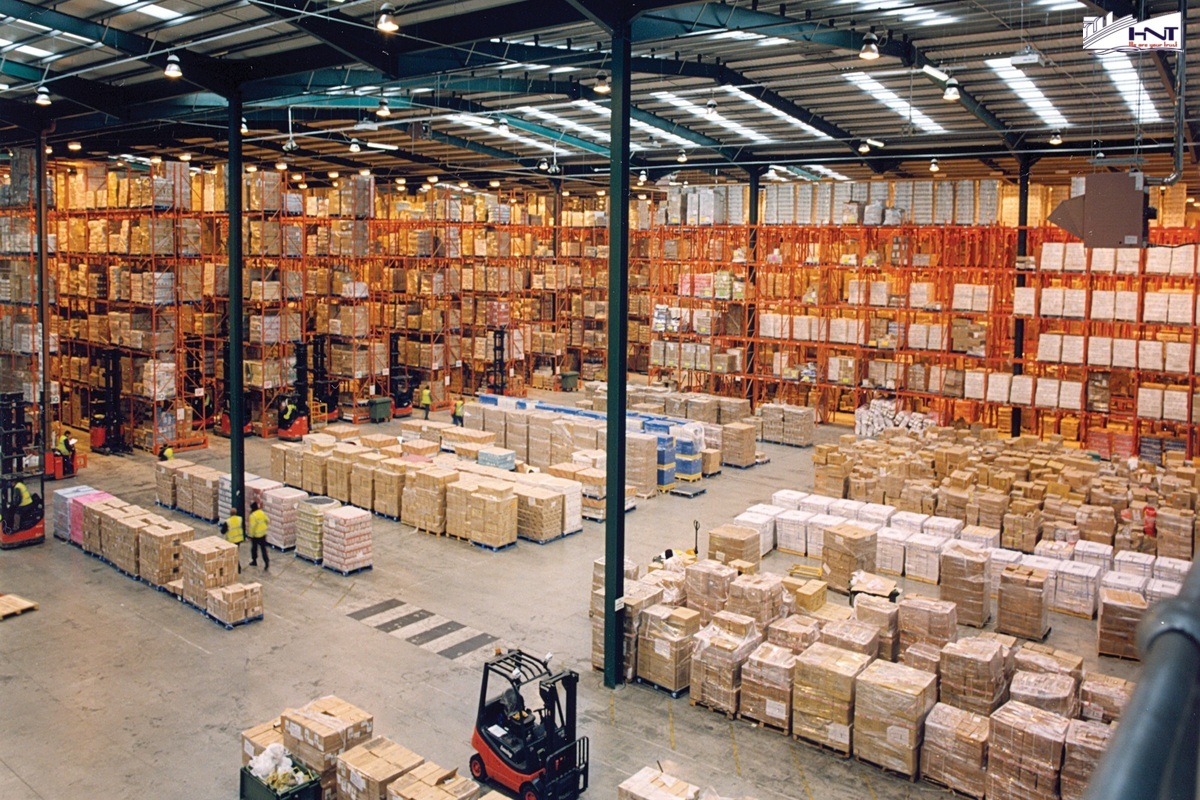
What are the steps for export customs procedures? What is the export customs procedure process? Prepare goods
Ensuring that export goods meet all quality and quantity standards as stated in the contract is a key factor in determining the success of the transaction. Besides that, packing goods carefully and scientifically also plays an equally important role. Sturdy packaging not only protects the product from damage during transportation but also contributes to creating a professional and impressive image of the business in the eyes of customers.
Strictly complying with quality and quantity standards according to the contract is not only an obligation of the business but also a factor that helps the product compete in the international market. At the same time, investing in a professional packing process not only ensures the safety of goods but is also an effective marketing tool, helping to increase brand value and create a difference from competitors.
What are the necessary documents for export and related to export? Prepare documents
Sales contracts and commercial invoices are two of the indispensable documents in export operations, together creating a comprehensive picture of international trade transactions. The contract, acting as a legal agreement between the seller and the buyer, clearly defines the terms, conditions, and obligations of each party.
Meanwhile, the commercial invoice provides detailed information about the traded goods, including quantity, unit price, total value, and delivery terms. The close combination of the contract and commercial invoice not only ensures transparency and clarity for both parties but also serves as an important basis for executing customs procedures and international payments.
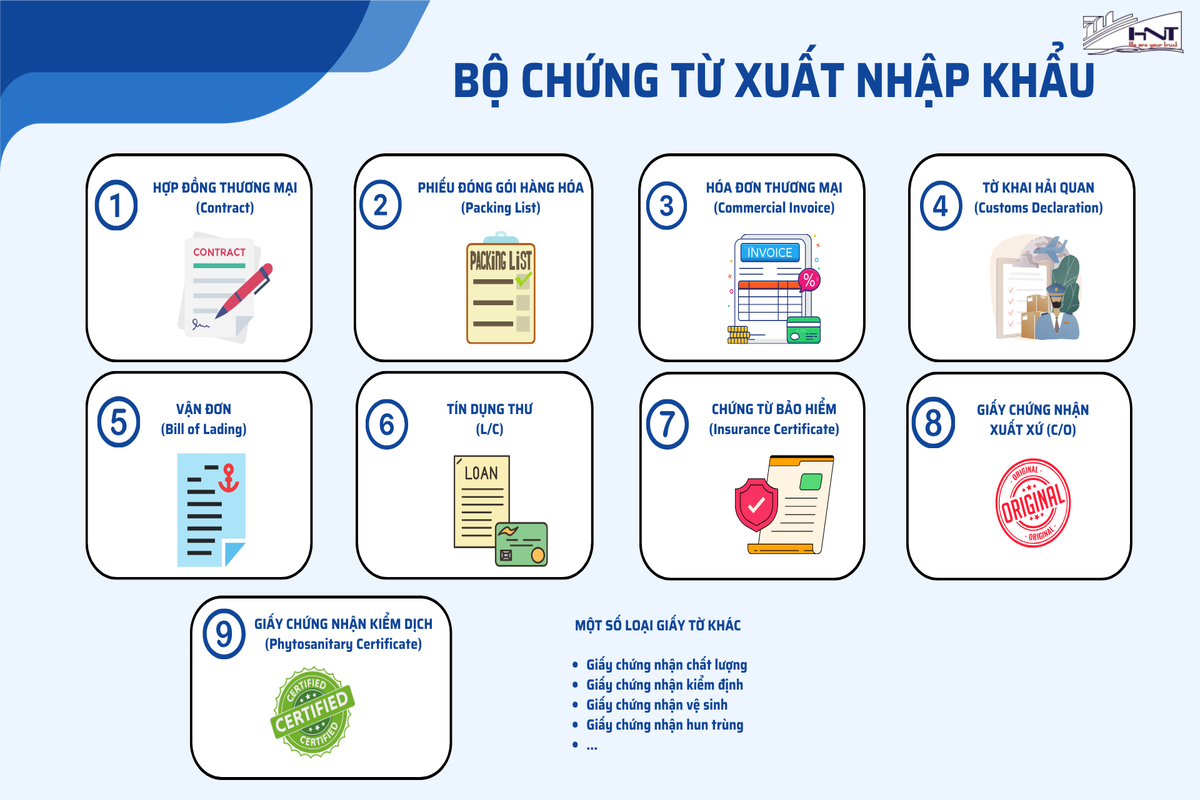
What are the necessary documents for export and related to export? Prepare documents
In addition, you also need to prepare a certificate of origin to confirm the origin of the goods, bills of lading to certify the transportation of goods, and finally other documents such as export licenses (if any), cargo insurance, etc.
Step 2: Customs declaration
Electronic customs declaration through the system VNACCS has significantly simplified the process of importing and exporting goods. After completing the preparation procedures, the declarant will access this system and enter complete and accurate information about the shipment, transport vehicles, and other requirements according to regulations.
The electronic customs declaration generated after completing the declaration process will be sent directly to the customs authority for inspection and processing. The application of information technology in customs procedures not only helps save time and costs but also improves management efficiency and makes the clearance process transparent.
Step 3: Inspect goods
Customs inspection
The stage of inspecting goods and documents is an indispensable step in the export goods clearance process. The customs authority will carefully compare the declared information on the customs declaration with accompanying documents such as contracts, invoices, and certificates of origin to ensure accuracy and legality.
Besides checking documents, depending on the type of goods and risk level, the customs authority may conduct a physical inspection of the goods to verify if the quality, quantity, and other characteristics match the declared information. Thereby, ensuring that export goods fully comply with legal regulations and international standards.
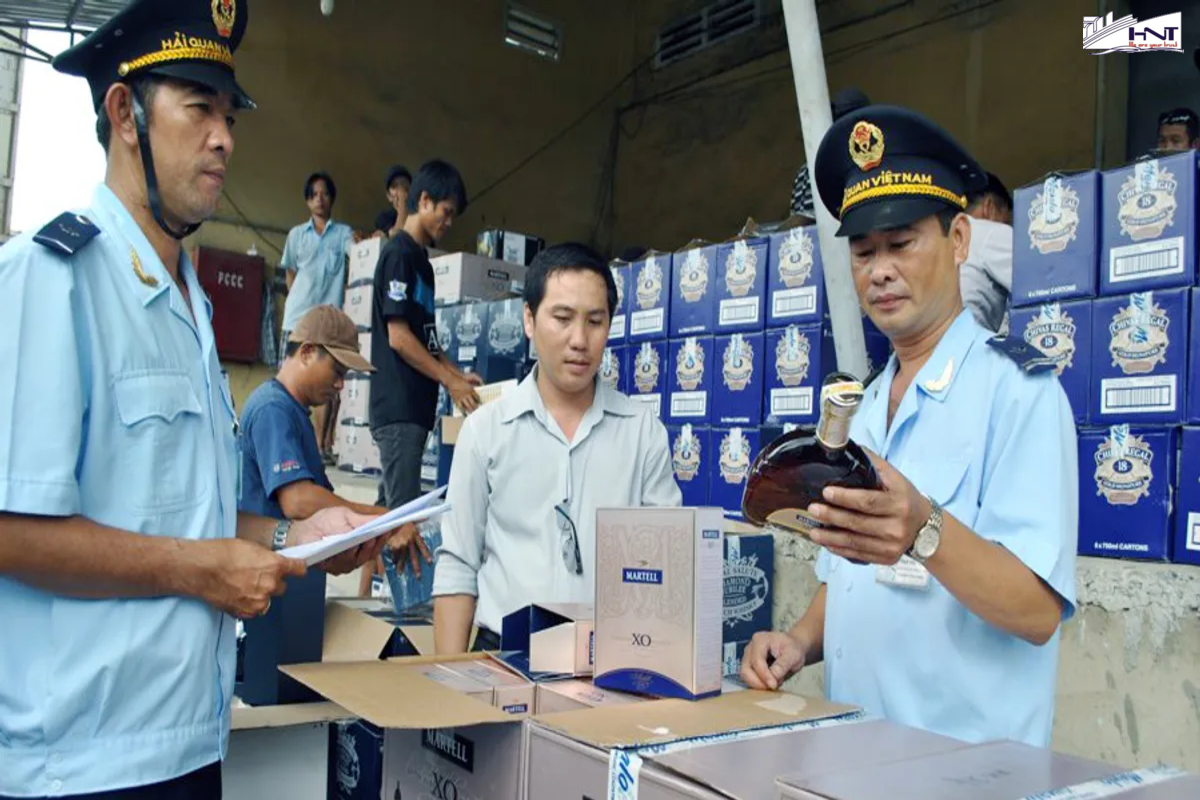
Customs inspection, inspection of documents related to import and export
Specialized inspection
For some special types of goods, quality and safety checks, etc., by specialized agencies are required.
Step 4: Pay taxes and fees
After completing the inspection process and determining accurate information about the shipment, the customs authority will calculate the tax amount and related fees that the business needs to pay. The basis for this calculation is based on the information declared on the customs declaration, the results of the physical inspection, and current regulations on customs tax.
The tax and fee amount to be paid will be notified to the business, and the business is responsible for paying this amount into the customs authority's account in accordance with regulations. Paying all taxes and fees in full is a prerequisite for goods to be cleared and exported.
Step 5: Goods clearance
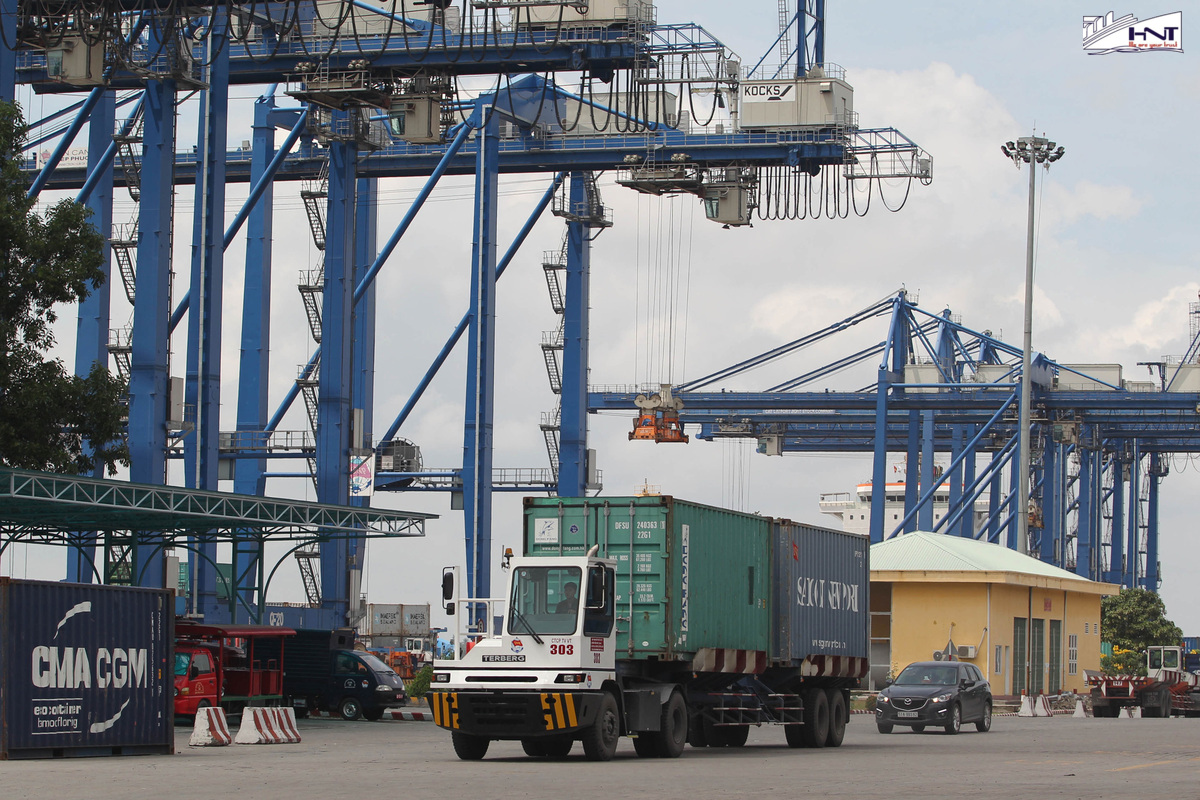
Goods clearance
After completing all customs procedures, including inspecting goods, documents, and paying taxes and fees, the business will officially receive the delivery order. This delivery order is a document confirming that the shipment has met all requirements of the customs authority and is permitted for export.
With the delivery order in hand, the business can proceed with procedures to transport the goods out of the port. The transport vehicle will be selected beforehand, depending on the characteristics of the goods and the destination. The transportation process will take place under the supervision of transport units and customs authorities to ensure the goods are transported safely and on schedule to the recipient.
Which unit's import and export entrustment service should be used?
If you are looking for a reputable unit to use import and export entrustment services, HNT is one of the great choices for you.
Import and export laws are always changing and complex. HNT Logistics with a team of experienced experts will help you solve all procedures quickly and accurately, minimizing the risk of breaking the law. When entrusting import and export work to HNT, businesses can focus on core business activities, improving production and business efficiency.
Contact HNT immediately via hotline 0981.655.880 (Mrs. Thi) and 0949.393.300 (Mrs. Đào) for more details about our services!
See more: What Is an Import-Export Document Set?