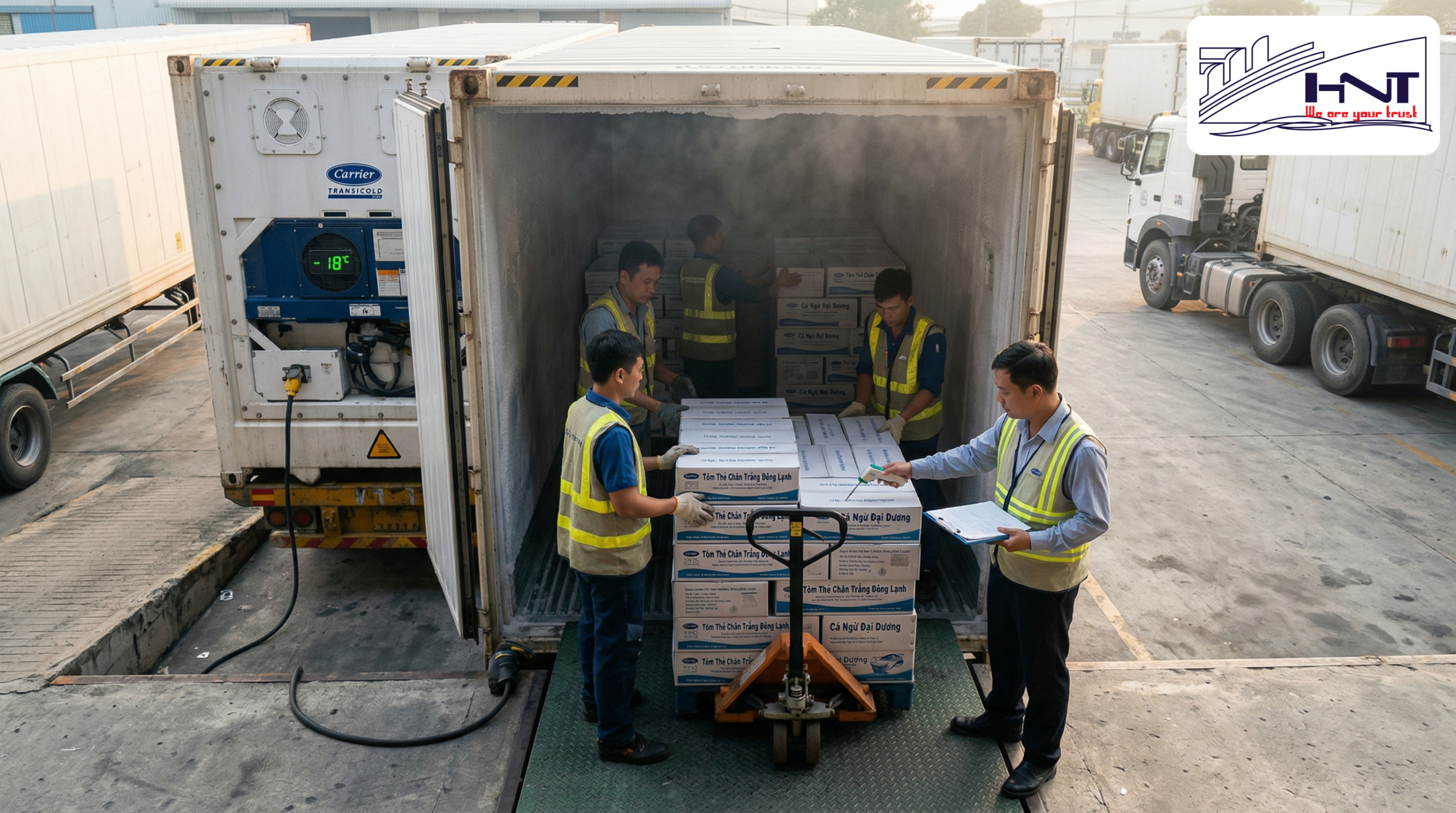
Finding a safe North-South cold chain transportation solution is a top priority for many businesses. When goods have strict temperature requirements, a small error can cause significant damage. Maintaining a continuous cold supply chain is a difficult challenge. According to a Business Association report, the spoilage rate of agricultural products due to poor transportation accounts for up to 20%. In 2026, Vietnam's cold logistics industry is expected to grow by 12%. This article will help you understand the process and criteria for choosing the most optimal service.
Overview of the North-South cold chain transport process
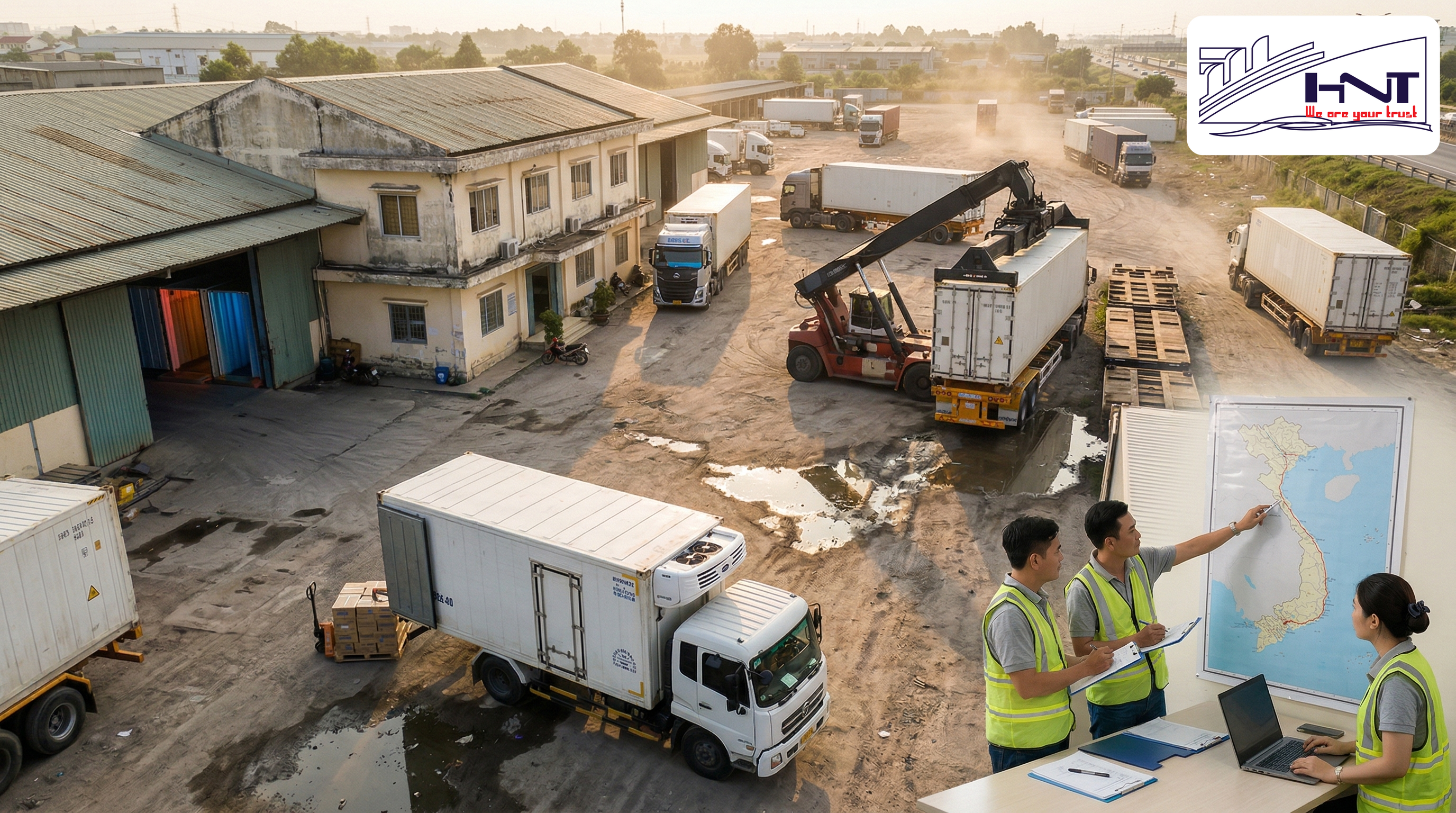
North-South cold chain transport services are not just about moving goods. It is a closed ecosystem that ensures temperature stability. You should consider additional comprehensive transport solutions to optimize the supply chain.
Specifics of cargo temperature control
Each type of product requires a completely different storage temperature range. Using a single temperature level for multiple types of goods is a common mistake. Modern North-South refrigerated trucks often have multiple separate temperature compartments.
- Frozen meat and fish: Continuous maintenance required at -18°C to -22°C.
- Fresh fruits and vegetables: Ideal temperature ranges from 2°C to 8°C.
- Dairy products: Need chilled storage at 4°C to 6°C.
- Pharmaceuticals and vaccines: Strictly comply with the 2°C to 8°C range.
- Fresh flowers: Usually require a stable temperature from 10°C to 15°C.
For example, Cuu Long Seafood Company in Can Tho once experienced an incident where a batch of pangasius was spoiled while being moved to Hanoi due to a cooling failure in the truck. After switching partners, the loss rate dropped to 0%. Similarly, Dalat Green Produce always requires dual-compartment trucks to carry strawberries and avocados simultaneously, saving 20% in costs.
The importance of total transit time
The longer the transportation time, the higher the risk to product quality. A detailed route plan helps drivers avoid traffic congestion. This is particularly important for items with a short shelf life.
HNT LOGISTICS recommends that businesses request a written commitment for delivery time. A one-day delay can reduce the commercial value of fresh fruit by 30%. Good time management is the key to protecting profits.
Criteria for choosing North-South cold chain transport services
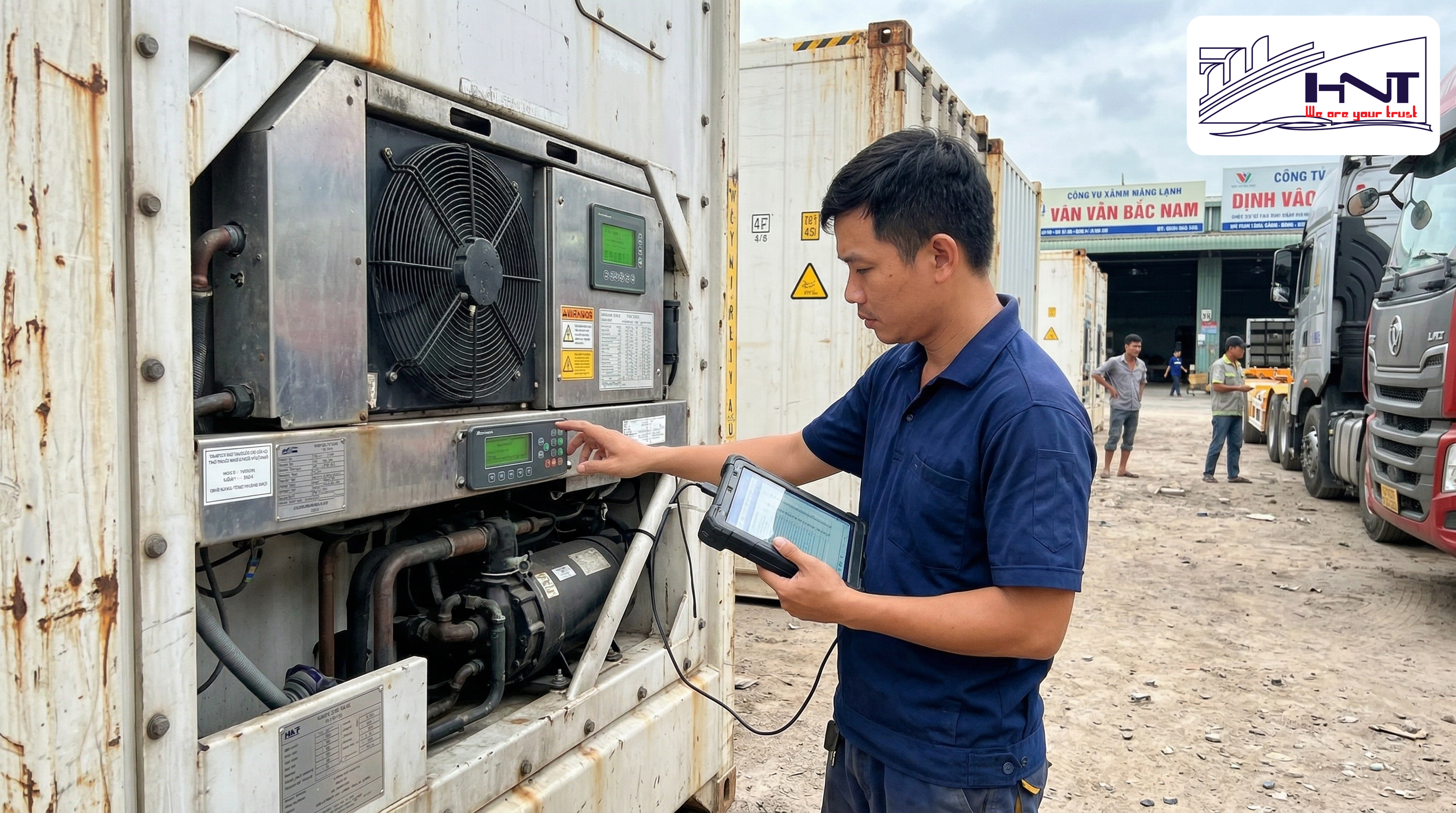
Not every North-South cold chain transport unit has the capacity to handle risks. Quickly handling export customs procedures also helps shorten waiting times. Careful evaluation helps you choose the right strategic partner.
Equipment capacity and cooling technology
The cooling system of the truck or container is the heart of the cold chain. The refrigeration unit must operate durably and have a backup power system. When looking for North-South shipping units, check their vehicle maintenance logs.
- Refrigerated truck age: Priority should be given to vehicles operating for less than 5 years.
- Refrigeration brands: Thermo King or Carrier are reliable choices.
- Temperature sensors: Must be calibrated periodically every 6 months.
- Insulation walls: Ensure standard thickness and no cracks or breaks.
- Cleaning process: Vehicles must be disinfected to meet food safety standards.
For example, Saigon Food (HCMC) always checks the truck's temperature chart before loading cold cuts. As a result, they avoid the risk of the compressor failing mid-route.
Similarly, MediBac Pharmaceutical (Hanoi) refuses to accept a vehicle if the automatic warning system is not functioning.
Real-time temperature monitoring systems
Modern GPS technology allows for tracking both the location and the temperature of the cargo hold. This data is transmitted to the operations center continuously 24/7. If the temperature deviates from the standard, the system will immediately issue an alert to the driver.
According to HNT LOGISTICS' experience, data transparency helps resolve compensation disputes quickly. Customers have the right to request a temperature chart extract after every trip. This is the strongest evidence of service quality.
Costs and notes for North-South cold chain transportation
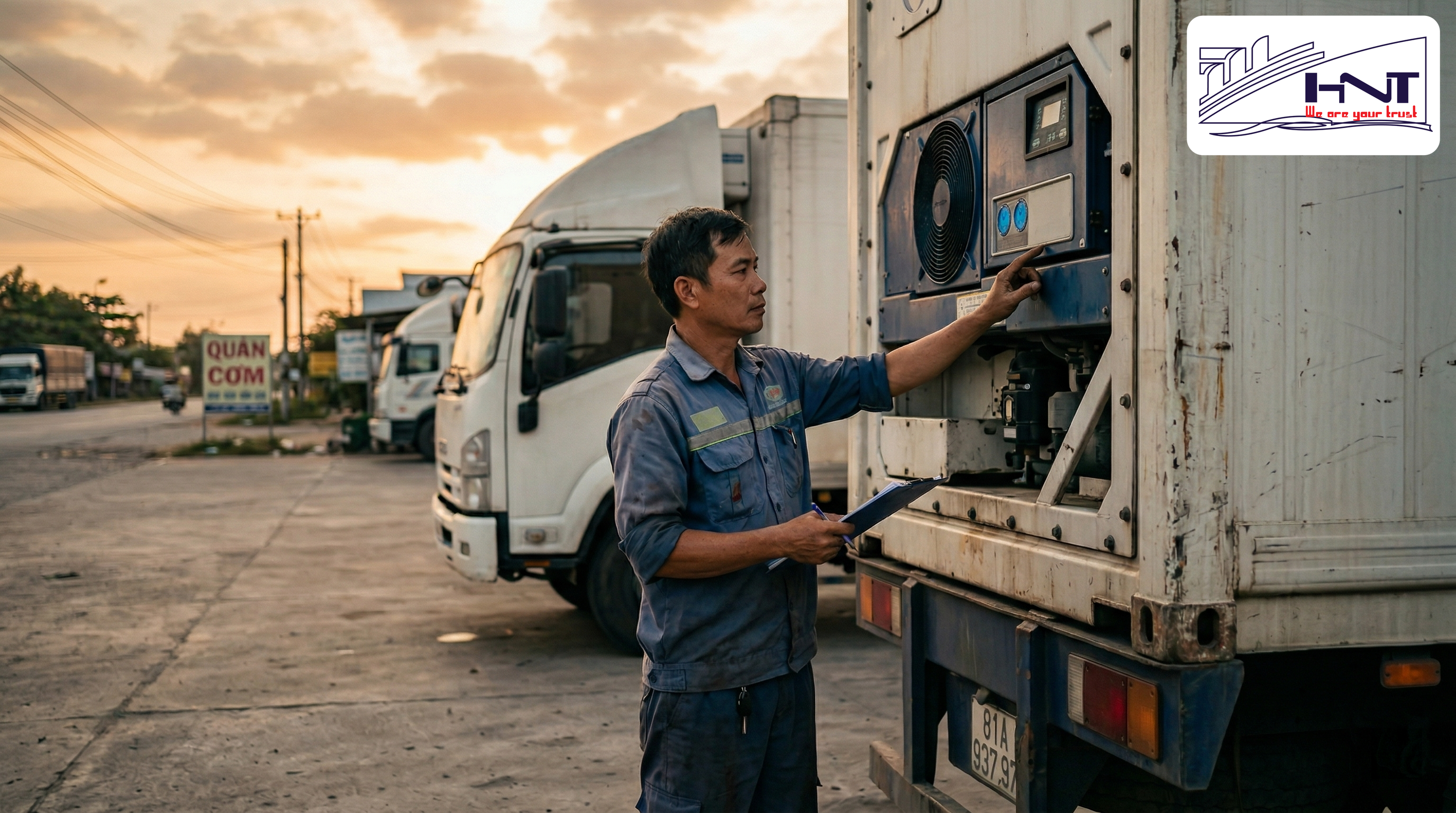
Cold chain shipping rates are always 30% to 50% higher than regular shipping. However, understanding the price structure will help you optimize costs effectively. Don't just look at the cheapest initial quote.
Core factors constituting costs
Many factors directly impact the final price list you receive. The deeper the required temperature, the greater the fuel consumption. Any North-South moving service calculates fees based on weight or volume.
| Commodity Type | Required Temperature | Cost Level (Estimated) | Loss Risk |
|---|---|---|---|
| Deep-frozen meat/seafood | -18°C to -22°C | Highest | Low |
| Imported fruits | 2°C to 8°C | Medium-high | Incabable |
| Dairy products | 2 – 4 weeks | Standard-compliant, inspected | Infrastructure |
| Chilled canned food | 10°C to 15°C | Lowest | Low |
For instance, Tien Giang Fruit Cooperative once chose a low-cost carrier that did not include loading/unloading wait fees. Ultimately, the total incurred costs were 20% higher. Meanwhile, Huong Viet Confectionery Company signed a long-term all-inclusive contract, helping to fix costs throughout the year.
Standardized packaging for frozen goods
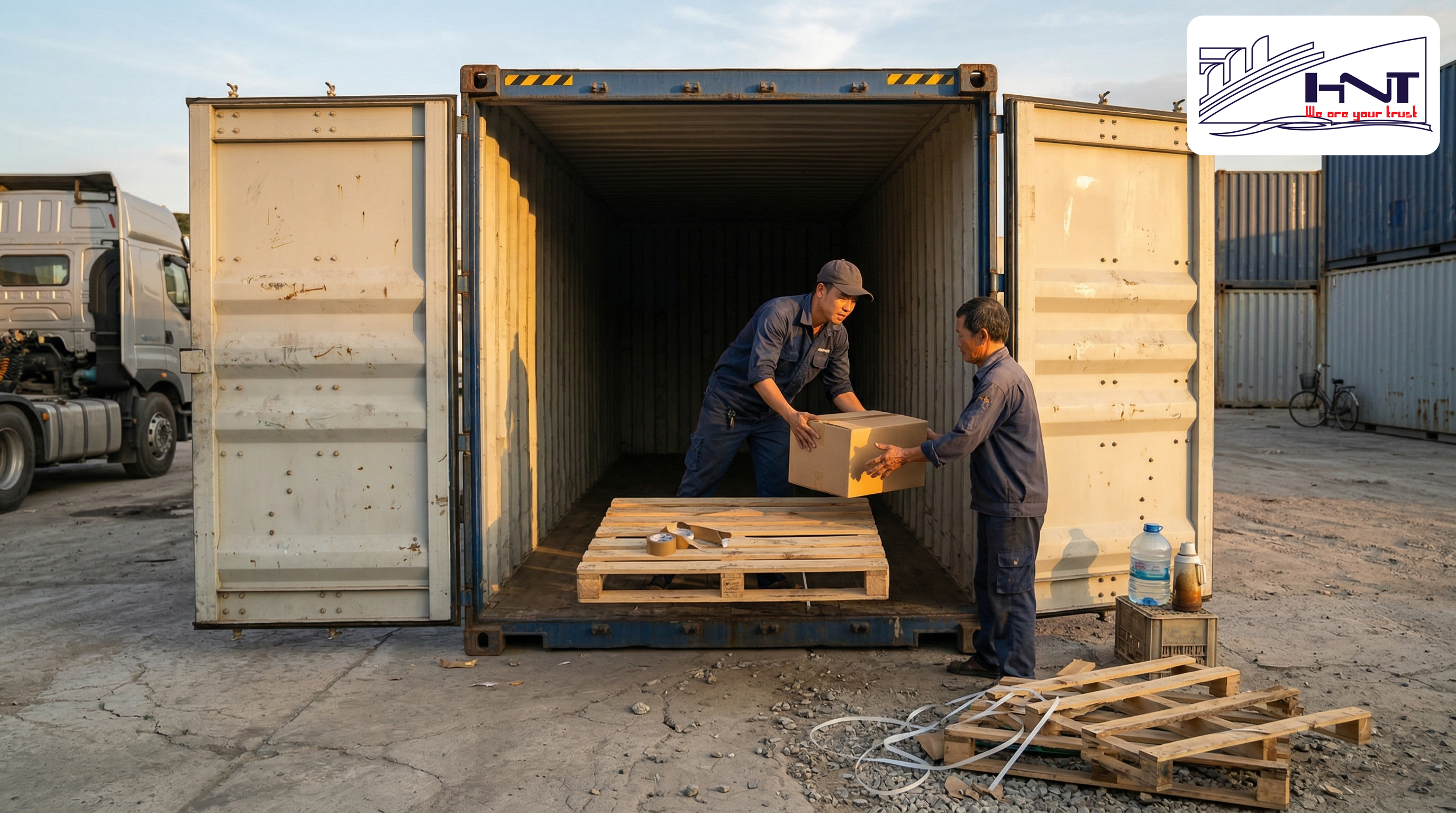
Correct packaging determines 50% of the trip's success. Packaging must withstand high humidity and not tear when cold. When moving goods North-South, loading operations must ensure even cold airflow.
- Waterproof cardboard boxes: Mandatory use of 5-7 layer types with moisture-proof coating.
- Cold-resistant tape: Use specialized tape that does not peel off at sub-zero temperatures.
- Plastic pallets: Prefer plastic pallets to avoid cross-contamination of bacteria from wood.
- Ventilation gaps: Always leave a 5cm gap between cargo boxes and the truck walls.
- Clear labeling: Note the required storage temperature on each package.
Goods need to be pre-cooled to the standard temperature before being loaded onto the truck. The truck's refrigeration unit only functions to maintain temperature; it cannot cool down hot goods. Please refer to domestic shipping services to plan the best collection schedule.
Conclusion
Effective management of North-South cold chain transportation is a vital factor for businesses to maintain a competitive advantage. A stable cold supply chain helps reduce degradation and increase customer trust. Always prioritize quality instead of just comparing shipping rates.
- Clearly understand the standard temperature range for each specific product.
- Request transport partners to provide refrigeration equipment maintenance logs.
- Pack according to standards and pre-cool goods before loading.
- Closely monitor total transit time and actual temperature charts.
- Choose reputable units with transparent and clear compensation commitment contracts.
With years of experience, HNT LOGISTICS is proud to be a trusted international transport and logistics partner for Vietnamese businesses. We are committed to providing comprehensive, safe, and most optimal delivery solutions for all types of goods.