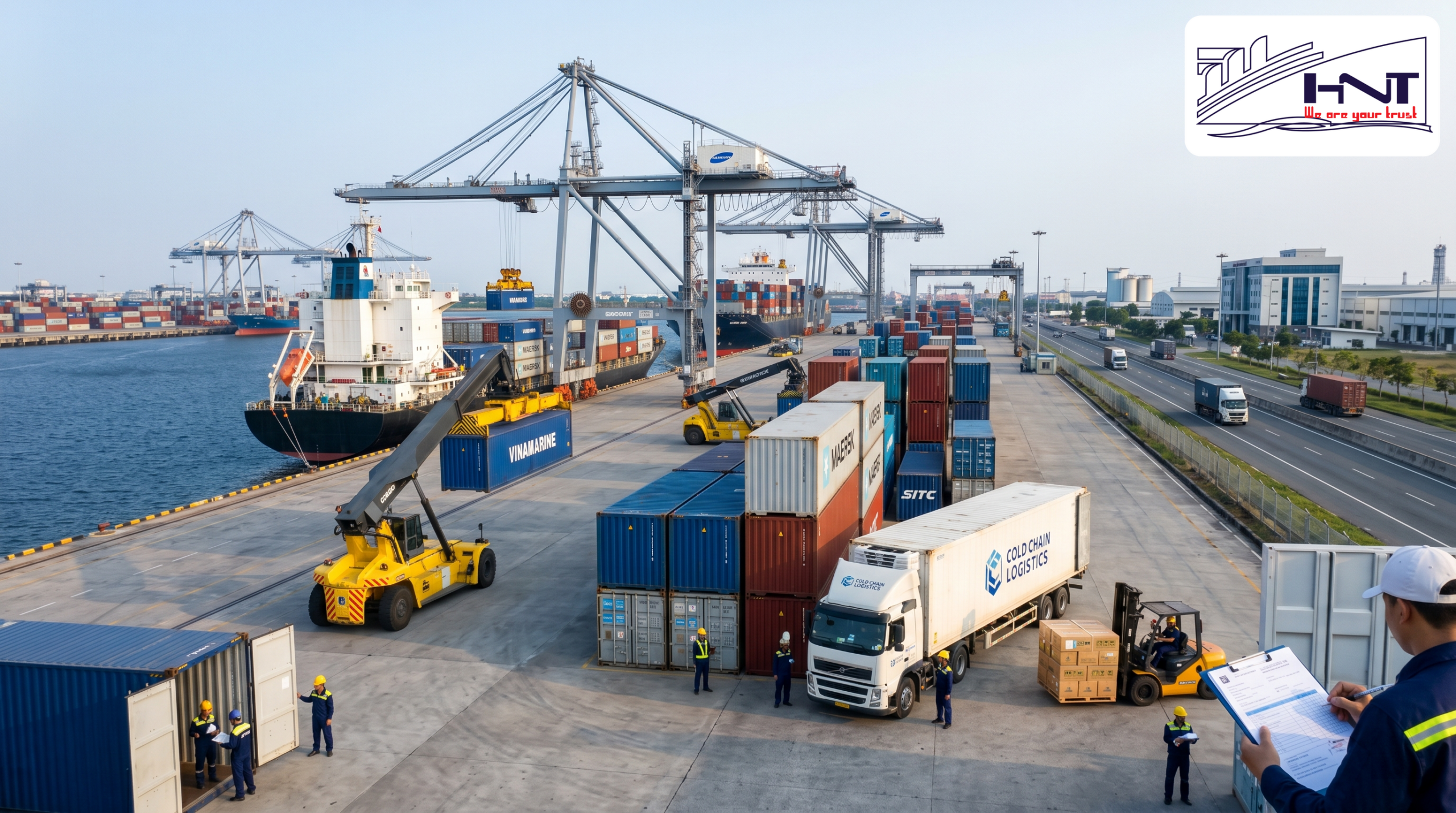
When negotiating export contracts, many Vietnamese businesses still confuse what is cif, FOB or DDP, leading to unexpected transportation, insurance costs and liabilities.
In the context of Vietnam's exports continuing to grow strongly, turnover seafood exports in 2026 has exceeded 11.3 billion USD according to VASEP. At the same time, many new customs regulations have been updated since 2026 to enhance management and digitize import-export procedures. This makes choosing the appropriate Incoterms more important than ever.
VASEP
+1
This article will help businesses clearly understand CIF, FOB, EXW, DAP and DDP, thereby choosing optimal delivery terms for each market, each type of goods and each logistics capacity.
What is CIF and the role of Incoterms in import-export
What is CIF?
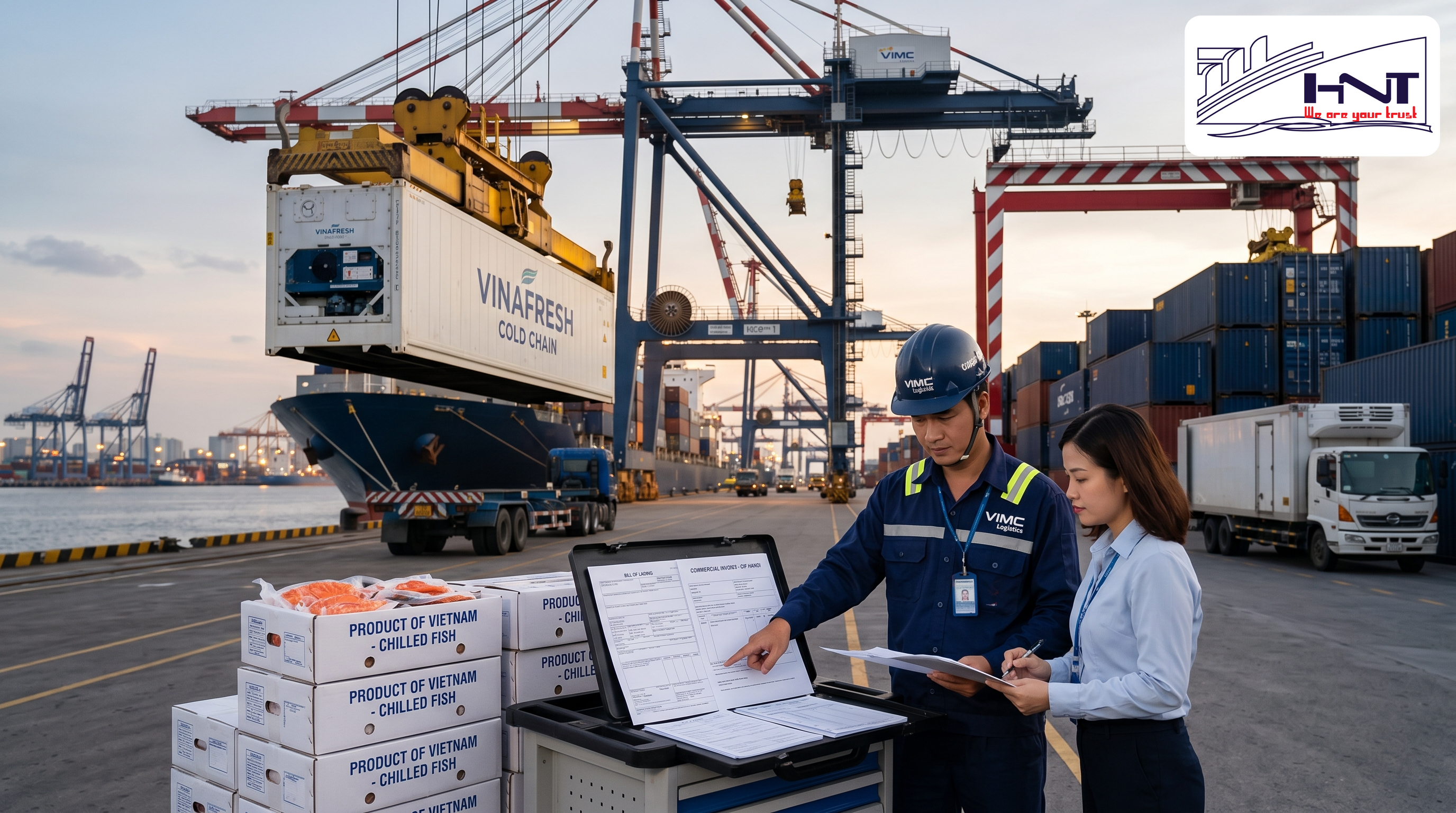
CIF (Cost, Insurance and Freight) is a delivery term where the seller bears the costs of the goods, insurance and freight to the port of destination. However, risk is transferred when the goods are loaded on board at the export port.
This condition is usually applied to sea freight. The buyer benefits because they do not have to find a shipping line or buy international insurance themselves.
Why do businesses need to understand Incoterms?
Incoterms clearly define the responsibilities between the seller and the buyer. They directly affect selling prices, logistics costs, insurance, customs declaration and risk handling.
- Reduce international trade disputes.
- Clarify the point of risk transfer.
- Better control of logistics costs.
- Favorable when purchasing cargo insurance.
- Support accurate export price formulation.
- Simplify the delivery process.
Current trends in Vietnam's exports
Seafood exports in 2026 reached over 11.3 billion USD. Major markets including China, the US and the EU continue to have high requirements for traceability, quarantine and supply chain transparency.
VnEconomy
+1
According to HNT LOGISTICS' experience, agricultural and seafood exporters should determine Incoterms right from the quotation stage to avoid incurring container detention, storage charges and freight adjustment fees.
| Condition | Charterer | Buy insurance | Point of risk transfer |
|---|---|---|---|
| CIF | Seller | Seller | On board |
| FOB | Buyer | Buyer | On board |
| EXW | Buyer | Buyer | At seller's warehouse |
| DAP | Seller | Agreement | Destination delivery point |
| DDP | Seller | Agreement | Destination delivery point |
Detailed differentiation between CIF, FOB, EXW, DAP, DDP
What is FOB?
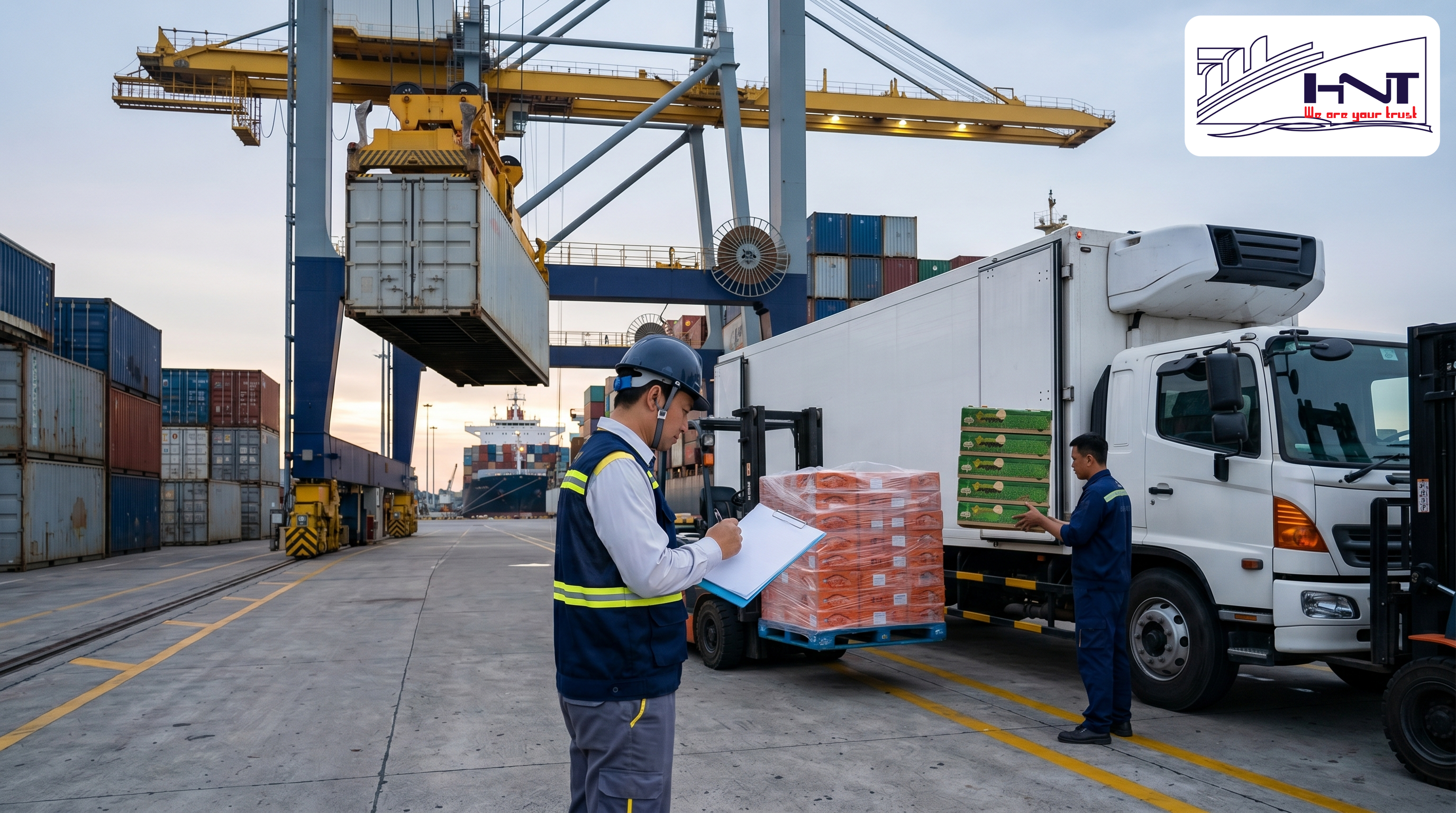
FOB (Free On Board) stipulates that the seller is responsible until the goods are loaded onto the ship. After that, all international transport costs belong to the buyer.
FOB is often suitable for importers with a strong logistics network.
What is EXW?
EXW (Ex Works) is a condition where the seller delivers goods at the factory or warehouse. The buyer bears almost all remaining responsibilities.
This is the condition that brings the lowest responsibility for the seller.
What is DAP?
DAP (Delivered At Place) requires the seller to deliver goods to a specified location in the importing country. The buyer bears import duties and customs clearance procedures.
What is DDP?
DDP (Delivered Duty Paid) is a condition where the seller bears maximum responsibility, including transport, customs clearance, and payment of import duties.
DDP is suitable for cross-border e-commerce or customers who want to receive goods as a complete package.
| Criteria | CIF | FOB | EXW | DAP/DDP |
|---|---|---|---|---|
| Transport control | Standard-compliant, inspected | Low | Very low | Infrastructure |
| Seller's costs | Standard-compliant, inspected | Low | Very low | Infrastructure |
| Convenient for the buyer | Infrastructure | Standard-compliant, inspected | Low | Incabable |
| Suitable for exporting agricultural products | Infrastructure | Infrastructure | Standard-compliant, inspected | Standard-compliant, inspected |
- CIF is suitable for businesses new to exporting.
- FOB is suitable for customers with their own shipping lines.
- EXW is suitable for intra-bloc transactions or large partners.
- DAP is favorable for door-to-door delivery.
- DDP is suitable for a full-package delivery model.
For example, Mekong Fruits Company in Tien Giang exporting durian to Shanghai using CIF helps customers buy goods more easily and reduces negotiation time.
A timber business in Binh Duong exporting to Los Angeles under FOB reduced international transport management costs because the buyer proactively chartered the ship.
How to choose the appropriate Incoterms condition
According to logistics capacity
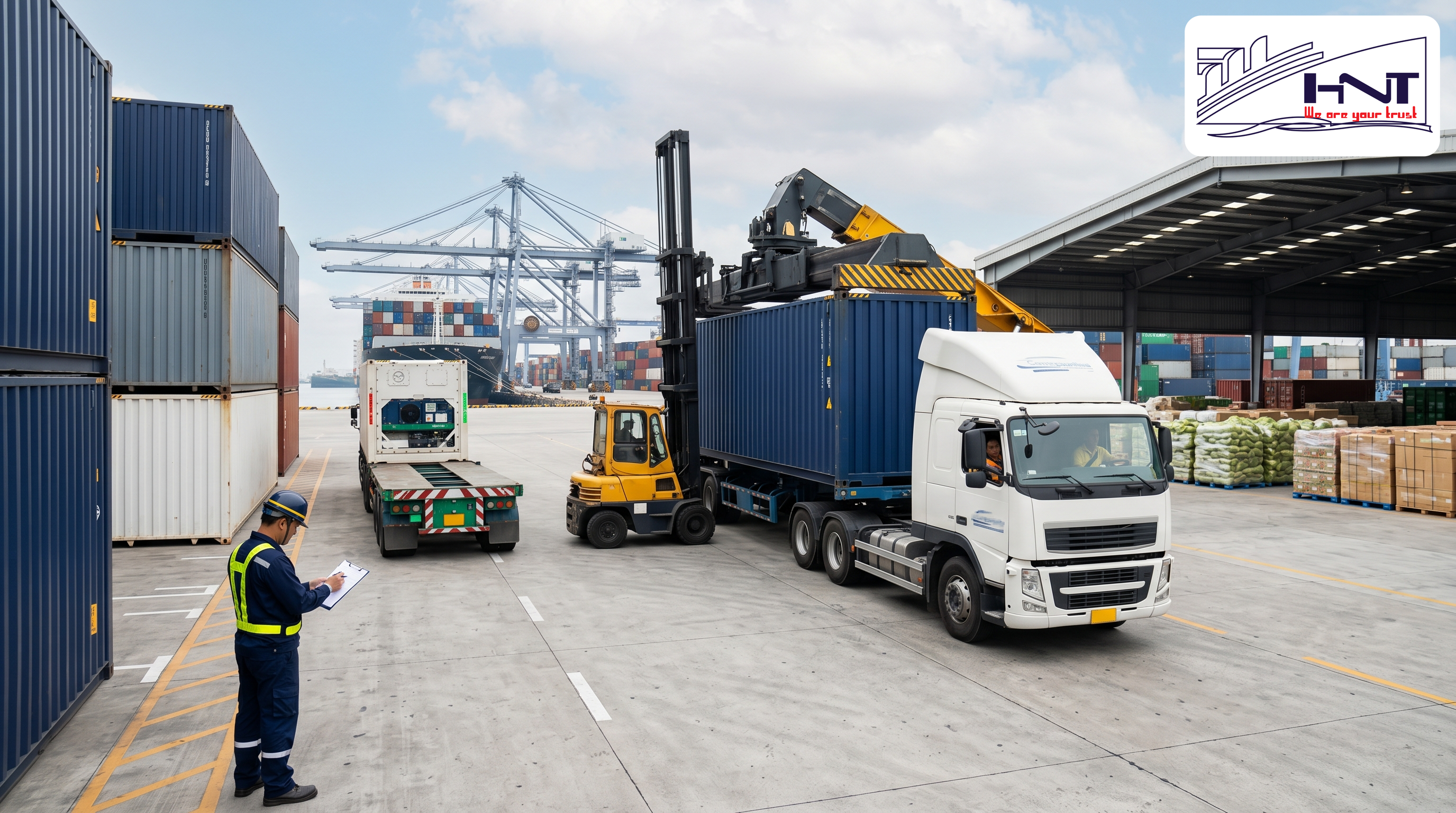
Businesses with a strong logistics department should consider CIF or DAP to increase service value. Conversely, businesses new to exporting can choose FOB.
According to the export market
The Chinese market often accepts CIF or FOB. Meanwhile, many e-commerce customers in Europe require DDP.
By type of goods
Cold chain goods, seafood, and fruits require strict temperature management. CIF or DAP conditions help sellers proactively control the cold chain.
Based on HNT LOGISTICS' experience, shipments of dragon fruit, durian, and frozen shrimp are often more efficient when the exporter controls the transport and refrigerated containers throughout the journey.
- Determine internal logistics capacity.
- Assess the reliability of partners.
- Compare international freight costs.
- Consider import quarantine requirements.
- Check the ability to purchase insurance.
- Analyze exchange rate and tax risks.
What is CIF and the common risks when applying it
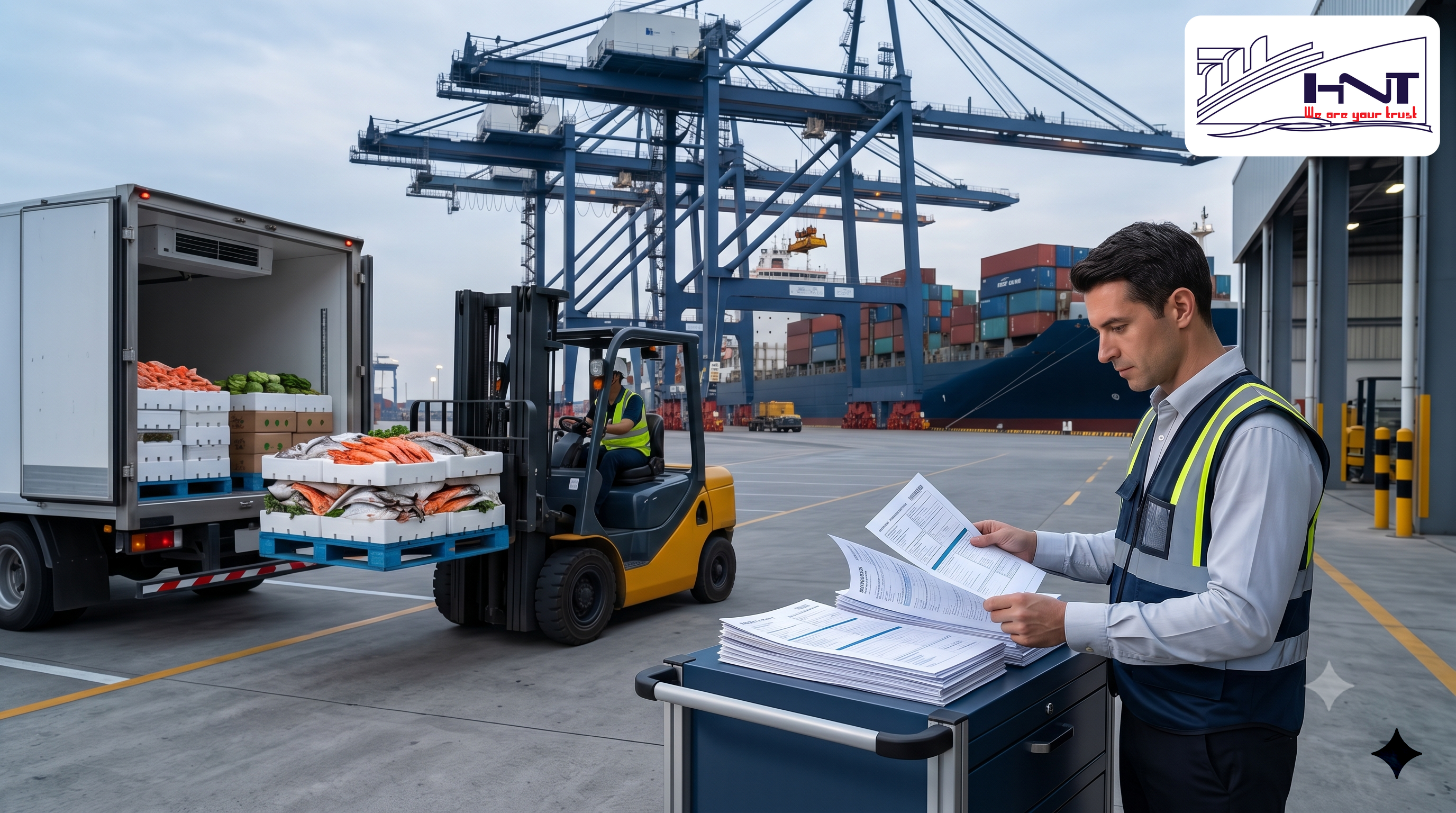
Misalignment of responsibilities between parties
Many businesses assume that CIF means the seller bears all risks until the destination port. This is a common misunderstanding.
In reality, the risk has transferred when the goods are loaded onto the ship.
Unexpected additional costs
THC, CIC, D&D surcharges or storage fees may arise if the contract does not specify clearly.
Documentation and insurance risks
Sellers need to carefully check the bill of lading, insurance certificate, and payment documentation set.
According to new updates on customs procedures, many regulations have been adjusted to increase transparency and digitize import-export records.
EY
+1
| Rủi ro | CIF | FOB | Measures |
|---|---|---|---|
| Insurance disputes | Infrastructure | Low | Clearly define the scope of insurance |
| Port surcharges | Standard-compliant, inspected | Standard-compliant, inspected | Finalize surcharges before signing the contract |
| Delayed documents | Infrastructure | Standard-compliant, inspected | Check the bill of lading before issuance |
| Import quarantine | Standard-compliant, inspected | Standard-compliant, inspected | Prepare complete documentation |
- Read Incoterms 2026 carefully.
- Check the scope of insurance.
- Clearly regulate surcharges.
- Confirm payment terms.
- Check import requirements.
- Full electronic document storage.
What is CIF in export practice and recommendations from HNT LOGISTICS
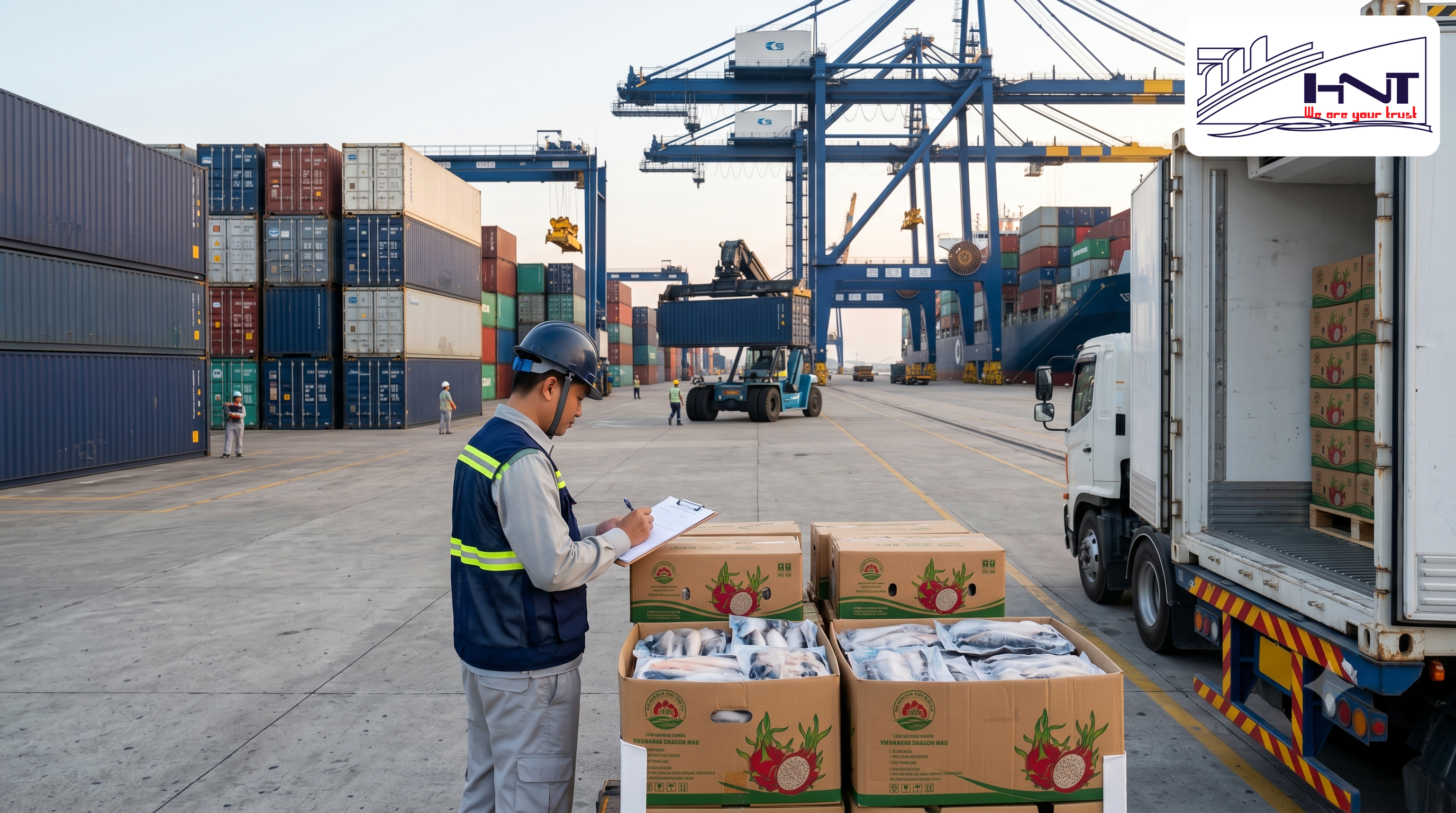
Case of agricultural product export
A business in Dak Lak exports coffee to Hamburg under CIF. By actively chartering vessels and purchasing insurance, the business reduced total logistics costs by 8% compared to the previous year.
Case of seafood export
A shrimp processing plant in Ca Mau transports refrigerated containers to Rotterdam under DAP. The on-time delivery rate reached 98% thanks to end-to-end cold chain control.
Incoterms selection checklist
- Define logistics control objectives.
- Evaluate customer requirements.
- Compare costs between terms.
- Check tax and insurance obligations.
- Confirm customs clearance responsibilities.
- Consult professional logistics units.
According to experts at HNT LOGISTICS, businesses exporting agricultural products, fresh fruits, and seafood should prioritize terms that help control the supply chain, especially in the context of ocean freight rates and vessel schedules still fluctuating on each international route.
Reddit
+1
what is cif is not just an Incoterm concept. This is the foundation for businesses to manage costs, risks, and responsibilities in international trade.
- Clearly understand the point of risk transfer.
- Compare responsibilities between CIF, FOB, EXW, DAP, and DDP.
- Select the appropriate terms for each market.
- Better control of logistics costs.
- Limit trade disputes.
- Optimize supply chain efficiency.
If your business needs consultation on sea freight routes to the US, tiêu chuẩn kích thước container lạnh hoặc dịch vụ khai báo hải quan xuất khẩu, HNT LOGISTICS sẵn sàng đồng hành với giải pháp logistics chuyên nghiệp cho doanh nghiệp Việt Nam. Liên hệ ngay qua địa chỉ 8A Hoàng Minh Giám, TP.HCM hoặc email marketing tại hntshipping.com để được hỗ trợ báo giá!