


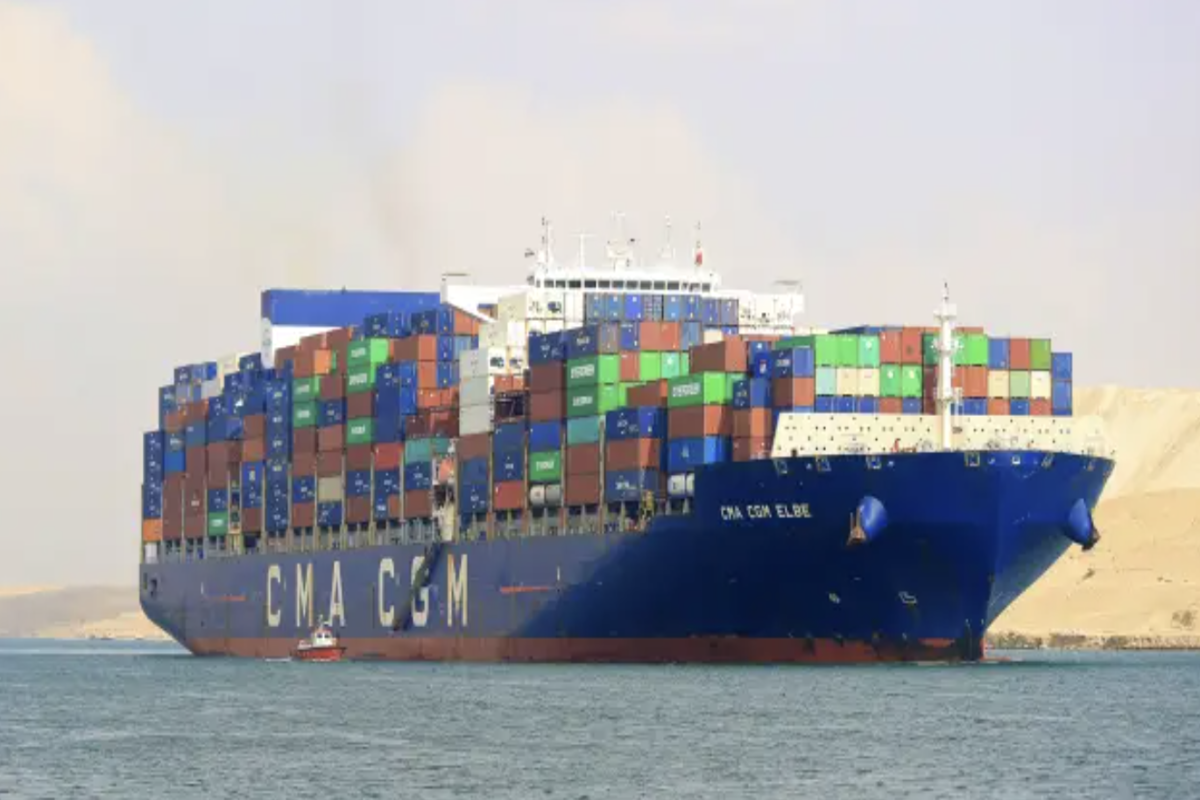
Foreign sea freight tax is one of the important factors affecting the cost of importing goods. So, what is the price of foreign sea freight tax? What are the criteria that affect foreign sea freight tax? Let's find out!
What is foreign sea freight tax?
Foreign sea freight tax is a type of tax applied to activities of transporting goods by sea by foreign shipping companies doing business at Vietnamese seaports. Simply put, this is the tax that transport businesses must pay to the State when providing goods transport services by sea into or out of Vietnam. Specifically:
- Taxable subjects: Foreign organizations and individuals that have business activities of transporting goods by sea from Vietnamese seaports to abroad or between Vietnamese seaports.
- Tax basis: Total freight charges for transporting goods from the Vietnamese loading port to the final port of unloading.
- Purpose: To collect for the state budget, regulate maritime transport activities, and protect the interests of domestic transport businesses.
Distinguishing from other taxes related to maritime transport
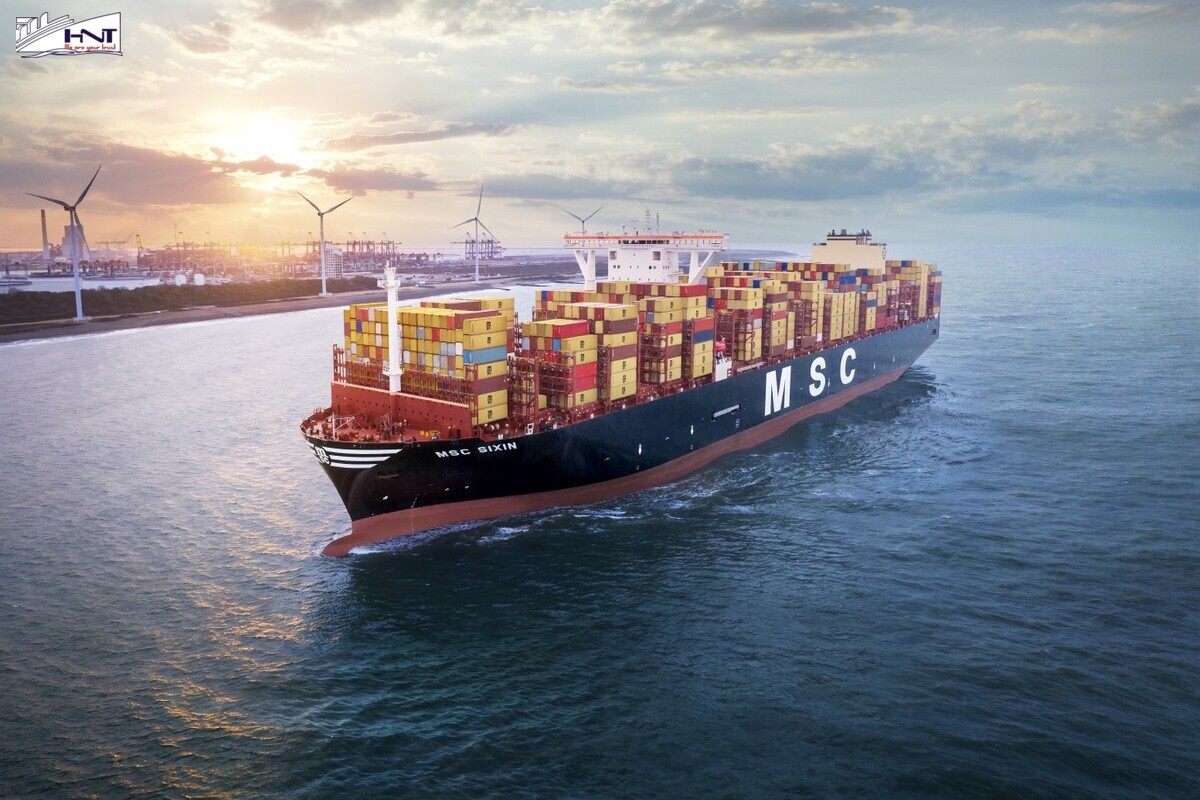
Distinguishing from other taxes related to maritime transport
Besides foreign sea freight tax, there are several other types of taxes related to maritime transport activities such as:
- Value Added Tax (VAT): Applied to most types of goods and services, including transport services. VAT is calculated on the added value of goods and services.
- Import tax: Applied to goods imported into Vietnam, including transport fees.
- Export tax: Applied to goods exported from Vietnam.
- Corporate income tax: Applied to the profits of transport businesses.
Role and significance of sea freight tax
Sea freight tax, especially foreign sea freight tax, plays an important role in a country's tax system. This type of tax not only provides revenue for the state budget but also has a profound impact on many other aspects of the economy. Specifically:
Contribution to the state budget
Sea freight tax is one of the significant sources of revenue for the state budget, especially for countries with active import and export activities. This source of revenue helps the state have more capital to invest in various fields such as building infrastructure and socio-economic development.
Impact on maritime transport business activities
Sea freight tax acts as a tool for the state to regulate the activities of maritime transport businesses, ensuring healthy competition and preventing unfair competitive practices.
Changing tax rates or regulations related to sea freight tax can affect the investment and business expansion decisions of transport businesses.
The State can use tax policies to encourage the development of domestic transport businesses and improve the competitiveness of the maritime transport industry.
Impact on the price of imported and exported goods
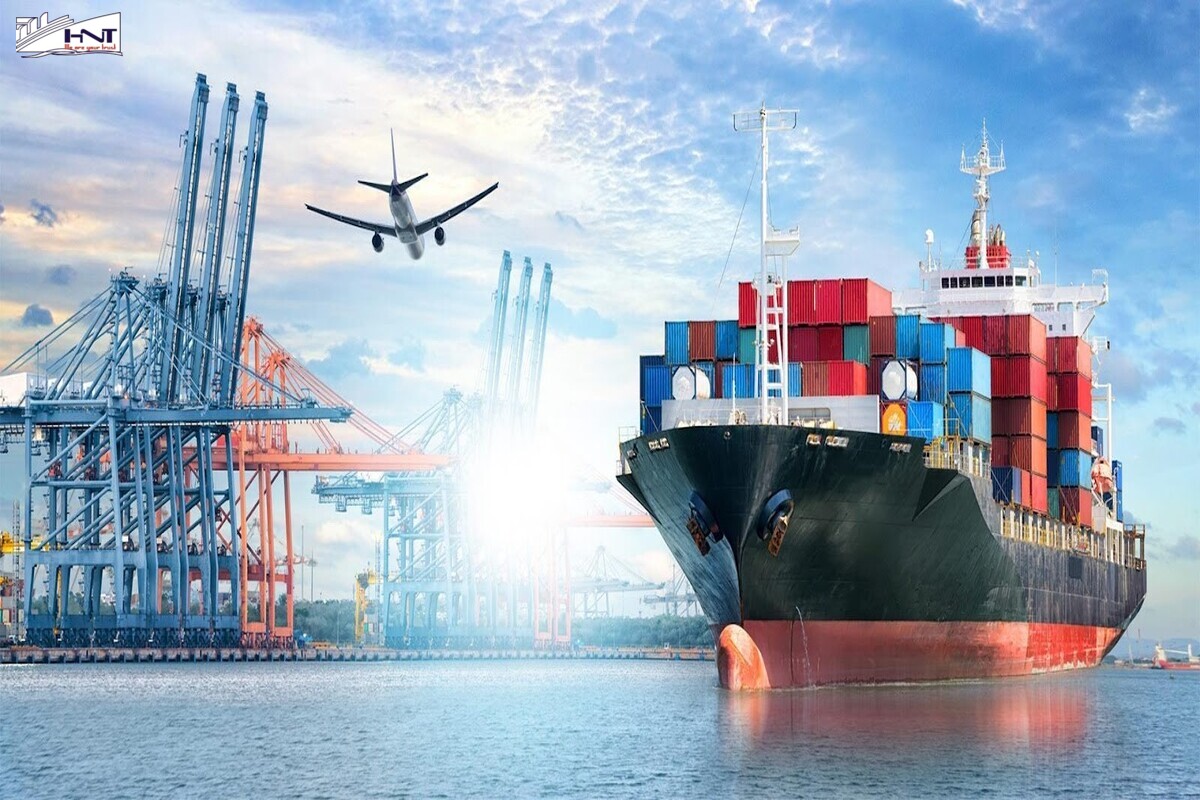
Impact on the price of imported and exported goods
Sea freight tax is a part of the total cost of transporting goods. When taxes increase, transport costs also increase, which directly affects the cost of imported and exported products. Changes in sea freight tax can change the competitive position of domestic manufacturing and exporting businesses compared to foreign competitors.
In some cases, an increase in sea freight tax can contribute to increasing production costs and driving up the prices of goods, putting pressure on inflation.
What is the price of foreign sea freight tax? What are the factors affecting the price of foreign sea freight tax?
What is the price of foreign sea freight tax and what are the factors affecting the price of foreign sea freight tax are questions that many people are interested in.
Foreign sea freight tax does not have a fixed rate but depends on many different factors. Determining the exact tax rate to be paid for a specific shipment will require detailed calculations based on specific information about that shipment. Below are some main criteria that affect this tax rate:
Type of sea vessel
- Container ship: Specializes in transporting goods packed in containers, usually with different tax rates depending on the container size and type of goods.
- Bulk ship: Specializes in transporting bulk goods such as coal, ore, grain, etc., usually with different tax rates compared to container ships.
- Specialized ship: Used to transport special types of goods such as cars, machinery, etc., also has its own tax rate.
Country of origin and destination
The specific country of origin and destination are:
- Trade agreements: Countries that have signed free trade agreements often have more preferential tax rates.
- Shipping distance: The longer the distance, the higher the shipping cost, which may lead to higher tax rates.
- Tax policies of each country: Each country has its own tax policy, directly affecting the tax amount payable.
Type of goods transported
- Dangerous goods: Dangerous, flammable, explosive, and toxic goods are often subject to higher tax rates due to safety and environmental protection requirements.
- Special goods: Goods with high value, fragile items, or goods requiring special transport conditions may also be subject to higher tax rates.
- Imported goods: Goods imported into a country are usually subject to import duties and may also be subject to additional sea freight taxes.
Weight and dimensions of goods
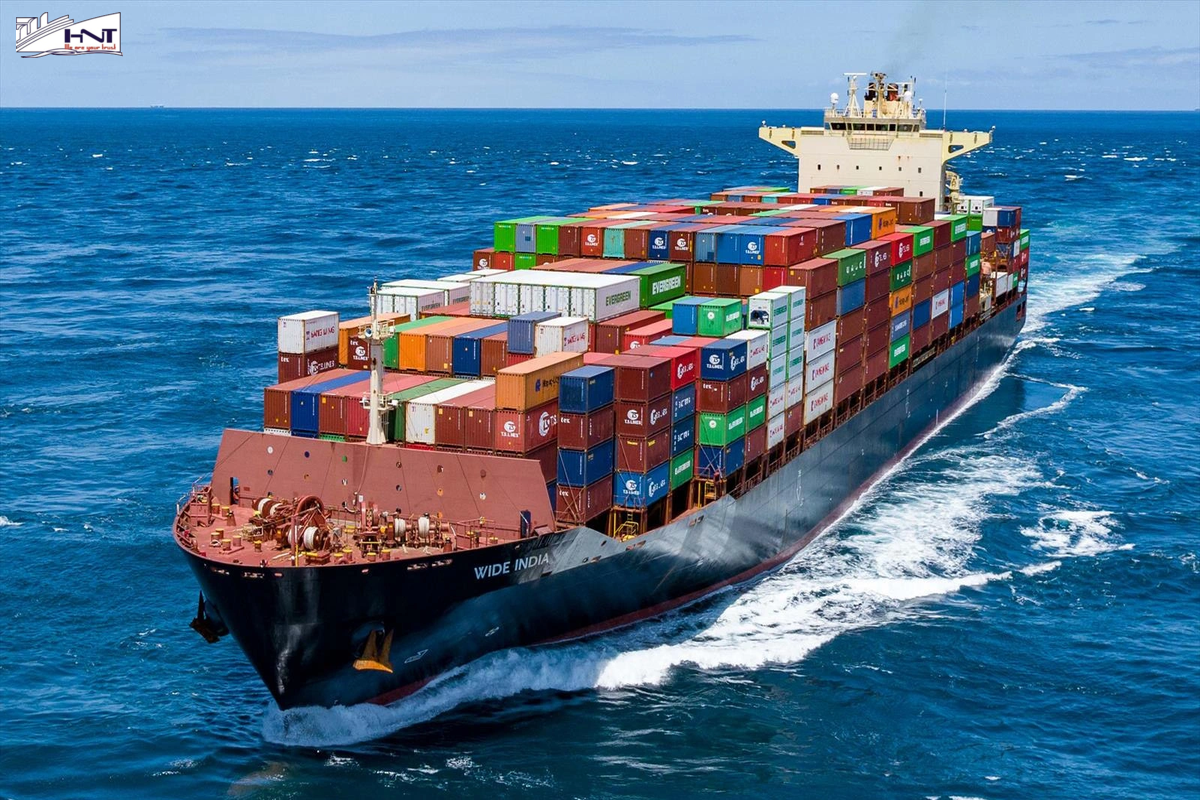
Foreign sea freight tax rates are affected by the weight and size of goods
- Cargo weight: The larger the quantity of goods, the higher the shipping cost, which also increases the tax rate.
- Cargo size: Oversized or overloaded goods will incur additional fees, increasing the total cost.
Shipping time
- Seasonality: During peak seasons, transportation demand increases, and freight rates and taxes may rise.
- Special events: Special events such as natural disasters, epidemics, and conflicts can cause major fluctuations in freight rates and taxes.
Other factors
- Shipping line policy: Each shipping line has its own freight rate and tax policy.
- Market conditions: Supply and demand in the transportation market also affect freight rates and taxes.
- Phí phụ trội: Có thể có các loại phí phụ trội như phí nhiên liệu, phí an ninh, phí xử lý hàng hóa đặc biệt,… làm tăng thêm chi phí.
How to determine the specific tax rate
To know the exact tax amount payable for a shipment, you need to:
- Refer to the transport invoice: The invoice will clearly state information about the goods, route, freight charges, and taxes payable.
- Review the transport contract: The contract will clearly specify terms on freight rates, payment methods, and taxes.
- Contact the shipping line or logistics company: They will provide you with a detailed quotation, including the tax portion.
- Consult customs authorities: Customs authorities will advise you on current regulations and how to calculate taxes.
Which unit should you use for transportation services?
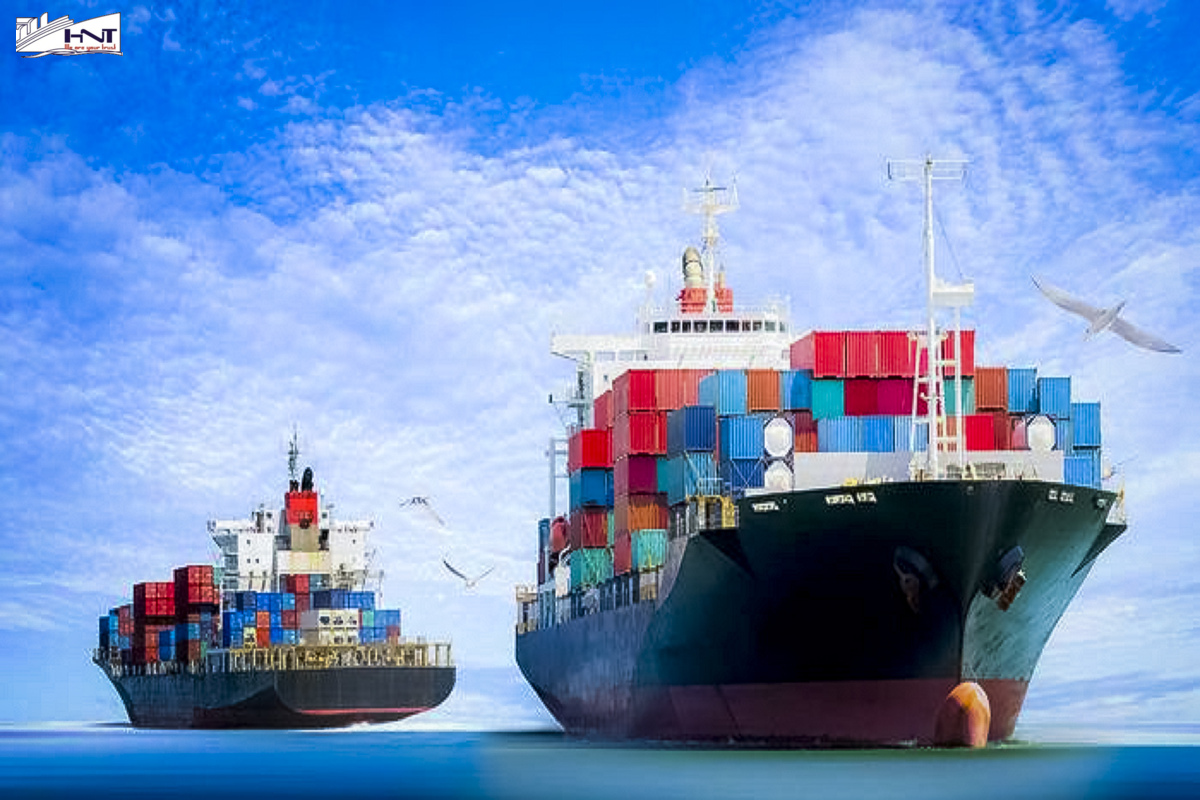
HNT is one of the transportation enterprises in Vietnam with many years of experience in this field and is trusted by many customers
If you are looking for a reputable unit to transport goods, container, vận chuyển trái cây….cho mình thì HNT chính là một trong những lựa chọn tuyệt vời dành cho bạn.
HNT is one of the transportation enterprises in Vietnam with many years of experience in this field and is trusted by many customers. Its professional and experienced staff are always ready to support customers.
Contact now with HNT to learn more detailed information about our transportation services!
See more: Top 5 Export Fruits of Vietnam