

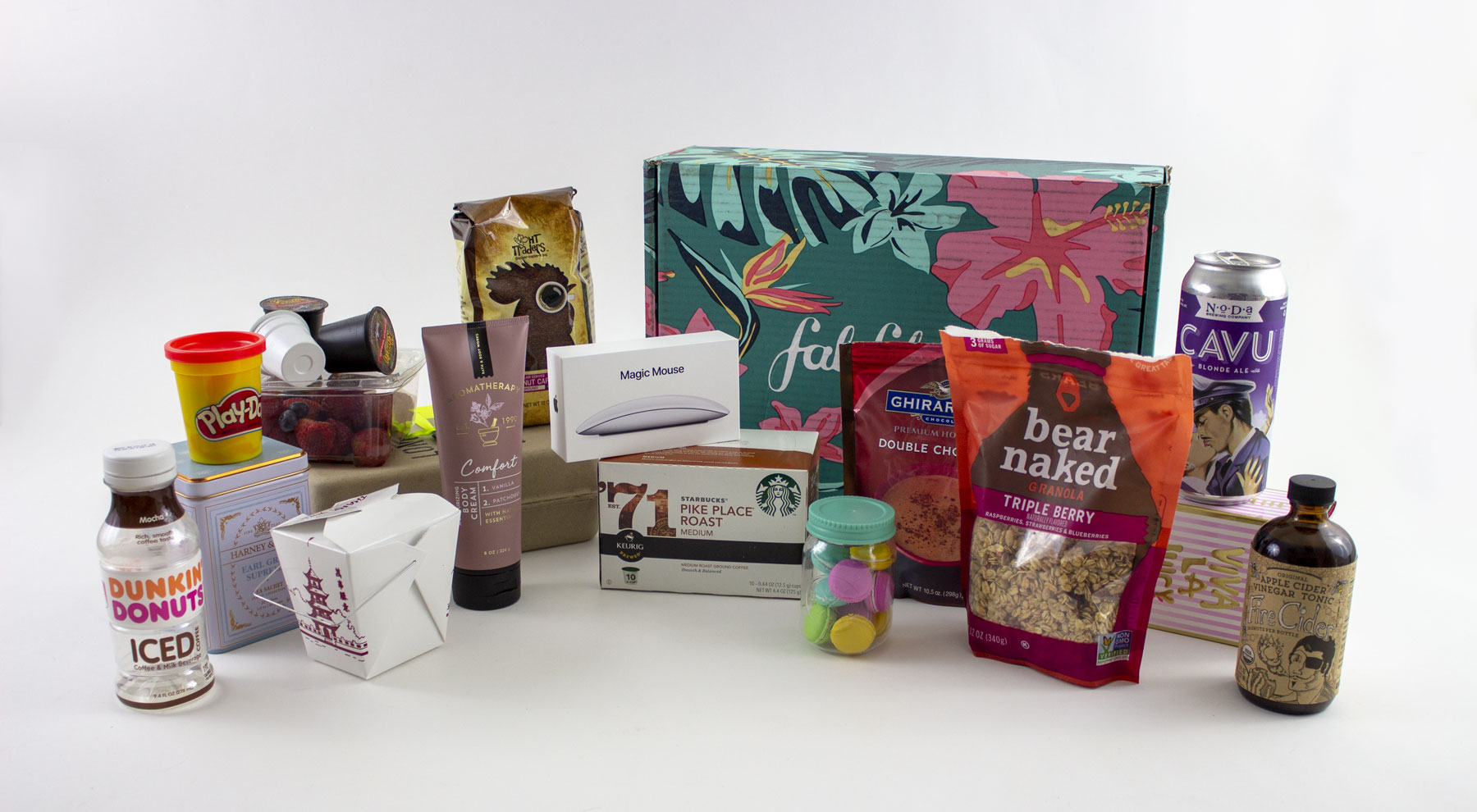
Nowadays, product packaging is not just for presenting, describing, or advertising products, or merely for preserving food and containing products; it also acts as a marketing tool for the product. So, what is product packaging, what functions does it have, or how are goods packaged? Let's find out in the article below.
What is product packaging?
Product packaging is a product used to wrap or contain a certain type of goods, aiming to protect the value of the goods or protect them from external impacts, making them easier to transport. Additionally, packaging helps preserve the product and provides necessary information to customers.
If product packaging is designed to be eye-catching and suitable for the business's product, it will play an extremely important role in reaching customers and boosting sales.

Functions of product packaging
Containing, preserving, and protecting goods during circulation
In a market economy, products are not produced just for consumption but must be exchanged and circulated. Therefore, packaging is a prerequisite for transporting and preserving items from one place to another. Most products produced must have some form of packaging, wrapping, and containment. Except for products in the extraction industry mineral, basic construction industry.
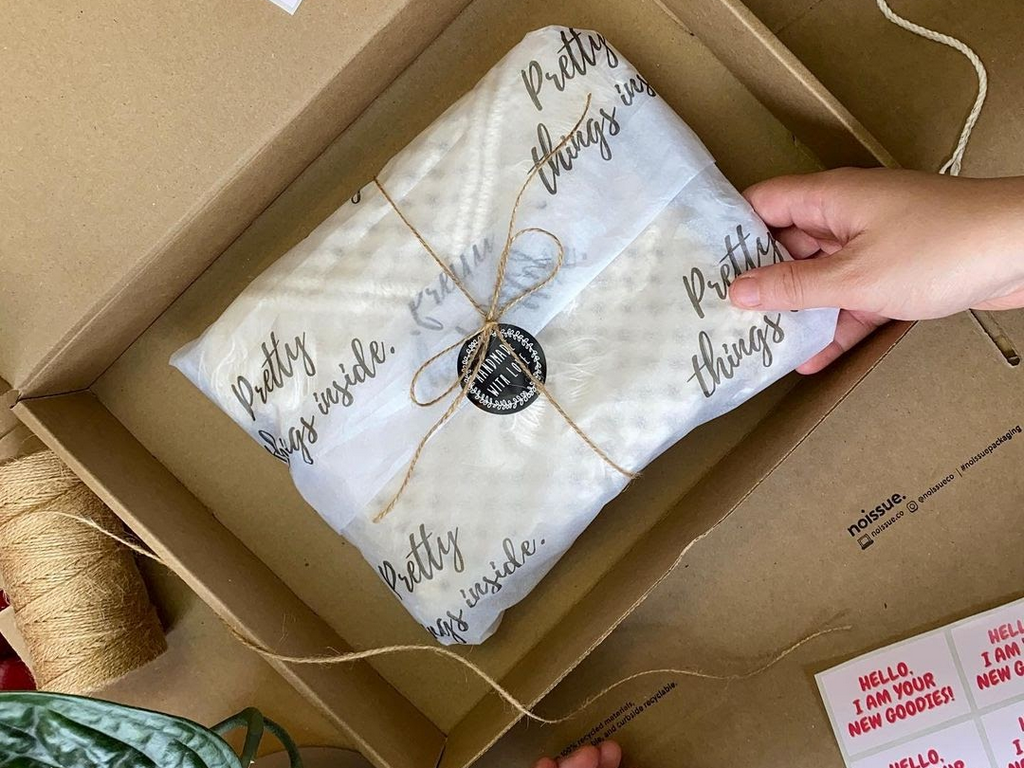
Packaging protects goods against harmful environmental effects and other impacts during storage, transport, loading, unloading, and consumption.
Moreover, packaging also prevents goods from being lost or degraded in quantity and quality during storage, distribution, circulation, and also loss caused by humans. Packaging prevents the effects of climate and weather such as temperature, humidity, animals, etc., from reducing the quantity, quality, and utility value of the goods contained within.
Information, advertising, and facilitating product circulation
Consumers, through the external appearance of the packaging such as shape, printing methods, and brand decoration, can recognize and distinguish one product from another; the products of one business from another, helping customers easily choose the right product they require.

Information on packaging, besides necessary information for identifying products such as food, utensils, etc., also includes information regarding legal requirements and information for users. For example, instructions on storage conditions, installation, transport, usage, best-before dates of the product; numbers, codes of the package, preventive conditions (avoid sun, rain, fragile, etc.); information on quantity and quality helps customers quantify their benefits when deciding to purchase.
Rationalizing and creating favorable conditions for transporting and loading goods
Packing goods into units suitable for transporting, loading, unloading, using goods, and using packaging (unwrapping, opening). That is, packaging will consolidate goods into consumption units, sales units, and transport units that are reasonable for each condition of consumption, distribution, and circulation.

Commercial function
This function is expressed through content regarding the ability to advertise, attract, stimulate, aesthetics, rationalization, and the convenience of the packaging. Full, vivid, clear, concise, and easy-to-remember information on the packaging will attract buyers more, creating interest, attention, and promotion of the product.
Forms of packaging products and goods
- Unit packaging: This packing method corresponds to the purchase units of end consumers. Packaging must be suitable for goods and food, used for a long time, and have a barcode attached for payment purposes.
- Bulk packaging: Corresponds to the unit purchased by a retailer or distributor. Goods are usually packed in paper cartons, then gathered on pallets.
- Group packaging: The entire shipment on the pallet will be tagged with an SSCC (Serial Shipping Container Code) to determine the number of cartons of the entire shipment, expiration date, and batch number.
- Warehouse packaging: Products are stored on a racking/shelf system. Packaging dimensions must fit the size of each position. Oversized packaging should be placed at the bottom or top of the rack. The packaging warehouse must be opened or closed regularly; avoid humidity, mold, insects, and external pollutants.
- Transport packaging: Determined based on the transport route, transport time, loading/unloading and lifting equipment, climate, and the environment of the relevant area. Transport packaging follows international packaging standards – especially ISO, Technical Committee 122, and WPO.
Conclusion
It can be said that there is no product that does not need packaging, and polishing product packaging before it hits the market decides much of the success of that product.
If you have a need for shipping goods or other transport services, please contact HNT immediately via Hotline: 0981.655.880 (Mrs. Thi) for the best consultation and support.