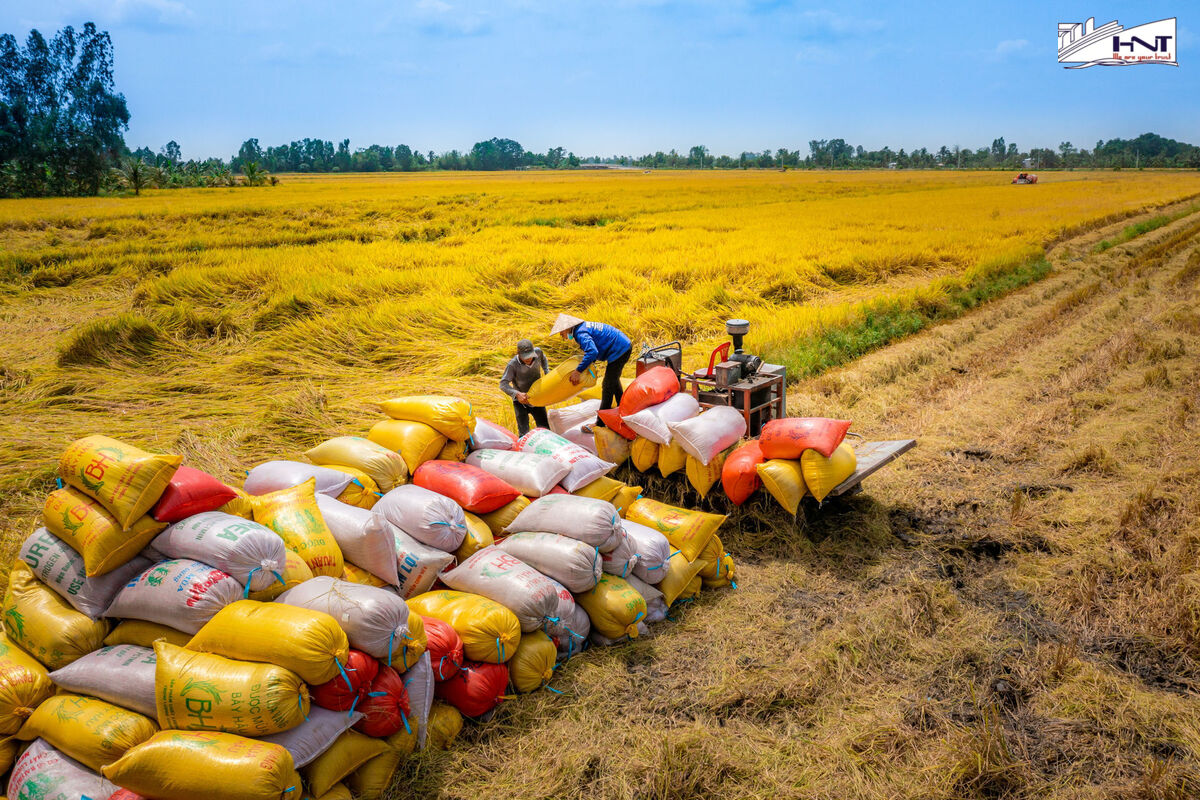
The rice export process requires thorough preparation of the import-export documentation set to ensure goods are cleared smoothly. So, what does the rice import-export documentation set include? Let's find out!
Full and detailed rice import-export documentation set
What does a full and detailed rice import-export documentation set include?
In the field of rice import and export, mastering and preparing a complete set of documentation is a key factor in ensuring that the transaction process takes place smoothly and effectively. The rice import-export documentation set is not merely a collection of papers, but also an important bridge between the buyer and the seller, a legal basis for commercial activities, and a determining factor in the customs clearance of goods.
A complete rice import-export documentation set includes many different types of documents, each with its own role and function, specifically including:
Sales Contract

Sales Contract
The Sales Contract is the most important legal document, expressing the agreement between the buyer and the seller on the terms of the transaction.
Commercial invoice (Commercial Invoice)
The Commercial Invoice is a document showing the value of the goods and is the basis for calculating tax.
Votes packaged goods (Packing List)
The Packing List details the quantity, weight, and packaging specifications of the goods.
Bill of Lading
The Bill of Lading is a transport document confirming that the goods have been delivered to the carrier and is the basis for receiving the goods at the destination port.
Certificate of Origin
Certificate of Origin
The Certificate of Origin confirms the origin of the goods, playing an important role in enjoying tariff preferences.
Phytosanitary Certificate
The Phytosanitary Certificate certifies that the goods are free from diseases and meet the phytosanitary requirements of the importing country.
Quality and Quantity Certificate
The Quality and Quantity Certificate confirms that the quality and quantity of the goods are in accordance with the contract. In addition, there are some other documents that may be required depending on the regulations of the importing country and the type of rice exported.
Preparing a full and accurate rice import-export documentation set not only helps businesses avoid risks during the transaction process but also establishes prestige and professionalism in the international market.
Detailed step-by-step rice export process from A-Z
Exporting rice is a complex business, requiring extensive knowledge of the process and related regulations. Below is a detailed step-by-step rice export process, helping you to have an overview and grasp the necessary stages:
Step 1: Preparation
Preparation steps include:
- Market research: Learn about the demand, standards, and regulations of the rice import market you are interested in.
- Finding partners: Identify potential importers, which can be through trade fairs, specialized websites, or other referral channels.
- Negotiation and contract signing: Agree on terms regarding price, quantity, quality, payment methods, and delivery with the partner.
- Preparing goods: Ensure that the rice meets quality standards, food safety and hygiene, and meets the requirements of the importing country.
Step 2: Procedures for rice export documentation set
Export procedures include:
- Registering for rice export business: Register for an import-export business code and related licenses (if any).
- Customs declaration: Declare shipment information on the electronic or paper customs declaration form.
- Submitting customs documents: Submit the necessary documents to the customs authority, including the contract, invoice, bill of lading, certificate of origin, phytosanitary certificate, and quality and quantity certificate.
- Inspection and clearance: The customs authority inspects the documents and goods; if they meet the requirements, they will clear the shipment.
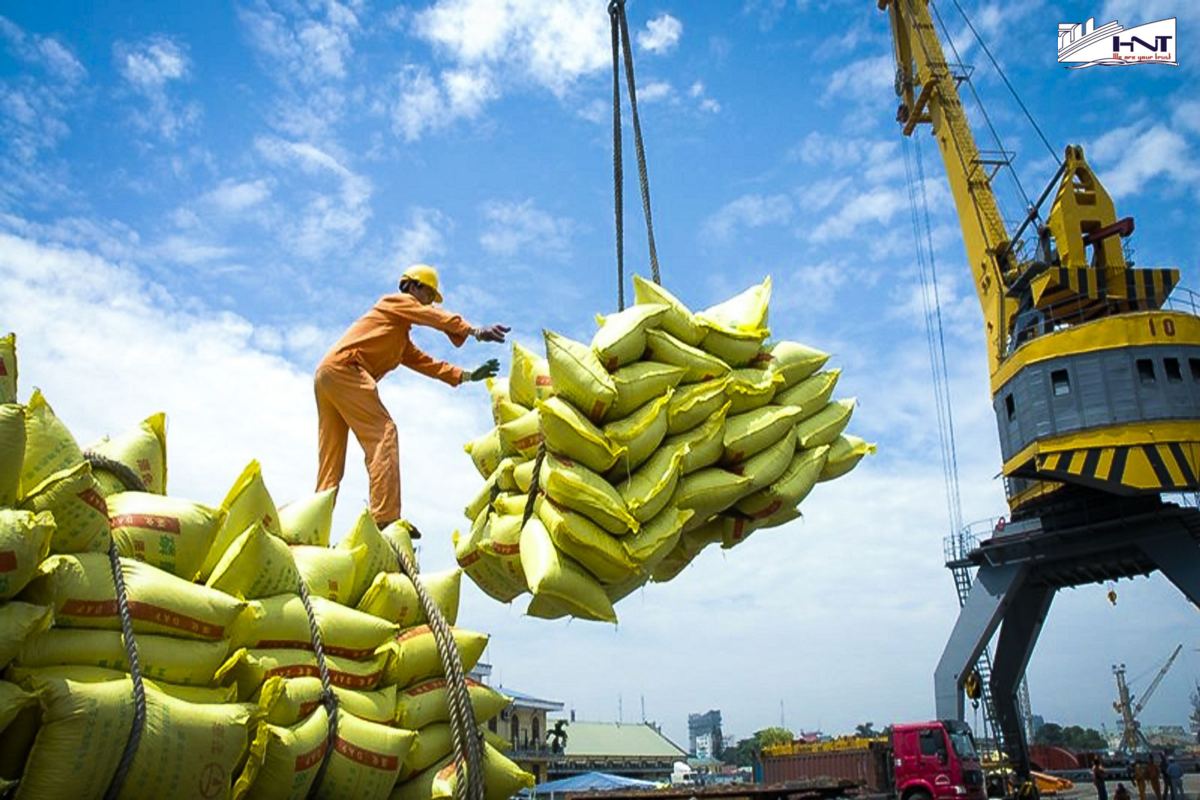
Rice export documentation procedure
Step 3: Transport and delivery
The transport and delivery step includes:
- Chartering vessels or transport vehicles: Selecting the appropriate means of transport based on the rice type and delivery terms.
- Delivery: Transporting rice to the export port and completing delivery procedures for the carrier.
- Shipment tracking: Monitoring the transport process to ensure goods are delivered to the correct location and within the specified timeframe.
Step 4: Payment
The payment step includes:
- Executing payment: The buyer pays the seller for the goods according to the method agreed upon in the contract (e.g., L/C, T/T).
- Completing the transaction: After receiving payment, the seller completes the transaction and provides the necessary documents to the buyer.
Important notes when exporting rice
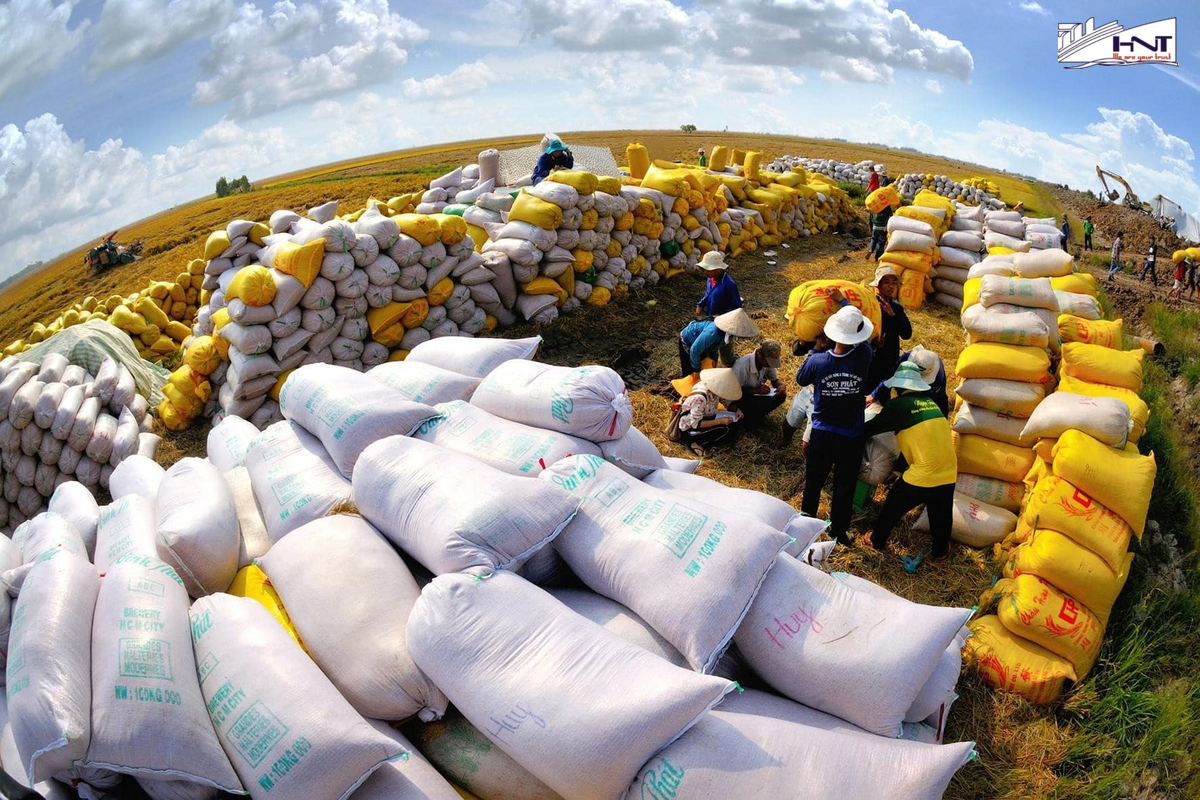
Important notes when exporting rice
To ensure that the rice export process goes smoothly and effectively, businesses need to pay special attention to several key factors.
First and foremost, mastering the regulations of both Vietnam and the importing country is a prerequisite. This includes thoroughly researching rice quality standards, phytosanitary regulations, packaging and labeling requirements, and other relevant regulations.
Secondly, preparing a complete set of rice export documents plays a crucial role in ensuring the legality and transparency of the transaction. This document set must be accurate, complete, and valid to avoid complications during customs clearance.
Additionally, checking the quality of rice before export is a step that cannot be overlooked. This helps ensure that the rice meets the partner's requirements, while also preventing potential disputes that may arise later.
Finally, choosing a reputable partner is also an important factor contributing to the success of rice export transactions. A partner with experience, reputation, and capacity will help the transaction process run smoothly, minimize risks, and bring the highest efficiency to the business.
Conclusion
Above is all the information about what is included in the rice export document set. And if you are looking for a suitable partner for importing and exporting agricultural products and fruits (especially dragon fruit) then HNT is the perfect choice for you.
HNT is one of the units with many years of experience in the logistics industry. We always strive to provide customers with high-quality services, meeting all your transportation needs.
Contact HNT Logistics via the hotline 0981.655.880 (Mrs. Thi) and 0949.393.300 (Mrs. Dao) for more details about our services!
See more: Car Container Frozen – Solution-Effective Shipping