


Vietnamese coffee is not only famous for its characteristic flavor but is also an important export commodity, in which the Australian market plays a potential role, which can help the country's agricultural economy grow. To succeed in exporting, it is essential to understand the criteria for exporting coffee to Australia. Let's join us to HNT Shipping learn about the criteria for how to export coffee to Australia, and export food to Australia!
The importance of exporting coffee to Australia
Exporting coffee to Australia is not only a business opportunity but also brings many important benefits as follows:
- Expand the consumer market: Australia is a large coffee consumer market that is demanding about quality. Exporting coffee to Australia helps expand the scope of consumption and creates opportunities to reach new customers.
- Strengthen prestige and brand: The Australian market pays special attention to product quality. Exporting coffee to Australia is not only an opportunity to prove product quality but also helps build reputation and brand in the international market.
- Create a stable source of income: Exporting coffee to Australia brings a stable source of income for the Vietnamese coffee agricultural industry, while helping to improve the lives of people in coffee-growing areas.
- Encourage sustainable development: Exporting coffee to Australia requires compliance with strict quality and environmental standards, thereby encouraging sustainable development in the Vietnamese coffee industry.
- Promoting international cooperation: Exporting coffee to Australia also opens up opportunities for trade and investment cooperation between Vietnamese and Australian businesses. Thereby promoting economic relations between the two countries.
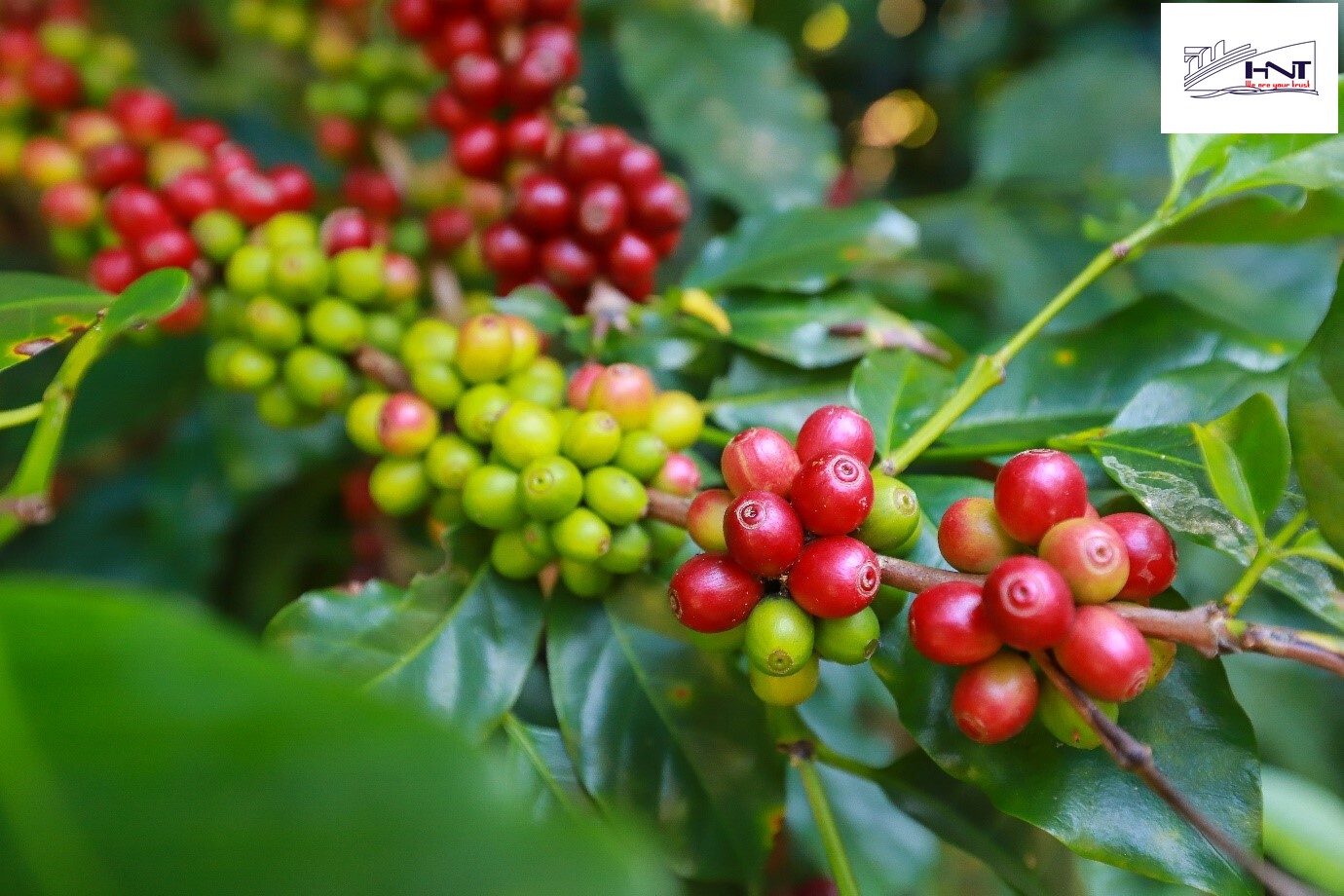
Why is it necessary to export coffee to the Australian market?
Exporting coffee to Australia not only brings economic benefits but also helps enhance the position of Vietnamese coffee in the international market and contributes to the sustainable development of the domestic coffee industry.
Coffee beans – Criteria for exporting coffee to Australia
Robusta, Arabica green coffee classified for export standards
In the process of exporting Robusta and Arabica green coffee, classifying according to standards such as grade 1, 2, 3 is familiar. HNT Shipping wants to explain this classification so that everyone can understand it better.
The quality classification process for green coffee usually follows the TCVN 4193:2001 standard. First, some samples from the coffee batch need to be taken for inspection. For example, with 10 bags of coffee (60kg each), only about 2 samples need to be taken to check the quality.
After the sample is taken, the analysis process will begin to determine important factors such as black beans, broken beans, mold, impurities, size of the beans... Based on the number and type of these defects, we will be able to classify coffee into different grades, from grade 1 to grade 3.
Applying this quality determination standard helps ensure that exported coffee achieves the best quality. Thereby creating high value and trust for consumers as well as business partners.
Criteria for meeting export standards
The criteria for exporting coffee to Australia for Robusta and Arabica green coffee grade 1, screen 18 set specific requirements to ensure product quality:
- Moisture: Does not exceed 12.5%.
- Black & Broken beans ratio: No more than 2%.
- Foreign matter ratio: Maximum 0.5%.
- Other coffee beans ratio: No more than 0.5%.
- Minimum 90% on screen: Screen number 18 (7.1mm).
- Packing: 60kg per bag.
- Export standard: 19.2 tons/container.
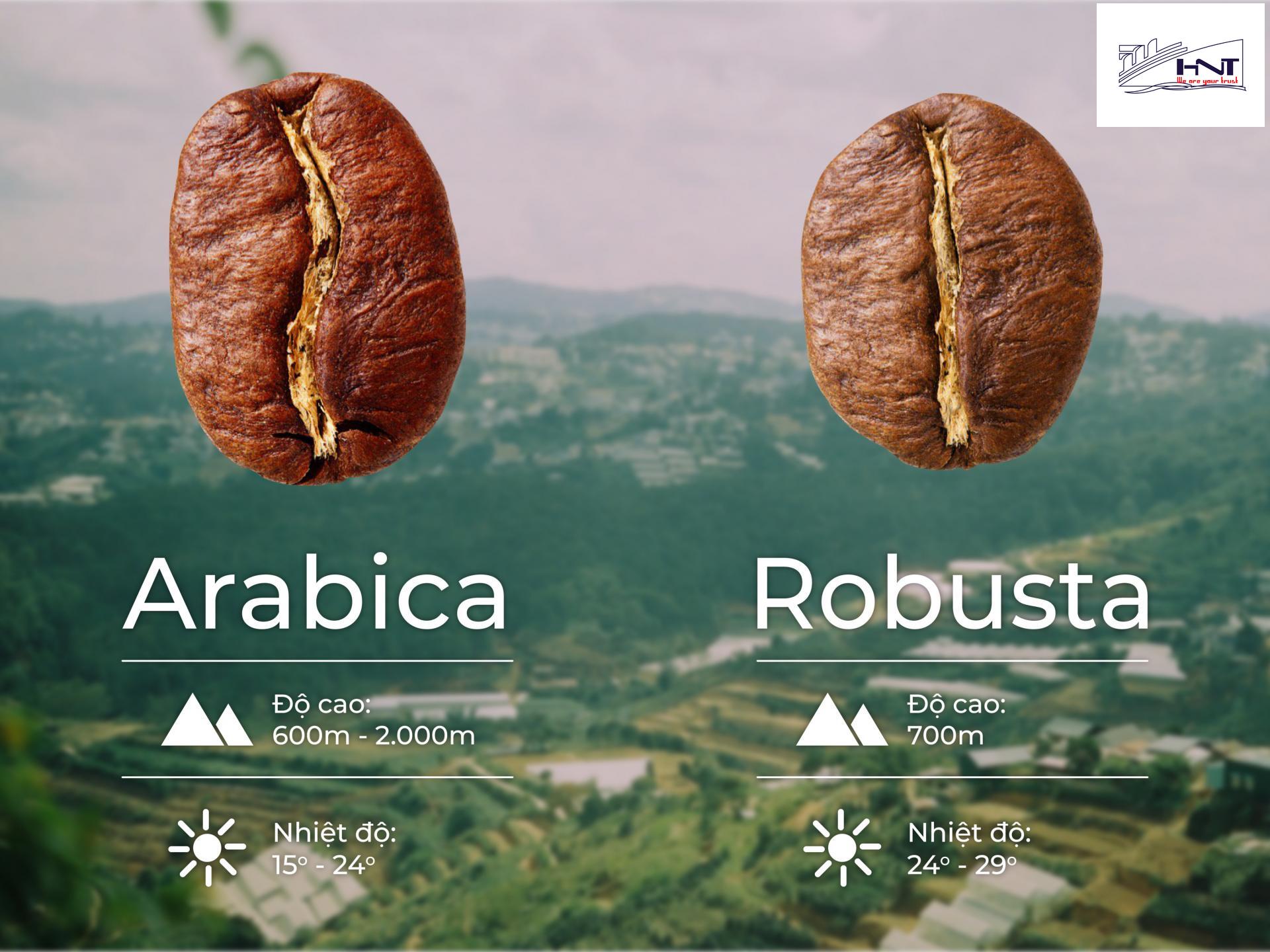
Criteria for standard coffee beans
These standards are set to ensure that exported coffee reaches high quality, not only meeting market requirements but also as a commitment of the producer to customers about quality and reputable products.
Procedures and necessary preparation steps for exporting coffee to Australia
Vietnam, as one of the largest Robusta coffee-producing countries in the world and ranking second in export volume after Brazil, Vietnam is famous for Buon Ma Thuot Robusta coffee, especially with its unique aroma and strong body. Vietnamese coffee products are increasingly known and highly appreciated worldwide.
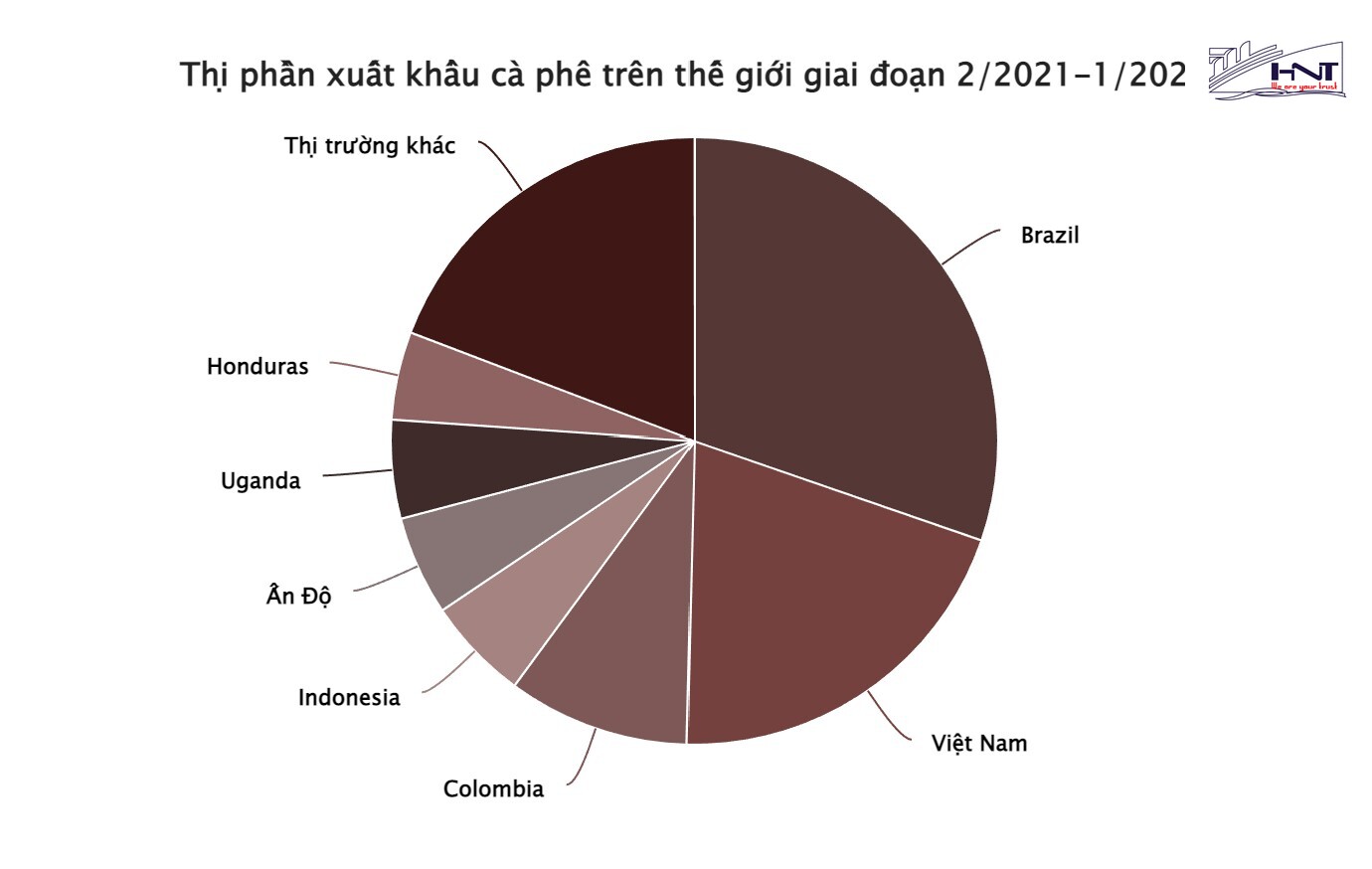
Việt Nam – Đứng thứ 2 về việc xuất khẩu hạt cà phê trên thế giới
Coffee is one of Vietnam's leading export commodities, so there are many enterprises operating in the coffee export sector. Vietnam's coffee export process is often carried out flexibly and provides optimal conditions for businesses.
However, during the coffee export process, businesses need to pay attention to quarantine issues and comply with the quarantine requirements of importing partners. This is very important to ensure that exported coffee products fully meet the standards and requirements of the target market. From there, it creates a solid foundation for market expansion and maintaining reputation in the international market.
Legal regulations on how to export coffee to Australia
According to legal regulations on coffee export, under Circular No. 04/2014/TT-BTC dated 27/01/2014 of the Ministry of Industry and Trade, coffee is not on the list of prohibited or restricted export goods. At the same time, coffee does not require a special export license. Therefore, businesses can export coffee to other countries normally.
In addition, Circular No. 75/2009/TT-BNNPTNT stipulates national standards on food hygiene and safety conditions for agricultural production activities, setting out regulations that must be followed to ensure produced coffee meets food safety and hygiene standards. This helps protect consumer health and enhance the reputation of exported coffee products.
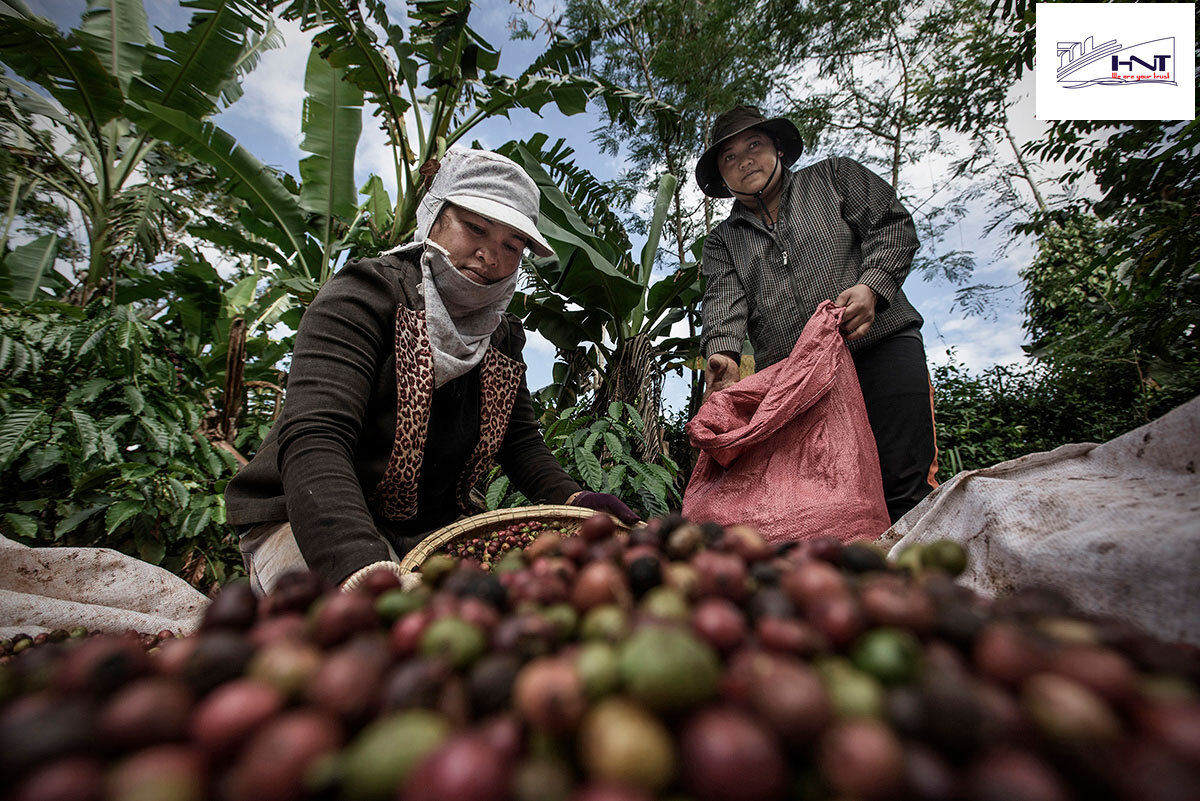
Regulations on export procedures
Hồ sơ cần chuẩn bị – Các tiêu chí xuất khẩu cà phê sang Úc
To process customs clearance when exporting coffee, the dossier to be prepared includes the following documents:
- Customs declaration.
- Goods input documents (invoice, purchase list).
- Commercial invoice (Commercial Invoice).
- Commercial contract (Sales Contract) (if any).
- Bill of Lading – cargo waybill.
- Votes packaged goods (Packing List)
In addition, depending on the requirements of the importing partner, additional documents may be needed such as:
- Certificate of Origin (C/O).
- Phytosanitary Certificate.
- Health Certificate (HC).
These documents ensure accuracy, safety and compliance with customs regulations as well as the requirements of the importing partner, thereby helping the coffee export process proceed smoothly and efficiently.
Criteria for exporting coffee to Australia regarding packaging specifications
To ensure Vietnamese coffee products are transported safely and maintain quality when shipped to other countries, export coffee packaging specifications are very important. Coffee packaging must be carefully designed and fully labeled with information such as place of production, expiry date and other important details.
Before being packed, coffee must go through a careful quality inspection process, including moisture testing and ensuring standards are met. Roasted and ground coffee is usually packed in 30kg bags, while raw coffee is usually packed in 60kg bags.
Standard container types for coffee export packaging include:
- 20-foot container: Length 6,060m; Width 2,440m; Height 2,590m.
- 40-foot container: Length 12,190m; Width 2,440m; Height 2,590m.
- 45-foot container: Length 13,716m; Width 2,500m; Height 2,896m.
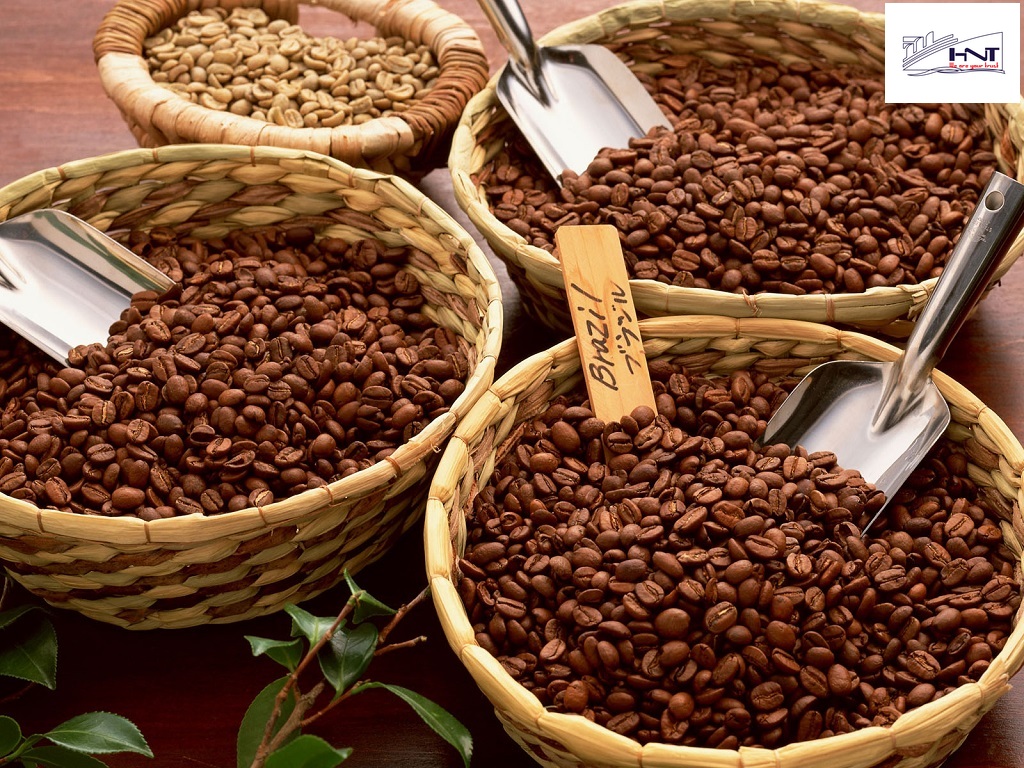
Export packaging specifications
Depending on the specific type of goods, businesses will choose a suitable container type to package and transport coffee efficiently and safely.
Đối tác vận chuyển uy tín – HNT Shipping
After understanding the information about the criteria for exporting coffee to Australia, choosing a reliable transport partner is very important. HNT Shipping is a reputable domestic and international freight company with many years of experience in logistics. Especially in transporting agricultural products in general and coffee in particular.
HNT Shipping is committed to providing customers with optimal, safe and efficient transportation solutions. With an experienced team and modern warehouse system, HNT ensures goods are transported quickly, safely and cost-effectively. This helps ensure your products are delivered professionally and reliably to end consumers.
Conclusion
We hope the article on criteria for exporting coffee to Australia is useful to readers. For support information on exporting food and coffee to Australia, please contact 0981.655.880 (Mrs. Thi) and 0949.393.300 (Mrs. Dao) for consultation.