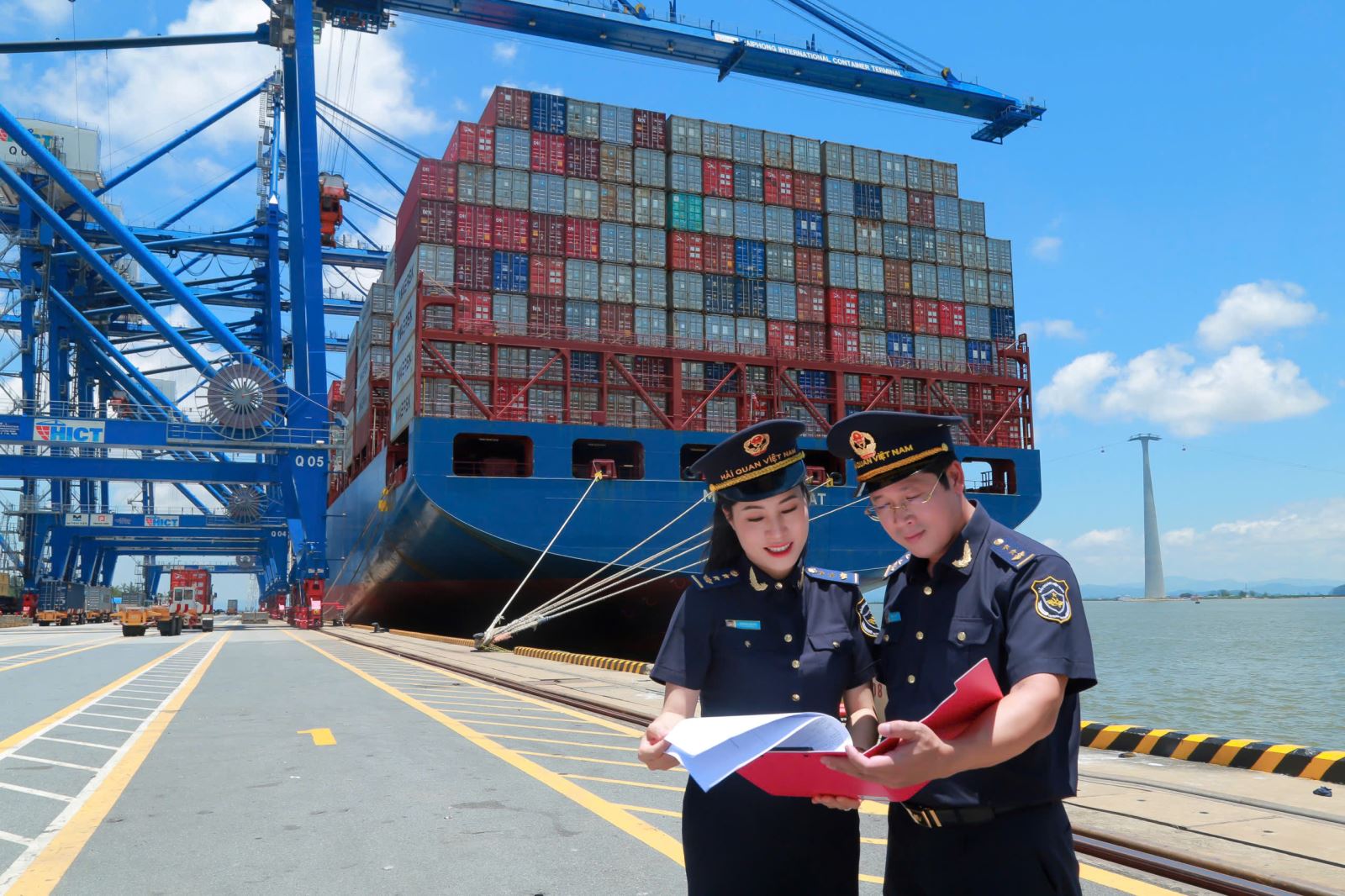
What is customs procedure? What is the purpose of customs declaration? What does the customs procedure dossier include and is it complicated? When goods are exported across borders, they are required to undergo customs procedures. Many businesses are worried about this issue. To ensure that the business's commercial activities are not interrupted, today, let's join HNT Shipping to learn in detail in the article below!

What is customs procedure? Are they necessary and too complicated? Why are so many businesses so worried about this issue?
Customs what is?
Customs procedure includes the necessary tasks and measures to ensure that means of transport, exported or imported goods across the border are legal and safest. Customs procedures include activities such as verifying information, inspecting goods, collecting customs duties, etc. To ensure compliance with all customs regulations, protecting national interests as well as those of the people.
Customs activities take place in areas including important locations and zones such as seaports, border gates, export processing zones, goods storage areas, and customs procedure locations. They play an important role in inspecting, handling, and managing goods and means of transport when crossing the national border area.
Purpose of customs procedure
The main purpose of customs declaration is to provide accurate, detailed information about goods and related transportation during the import and export process, specifically as follows:
- Goods control: The customs authority will conduct strict inspection and supervision of goods to ensure compliance with current legal regulations.
- Determination of customs duties: Then proceed to determine tax rates and other related fees for imported and exported goods, ensuring legal revenue for the state.
- Information reconciliation: Supporting exporters and importers in checking and verifying information related to goods, including value and origin, to see if they are correct as per the submitted documents.
- Trade management: This is an important step in the trade management process, helping all commercial transactions comply with national regulations and policies.
- Protection of national security: Customs declaration information is used to control and prevent goods that pose a risk, ensuring national security.

The main purpose of customs declaration is to provide accurate, detailed information about goods and related transportation during the import and export process
Customs declaration procedure
How will the process be carried out? Customs procedure is always one of the processes that importers and exporters must always comply with when wanting to transport goods across the national border area. Below are the main steps of the customs procedure:
Step 1: Declare and submit customs declaration; submit and present customs documents
Importers and exporters must first proceed to fill out the customs declaration, providing necessary information about the goods, value, and other necessary details. That important information will be used to determine customs duties and check compliance with legal regulations.
Step 2: Bring goods and means of transport to the inspection location
Goods and means of transport must be brought to the location designated by the customs authority for actual inspection. Here, customs officers conduct strict inspections to ensure all goods comply with legal regulations. This includes quality inspection, determining whether goods meet prescribed standards, as well as checking if the quantity of declared goods matches reality. Simultaneously, it prevents the risk of transporting illegal, prohibited goods that threaten national security. Overall, this process helps increase transparency in export activities and ensures safety in international trade.

Customs officers conduct strict inspections to ensure all goods comply with legal regulations
Step 3: Pay taxes and fulfill other financial obligations
Exporters or importers have the responsibility and obligation to pay customs duties based on the information declared in the customs declaration, along with the actual value of the goods. In addition to customs duties, they also need to pay other related fees and charges during the import and export process, depending on the type of goods and current regulations.
In case of non-compliance or violation of customs authority requirements, the declarant may have to take remedial measures, including correcting erroneous information and assuming financial responsibility according to the law.
In addition, customs procedures are not fixed and can change depending on each country and each specific type of goods. Therefore, carefully researching current regulations is necessary to ensure the import and export process takes place quickly and smoothly, avoiding violations and unnecessary costs. Limiting wasted time. Some products Vietnamese agricultural products, if the transport time is dragged out too long, it can affect quality.

Businesses have an obligation to pay taxes based on the information declared in the declaration along with the actual value of the goods.
Summary
Above is basic information on the topic 'Purpose of customs declaration'. If your business does not have much experience in this field, do not hesitate to contact HNT Shipping. With a team of experienced staff who have been and are carrying out import-export procedures for many different companies, individuals, and businesses. Committed to fast, reputable support, extremely reasonable support prices, and dedicated long-term working. Contact HNT Shipping today for the fastest support!

Contact HNT Shipping today for the fastest support