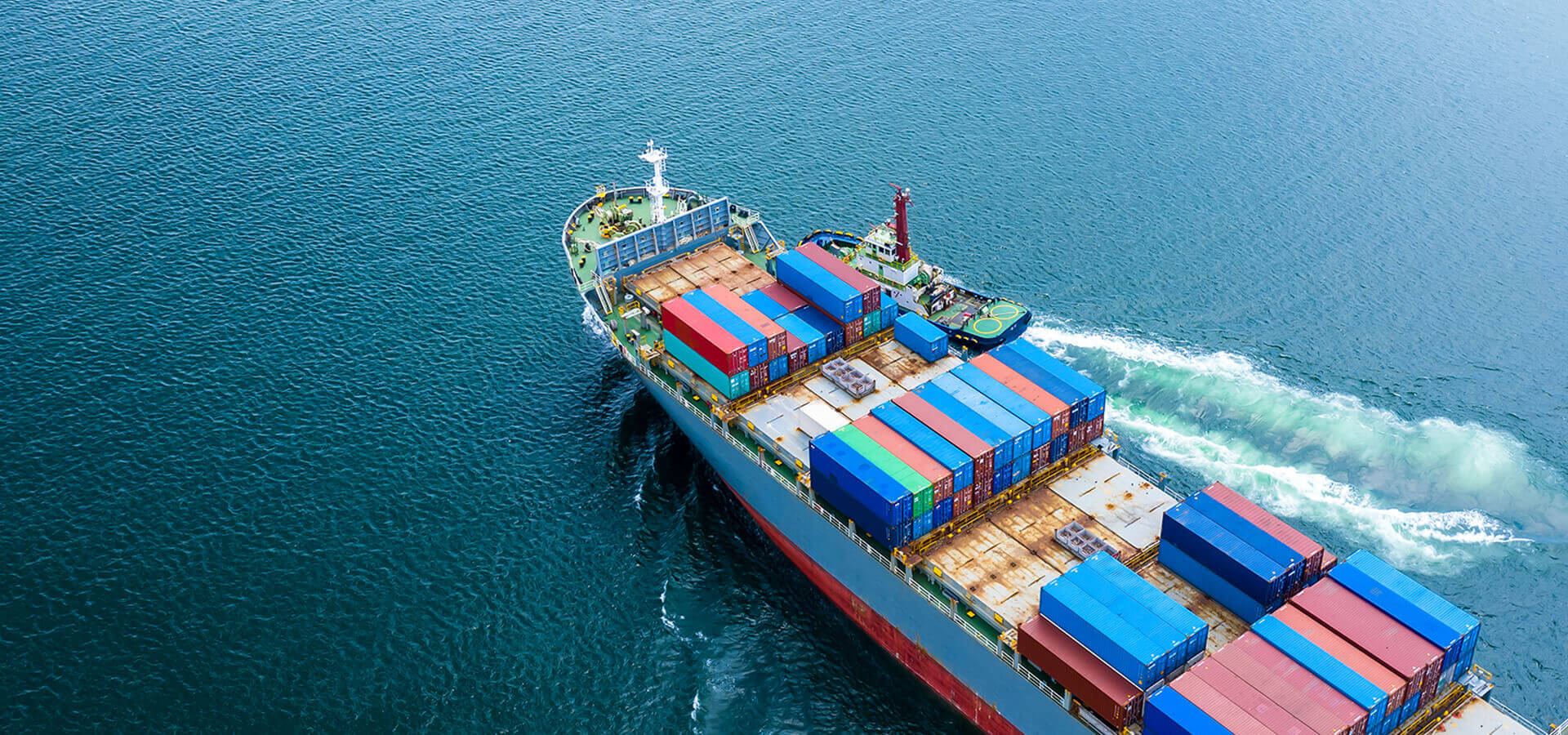
In the context of globalization, mastering import procedures for goods is a vital factor helping businesses operate smoothly and avoid legal risks. However, this process often comes with many complex steps such as preparing documentation, customs declaration, or executing import entrustment when businesses do not have sufficient functions to self-operate. Besides, issues regarding import entrustment contracts, management of import-export cargo insurance, and understanding general import-export procedures are always problems that need accurate solutions. This article will provide a comprehensive view for you to be more confident in international trade activities.
Overview of current goods import procedures
The process of carrying out goods import procedures in Vietnam has made many strides in digital transformation, helping to save significant time. However, the continuous changes in circulars and decrees from the General Department of Customs are still a major challenge. The first and most important step is always to determine the correct HS Code. This not only determines the tax rate the business must pay but also determines whether the item is prohibited from import or requires specialized inspection.
After having the HS code, the business proceeds to prepare the customs dossier including commercial invoice, packing list, and bill of lading. If the business does not have a specialized department, finding import entrustment services will be the optimal solution to ensure goods are cleared on schedule, avoiding elementary errors leading to administrative fines or production line delays.
Why do businesses need import entrustment services?
The concept of import entrustment is often applied to businesses that do not have direct import-export licenses or units that want to optimize operational processes. When carrying out entrustment, the entrustee will act as the name on foreign trade documents, representing the client in performing all steps from signing contracts, international payments to customs declaration at the border gate.
The biggest benefit of this is legal safety. Professional service providers are always thoroughly knowledgeable about regulations on import-export procedures, thereby advising clients on the most beneficial transportation and tax application schemes. This helps businesses reduce the burden on personnel and focus resources on core business activities.
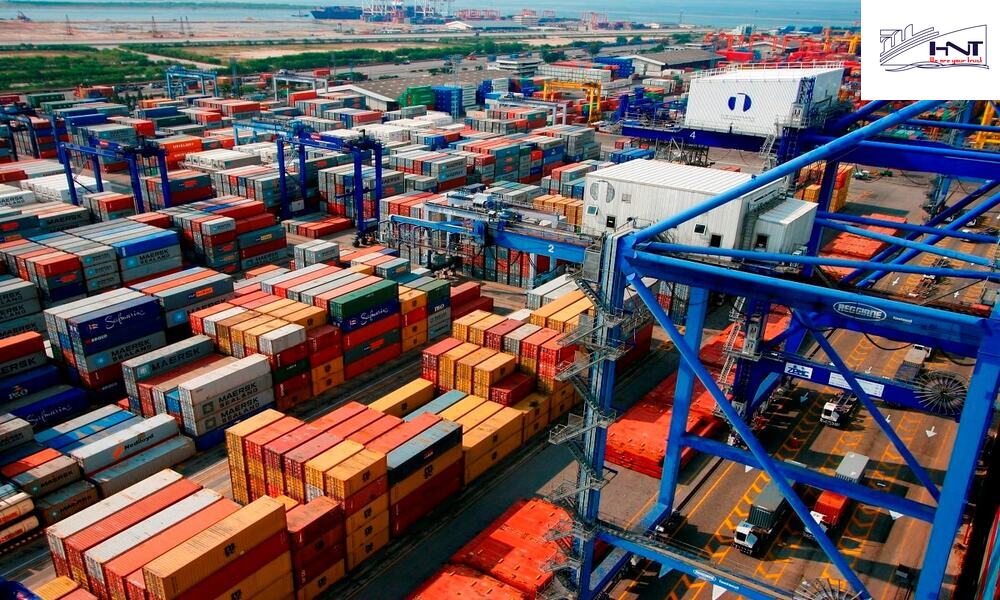
Review the pile of document files before transmitting the declaration
Special notes when drafting import entrustment contracts
In international trade, a contract is the 'guiding compass' protecting the interests of the business. A sketchy import entrustment contract can lead to prolonged and costly legal disputes.
Clearly define financial and tax responsibilities
In the contract, it is necessary to clearly separate service fees and proxy taxes. The entrustee will pay import tax and VAT on your behalf. However, the timing of fund transfers and reconciliation documents must be strictly regulated so that the business can timely carry out tax refunds or year-end accounting finalization.
Provisions on legal representation and dispute resolution
When an incident occurs with a foreign supplier (poor quality goods, wrong type), who will stand up to complain? In an import entrustment contract, you need to clearly state that the entrustee is responsible for supporting legal procedures, but the final decision and incurred costs will usually be borne by the entrusting party.
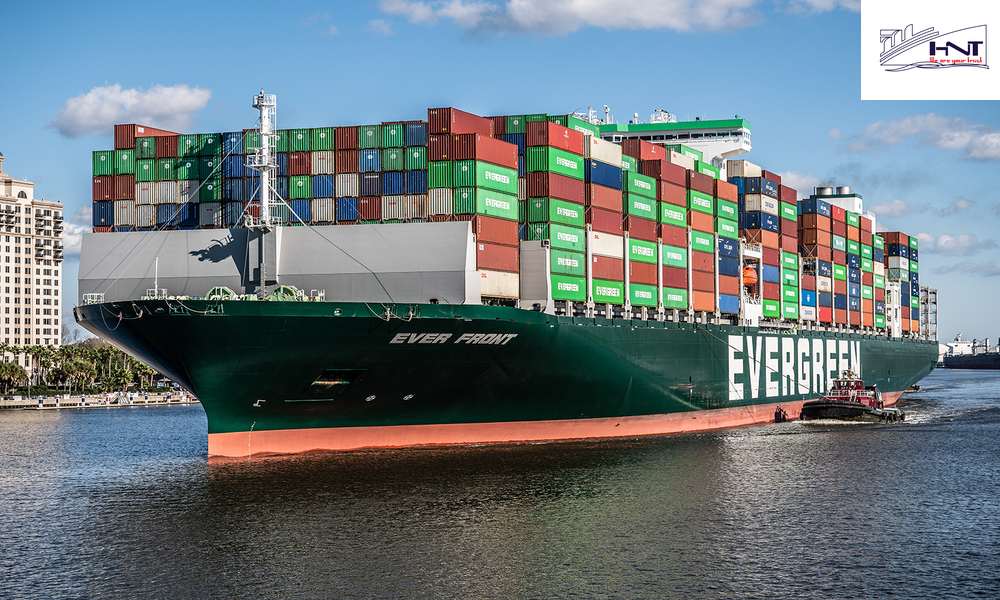
Sign the agreement terms between the two parties clearly
Risk management with import-export cargo insurance
Many businesses consider insurance a secondary expense, but in reality, this is the smartest investment to protect assets in the global supply chain.
Select appropriate insurance conditions
There are many types of import-export cargo insurance from type A (all risks) to type C (restricted risks). Depending on the nature of the goods (fragile goods, high-value machinery, or agricultural products), you should ask the import entrustment unit to advise on a suitable insurance package to optimize costs while still ensuring safety.
Claims process when losses occur
When goods arrive at the port dented or missing, the first thing is to keep the status quo and invite an inspector. If you have import-export cargo insurance, this inspection record will be the most important evidence for the insurance side to pay compensation, helping the business quickly recover capital.
Detailed process of goods import procedures at the border gate
Understanding the actual process helps businesses be proactive in distribution and warehouse coordination.
Step 1: Check documentation and electronic customs declaration
Before goods arrive, you need to prepare fully: Invoice, Packing List, Bill of Lading, and CO (Certificate of Origin). Then, use the VNACCS software to transmit the declaration. This is the most important step in goods import procedures to determine whether your shipment belongs to the Green lane (clearance immediately), Yellow lane (document inspection), or Red lane (physical inspection of goods).
Step 2: Specialized inspection and tax payment
For specific items such as food, cosmetics, or medical equipment, import-export procedures will include an additional step of taking samples for inspection. After having satisfactory results and completing tax obligations, goods are officially released.
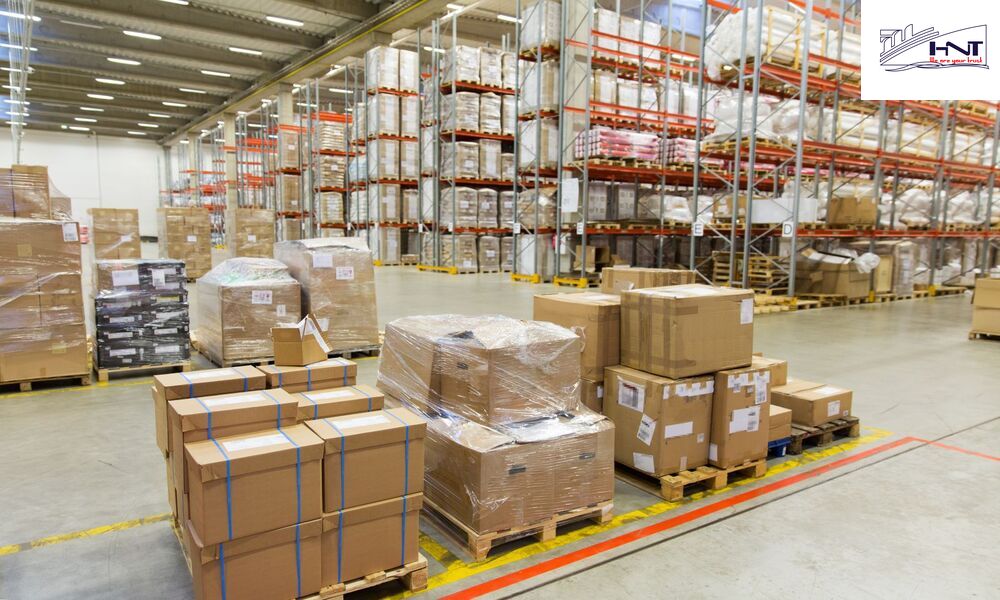
Control the status of the seal and the condition of the container shell at the yard to ensure the integrity of the goods before arranging transportation vehicles.
Experience in optimizing costs and time in import-export procedures
For the business equation to be effective, saving clearance time is saving money (storage fees, yard fees).
How to look up and apply HS Code accurately
A small error in applying HS codes can cause businesses to be heavily fined or delayed in customs clearance. Experience from long-term import authorization units suggests referring to similar shipments that have been cleared previously or sending an official dispatch to request a pre-determination of the HS code from the General Department of Customs if the item is completely new.
Handling labeling issues
Imported goods are required to have supplementary labels in Vietnamese. Preparing a sample supplementary label in advance and coordinating with the warehouse to apply it immediately upon arrival at the port will make the import procedure for goods smooth, avoiding administrative penalties when the market management agency conducts post-clearance inspections.
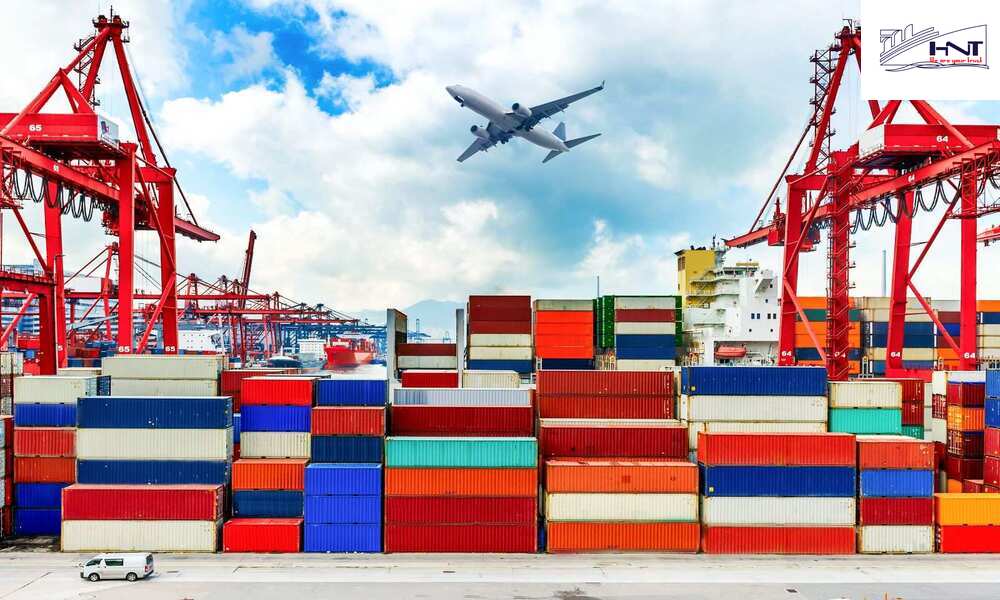
Strictly control the import-export document set to ensure the customs clearance process takes place smoothly and in accordance with the law.
HNT Shipping: Reputable and Professional Import Authorization Unit
If your business is having difficulty performing import procedures for goods or is concerned about legal risks when drafting an import authorization contract, HNT Shipping is the perfect solution.
With extensive experience in the logistics sector, HNT commits to:
- Cost optimization: Advise on applying accurate HS codes and purchasing the best-priced import-export cargo insurance.
- Time saving: Process import-export procedures quickly, clearing shipments in just a few hours.
- Absolute safety: Ensure all documents and processes comply with current legal regulations.
- Do you need consultation for a comprehensive import solution? Contact HNT Shipping now for 24/7 support!
Connect with HNT Shipping now for advice on the safest and most economical transportation plan!
Hotline: 0911.446.060 (Mrs. Contest)
0908.487.986 (Mr. Scenes)
0903.070.300 (Mr. Sweden)
Conclusion
The choice depends on the scale and experience of the personnel in the business. If you are just starting or the shipment has high complexity, using a professional import authorization service is the safest solution. This helps you focus entirely on sales and market development, instead of having to worry about the complex numbers and legal documents of import-export procedures.