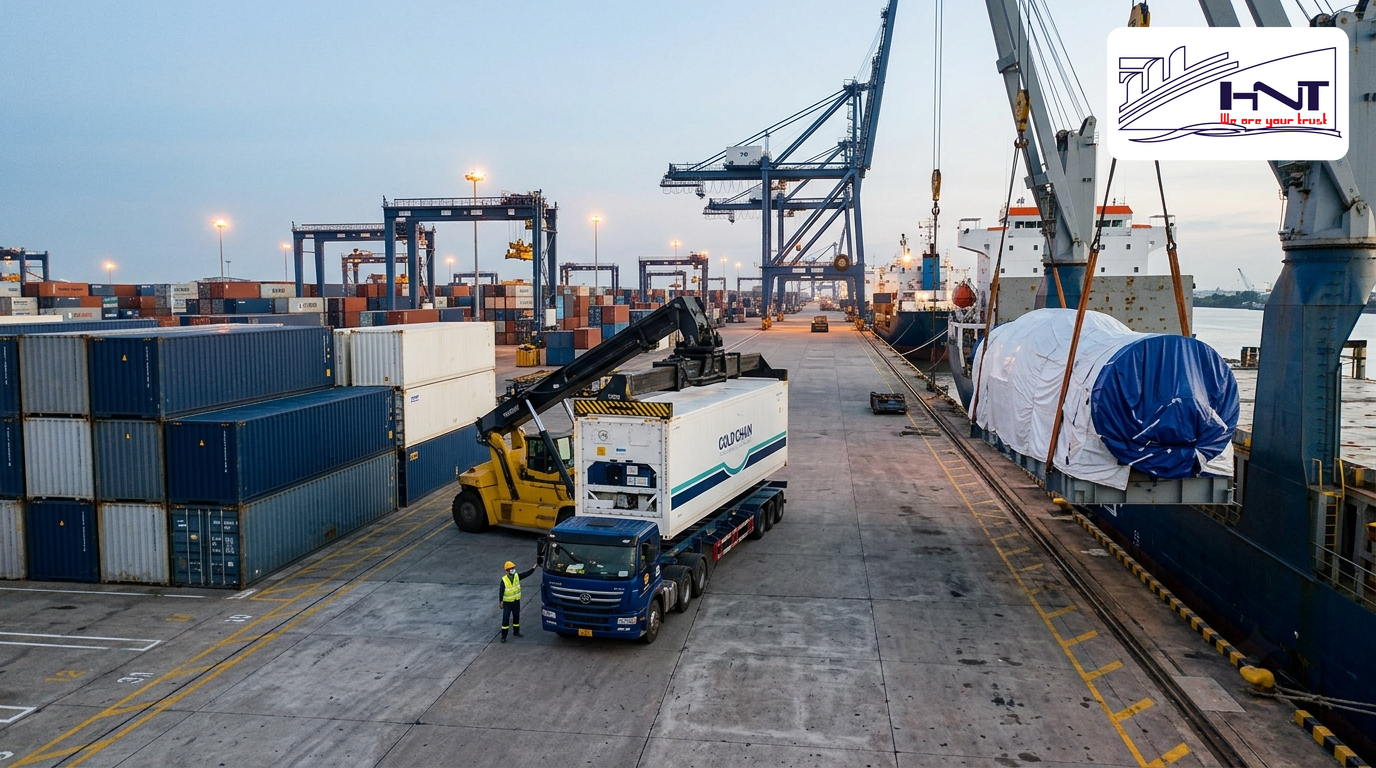
FCL container shipping often becomes a bottleneck when goods are ready but there is a lack of vessel space, the wrong type of container, or delays in yard drop-off. In 2026, Vietnam's seafood exports reached 11.3 billion USD; in January 2026, fruits and vegetables reached 644.44 million USD; the Drewry container freight index on June 11, 2026, was at 3,549 USD per 40-foot container. This article helps businesses choose options, book space, and manage practical risks.
When should businesses choose FCL container shipping instead of splitting shipments
FCL container shipping is suitable when businesses need higher control over loading schedules, sealing, and delivery times. FCL is not always cheaper than LCL. However, total costs may be lower by reducing intermediate handling, the risk of cargo mixing, and consolidation waiting time.
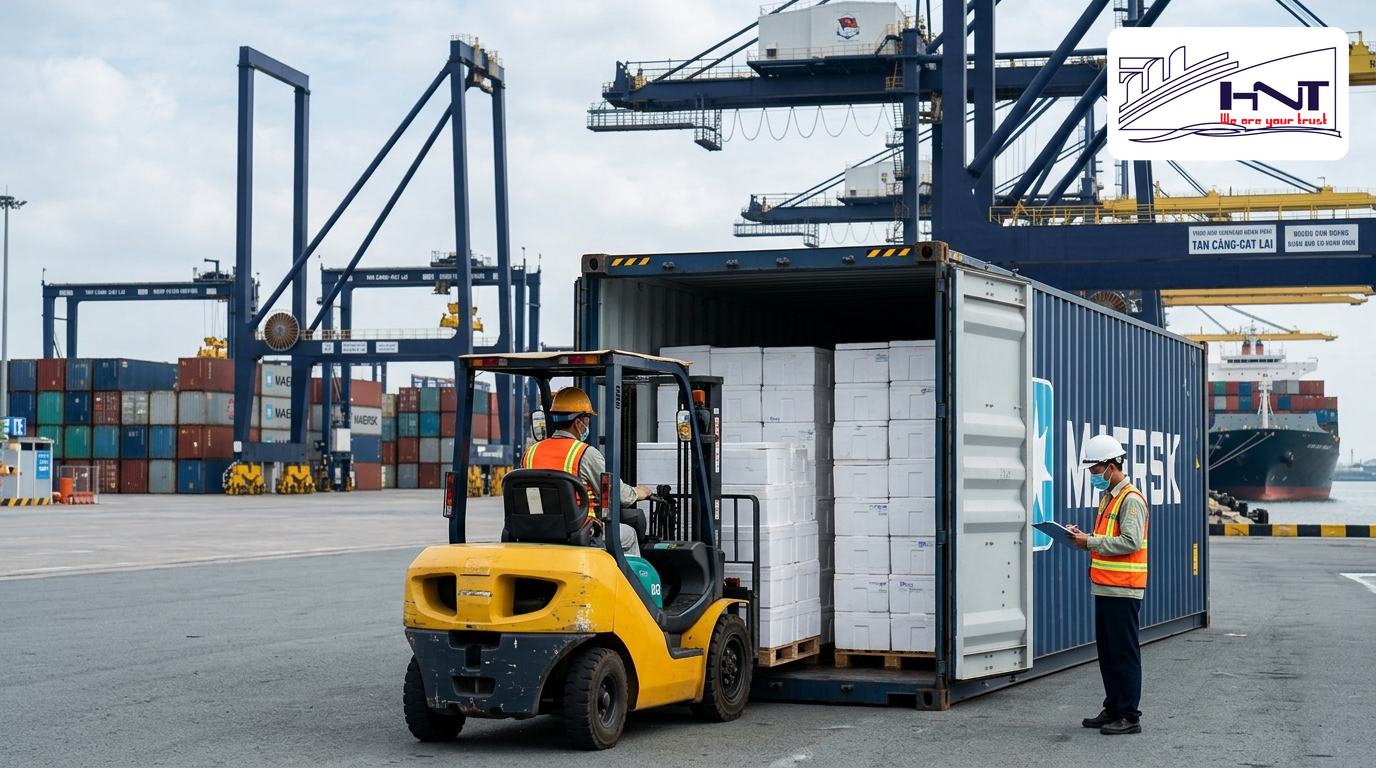
Signs that FCL helps reduce total logistics costs even if ocean freight is higher
Compare costs based on the entire journey, not just ocean freight. A shipment that is nearly a full container, has a fixed delivery schedule, or requires limited handling should usually choose FCL. LCL costs can rise quickly due to CFS fees, tallying, loading/unloading, and waiting for consolidation at the port.
- Cargo volume reaches about 70% of the useful volume or payload of the container.
- The buyer requires a separate bill of lading and control over sealing at the export warehouse.
- High-value, perishable goods, or those not allowed to be co-loaded.
- Stable production schedule needing weekly or monthly shipments.
- Delivery time bound by contracts or retail seasonality.
- The business has sufficient personnel for loading, weighing, and processing documents.
| Criteria | FCL | LCL | Decision significance |
|---|---|---|---|
| Sealed | One shipper | Multiple shippers | FCL is easier to control responsibility |
| Warehouse handling | Fewer touchpoints | Via consolidation warehouse | Reduced damage risk |
| Price by volume | Per container | By volume or weight | FCL is advantageous when cargo is nearly full |
| Waiting time | By vessel schedule | Dependent on consolidation | FCL is more proactive |
Groups of goods suitable for full container loads: exports, projects, and periodic supply chains
Suitable groups include boxed agricultural products, frozen seafood, industrial components, construction materials, and project machinery. Minh Tin Agricultural Products Company in Tien Giang assumes exporting 22 tons of mangoes to Shanghai. Switching from LCL to a 40RF container helps reduce two warehouse transshipments and shortens domestic processing by 18 hours.
In another case, Dong Nam Mechanical Company in Binh Duong exports three equipment clusters to Laem Chabang. They use FCL to maintain the original lashing diagram. The assumed result is no extra loading/unloading costs at the transshipment port and reduced risk of load displacement.
Cases of transporting 40RF and 45RF reefer containers offer superior advantages
Transporting 40RF and 45RF reefer containers is especially suitable for fresh fruits, frozen seafood, and foods that require continuous temperature control. A reefer container is not just a 'cold box'. Shippers must confirm the set temperature, vent setting, ripeness level, heat load, and pre-cooling time before stuffing.
For frozen durian exported to China, requirements for labeling, packaging hygiene, and traceability of processing facilities must be prepared before goods enter the container. The protocol signed on August 19, 2026, requires goods to be compliant with phytosanitary and food safety standards upon import.
Situations where FCL easily leads to waste if the wrong option is chosen
FCL is prone to waste when cargo volume is too low, production time is unstable, or the warehouse does not have the conditions for safe loading. Do not choose FCL just to get a low rate on a quotation. Empty container hauling, port handling, repair, and demurrage fees can wipe out all price advantages.
Practical conclusion: only choose FCL after converting the total cost per sales unit, including ocean freight, local charges, warehouse costs, spoilage rates, and capital costs due to waiting time.
Planning container and vessel bookings to avoid space shortages during peak season
Container booking services should start from production forecasts, not from the date goods are ready. In June 2026, the Drewry index increased due to an early peak season on Trans-Pacific and Asia-Europe routes. Shippers should lock in demand by the week instead of waiting for each shipment to arise.
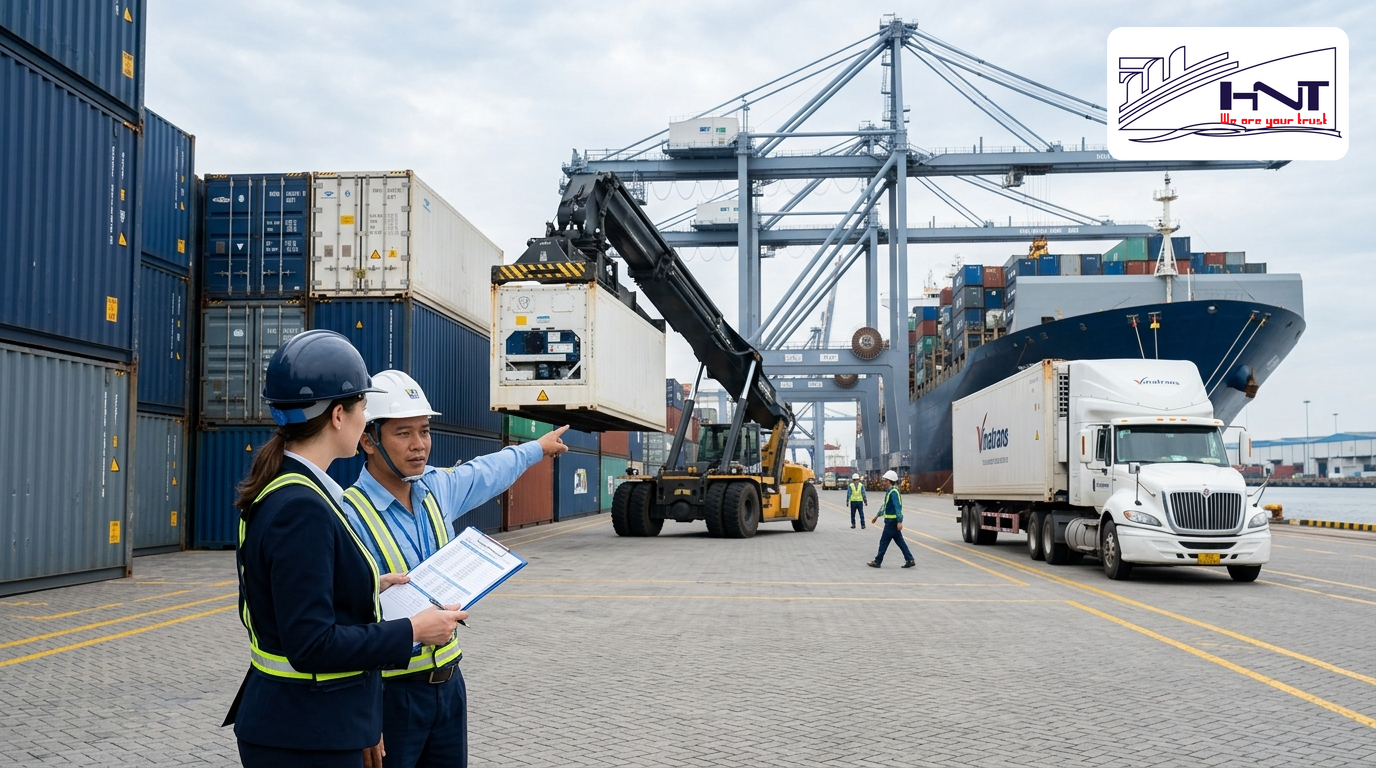
Determining the container type based on cargo characteristics and actual weight
Container type must be based on package dimensions, weight per pallet, road weight limits, and lashing plans. A 20-foot container is suitable for heavy, uniform cargo. A 40-foot container is suitable for light cargo or palletized goods. Reefer containers need extra ventilation space for airflow circulation.
- Identify cargo code, hazardous nature, and quarantine requirements before submitting a booking request.
- Measure the length, width, and height of each package instead of relying only on design data.
- Calculate the total weight including packaging, pallets, dunnage, and lashing materials.
- Check the road weight limit from the warehouse to the export port.
- Confirm the need for dry, reefer, open-top, or flat-rack containers before the peak season.
- Set the empty container pickup time suitable for the warehouse's loading capacity.
| Loại hàng | Suitable container | Points to check | Main risks |
|---|---|---|---|
| Bagged rice | 20ft Dry | Weight and moisture resistance | Road overload |
| Fresh fruit | 40RF or 45RF | Temperature and ventilation | Condensation |
| Tall machinery | Open top | Lifting height | Cannot fit through container door |
| Oversized equipment | Flat rack | Lifting and lashing points | Off-center |
When to book container services to optimize prices and vessel schedules
For stable dry cargo, forecasts should be sent three to four weeks in advance. For refrigerated containers, forecast even earlier during fruit season or when the route has high demand. HNT LOGISTICS recommends businesses secure at least two alternative vessel schedules instead of relying on a single trip.
Checklist to prepare before sending a booking to a shipping line or forwarder
Booking requests must clearly indicate the port of loading, port of discharge, commercial terms, cargo ready date, container type, volume, and temperature if applicable. Missing data increases the risk of incorrect equipment booking. The person in charge needs to re-verify the names of the shipper, consignee, and cargo information before confirming.
Common booking errors that lead to container storage fees and schedule changes
Common errors include incorrect weight declaration, picking up empty containers too early, loading goods before documents are ready, and confusing the gate-in cutoff time. Nam Hai Seafood Company in Ca Mau assumed they missed a trip because the quarantine certificate was completed late. By calculating backward from the cutoff time, the company reduced their storage risk by one day per shipment.
A second example is Phu Lam Packaging Company in Long An, which booked a 40-foot container but the cargo weight exceeded the domestic transport plan. They switched to two 20-foot containers before the empty container pickup date. This early decision helped avoid booking cancellation fees and the risk of late gate-in.
Practical summary: manage bookings using a planning table including cargo ready date, empty pickup deadline, gate-in deadline, loading time, document deadline, and backup vessel schedules.
Comprehensive FCL container transportation process from warehouse to destination port
Comprehensive FCL container transportation needs to be managed as a chain of sequential responsibilities. Each delay at one milestone can create costs at the next. Cargo owners should designate one final decision-maker for cargo, documents, domestic transport, and vessel schedule changes.
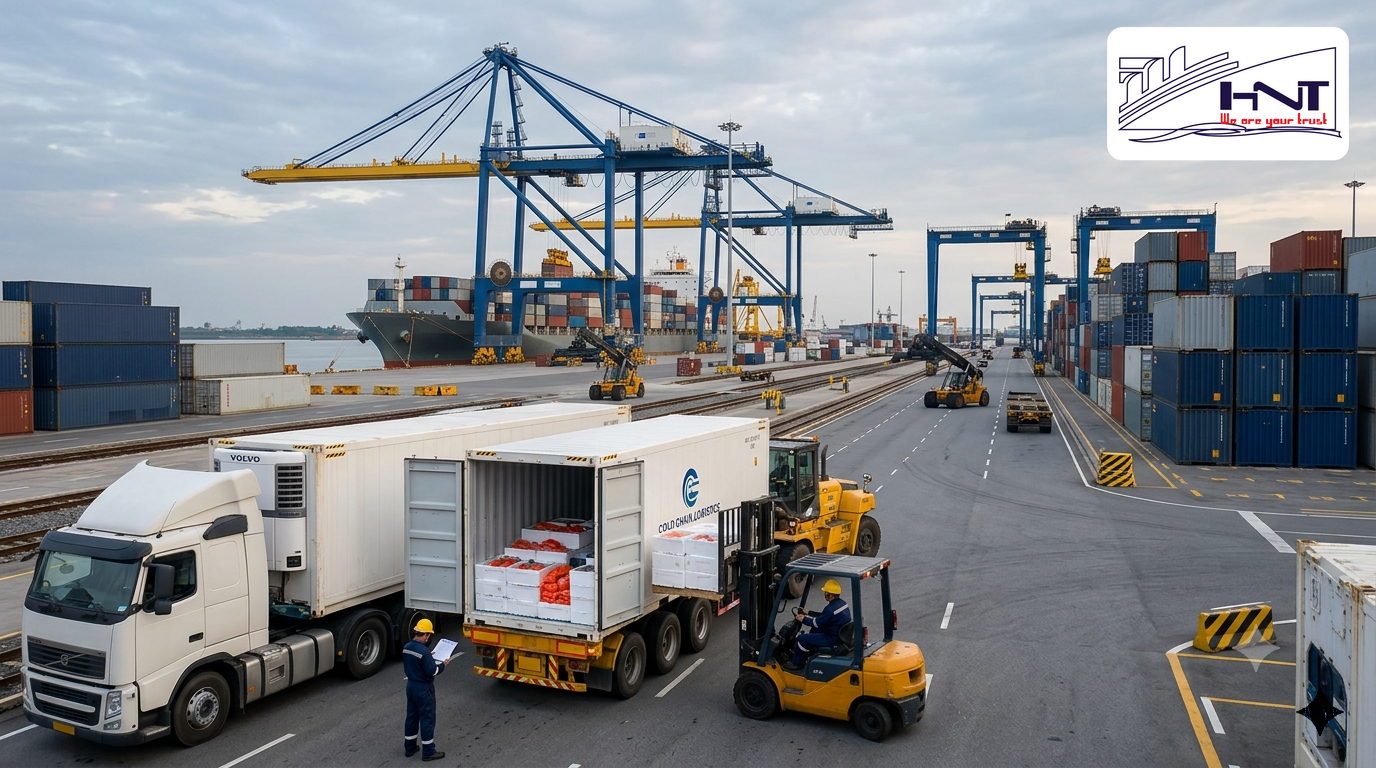
Preparation stage and container loading plan at the export warehouse
The warehouse must inspect the condition of the container before loading. Observe the floor, walls, strange odors, holes, door gaskets, and cleanliness/dryness. Cargo must be arranged according to a load plan, not just based on loading speed. Wooden pallets destined for certain markets must be properly treated.
Container weight control before sealing and gate-in
Confirmed gross weight is a critical safety requirement before the container is loaded onto the vessel. SOLAS regulations require verification of the total weight of the packed container before ship loading. Errors at this stage can result in the container not being loaded or create safety risks.
- Inspect empty containers and take photos of areas prone to disputes.
- Load cargo according to the load plan approved by the warehouse supervisor.
- Dunnage, lash, and label according to the container door opening direction.
- Weigh to confirm gross weight before transmitting data to the shipping line.
- Seal the container and match the seal number with the transport documents.
- Dispatch trucks for gate-in according to the receiving deadlines of the port and shipping line.
| Phase | Person in charge | Documents or data | Control point |
|---|---|---|---|
| Packing | Export warehouse | Packing list | Loading plan |
| Weighing cargo | Chủ hàng | Weight verification | Match actual numbers |
| Customs declaration | Customs broker | Export declaration | Item code and value |
| Drop at yard | Đơn vị vận tải | Delivery note | On-time at yard |
Perform customs procedures and handover container to the shipping line
Documents must be consistent across the declaration, invoice, packing list, contract, C/O when required, and bill of lading. Circular 39/2018/TT-BTC is a document amending the customs procedure regulations in Circular 38/2015/TT-BTC. Enterprises need to review item policies before declaring, especially for goods subject to specialized inspection.
Monitor vessel journey and handle schedule changes during transportation
Monitoring ETA and ETD is not enough. Shippers should record changes in port of call, transshipment, berth waiting time, and requested document amendments. Based on HNT LOGISTICS experience, notifying the consignee early helps them prepare trucks, warehouses, and import procedures before the vessel arrives.
Risks often arising at the destination port and how to limit delivery delays
Common risks include missing original documents, bill of lading data discrepancies, specialized inspection, no pickup schedule, and lack of power for reefer containers. An Khang Furniture Company in Dong Nai hypothetically exported to Hamburg, and the transshipment port was changed. Thanks to the consignee receiving notice four days in advance, the shipment was still booked for a truck on the unloading date.
Tay Fruit Company in Can Tho hypothetically exported refrigerated dragon fruit to Shanghai. Due to preparing a backup power supply plan at the destination port, the temperature was maintained within the set limits even though the delivery schedule was extended by twelve hours.
Practical conclusion: establish a troubleshooting matrix according to three groups: documents, equipment, and vessel schedule; each group must have a decision-maker and a response deadline.
Specialized transportation solutions for reefer containers and project machinery cargo
Reefer containers and project cargo cannot be managed with standard dry cargo processes. One side is at risk due to temperature. The other is at risk due to load, size, and lifting safety. Both require surveys before quoting and before booking the vessel.
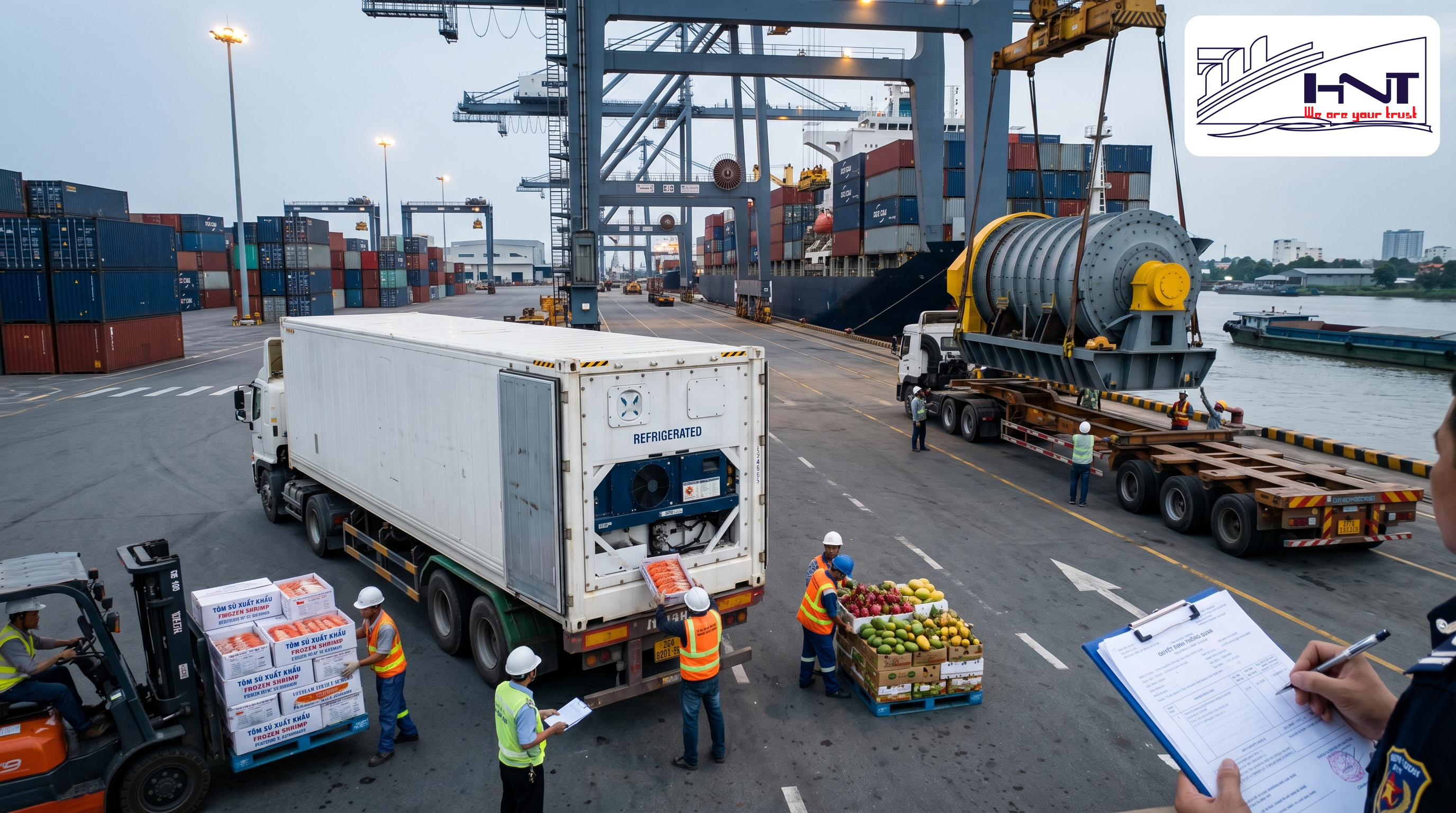
Temperature management and data monitoring for 40RF 45RF reefer containers
Transporting 40RF 45RF reefer containers requires consistency in setting temperature, cargo temperature upon loading, ventilation, humidity, and data logging equipment. Do not reduce temperature too quickly to be 'safe'. Some cargo can suffer cold damage. Shippers should keep a temperature log to handle insurance disputes.
- Pre-cool cargo before loading instead of using the reefer container for initial cooling.
- Place pallets correctly within the loading lines so as not to block the return airflow.
- Check the set temperature on the control panel before sealing the door.
- Attach the data logger at a position representative of the actual cargo temperature.
- Standardize the power supply procedure while waiting at the port of loading and destination port.
- Send temperature handling instructions to the consignee before the vessel arrives.
| Hạng mục | Fresh fruit | Thủy sản đông lạnh | Control point |
|---|---|---|---|
| Temperature | By variety | Usually deep freeze | Do not change yourself |
| Ventilation | May be needed | Usually limited | Avoid heat loss |
| Data logging equipment | Should have | Should have | As evidence |
| Goods before packing | Must be refrigerated | Must be stable frozen | Reduce thermal load |
Requirements for packing and securing high-value or perishable goods
High-value goods need packaging that can withstand vibration, humidity changes, and compression forces. Machinery needs moving parts locked, anti-rust protection, and center of gravity identification. Fragile goods need cushioning, but excessive empty space increases the risk of sliding when the ship rocks.
Shipping plan for oversized and overweight project machinery by sea
Shipping project machinery requires surveying dimensions, weight, lifting points, center of load, and the route from the factory to the port. Hung Phat Equipment Company in Da Nang assumes exporting a 28-ton module to Manila. They choose flat rack containers, use approved lashing diagrams, and avoid disassembly at the port.
Another example, Dai Viet Energy Company in Ba Ria - Vung Tau ships a transformer to Jakarta. Surveying the wharf and lifting equipment before signing the contract helped reduce three days of waiting for specialized vehicles according to the assumed plan.
Coordinate multiple parties to ensure progress for project shipments
Project shipments need a master schedule including the manufacturer, warehouse, lifting unit, road transport, port, shipping line, destination agent, and buyer. Each party must confirm in writing. Just one change in package dimensions can derail the ship plan or lifting plan.
Practical conclusion: do not book project cargo ships based only on dimension tables; need to conduct site surveys and approve lashing diagrams before the goods leave the factory.
Factors determining FCL container shipping costs and time
FCL container shipping cost is the sum of sea freight, surcharges, inland transport, port handling, documentation, specialized inspections, and costs incurred due to delays. A low quote does not mean low total cost. Businesses need to distinguish which parts are fixed and which fluctuate by season.
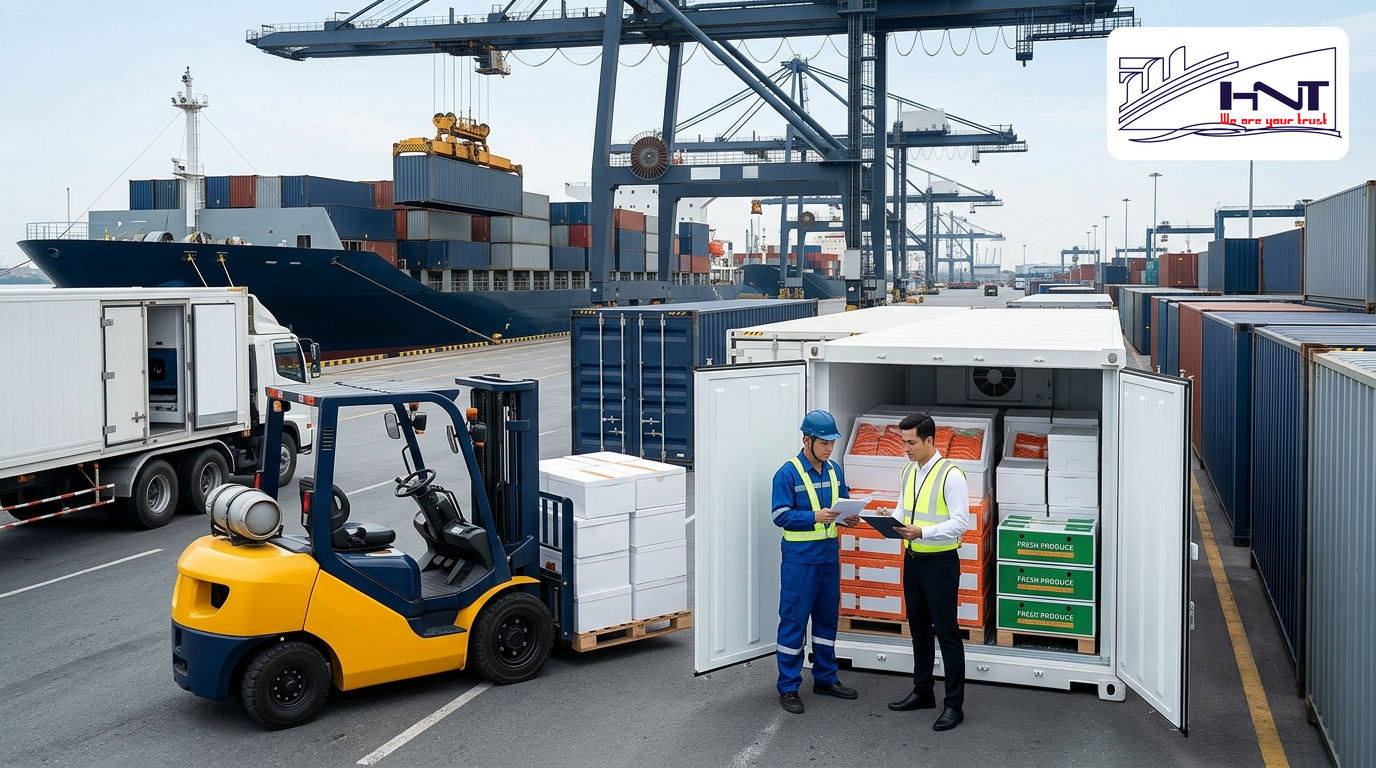
How sea freight, surcharges, and seasonality impact logistics budgets
Sea freight is impacted by vessel space, fuel, container imbalances, and route fluctuations. Drewry recorded the world container freight index rising 3% to 3,549 USD per 40-foot container on June 11, 2026. This is a signal to book early and build a budget margin, not a fixed price.
- Separate sea freight from local surcharges to compare quotes fairly.
- Check price validity periods and conditions for applying peak season surcharges.
- Provision budget for schedule changes or unexpected transshipments.
- Compare costs per container, per ton, and per sales unit.
- Evaluate capital costs when goods arrive later than the commercial plan.
- Do not sign long-term prices without determining a surcharge adjustment mechanism.
| Cost group | Example | Volatility potential | Control method |
|---|---|---|---|
| Sea freight | Main route freight | Infrastructure | Book early |
| Free port | Handling and documentation | Standard-compliant, inspected | Check quotes |
| Inland transport | Empty haulage and gate-in | Standard-compliant, inspected | Confirm vehicle schedule |
| Incidental costs | Storage, container demurrage | Incabable | Manage deadlines |
Impact of shipping routes, transit time, and vessel schedules
Direct routes usually reduce variables but do not always have suitable schedules. Transshipment routes can be cheaper but increase the risk of delays if the transshipment port is congested. Evaluate shipping time based on the actual schedule, not just the advertised number of days.
Why incidental costs often come from the packing stage rather than ocean freight
Incorrect packing creates double costs: having to fix it at the warehouse and potentially missing the voyage at the port. Nam Phuong Wood Company in Binh Phuoc hypothetically had to re-pack because the cargo exceeded the container door height. After standardizing the loading diagram, the business reduced packing time by 30% for subsequent shipments.
How to build a shipping plan to help reduce DEM, DET, and storage fees
Container demurrage and detention fees often arise due to lack of coordination. Hoa Binh Export Garment Company in Ho Chi Minh City hypothetically scheduled cargo pickup according to the vessel arrival date and received warehouse confirmation in advance. This plan helped them avoid paying two extra days of detention fees in the operation example.
Practical conclusion: track vessel arrival date, cargo pickup date, free time, and empty container return date simultaneously; only one tracking table with a responsible person to update.
Criteria for choosing an ocean freight company for long-term FCL shipments
Choosing an ocean freight company is not just based on the price of each shipment. Businesses need to evaluate slot booking capacity, incident response, surcharge transparency, and industry experience. A suitable partner must help reduce volatility, not just send quick quotes.
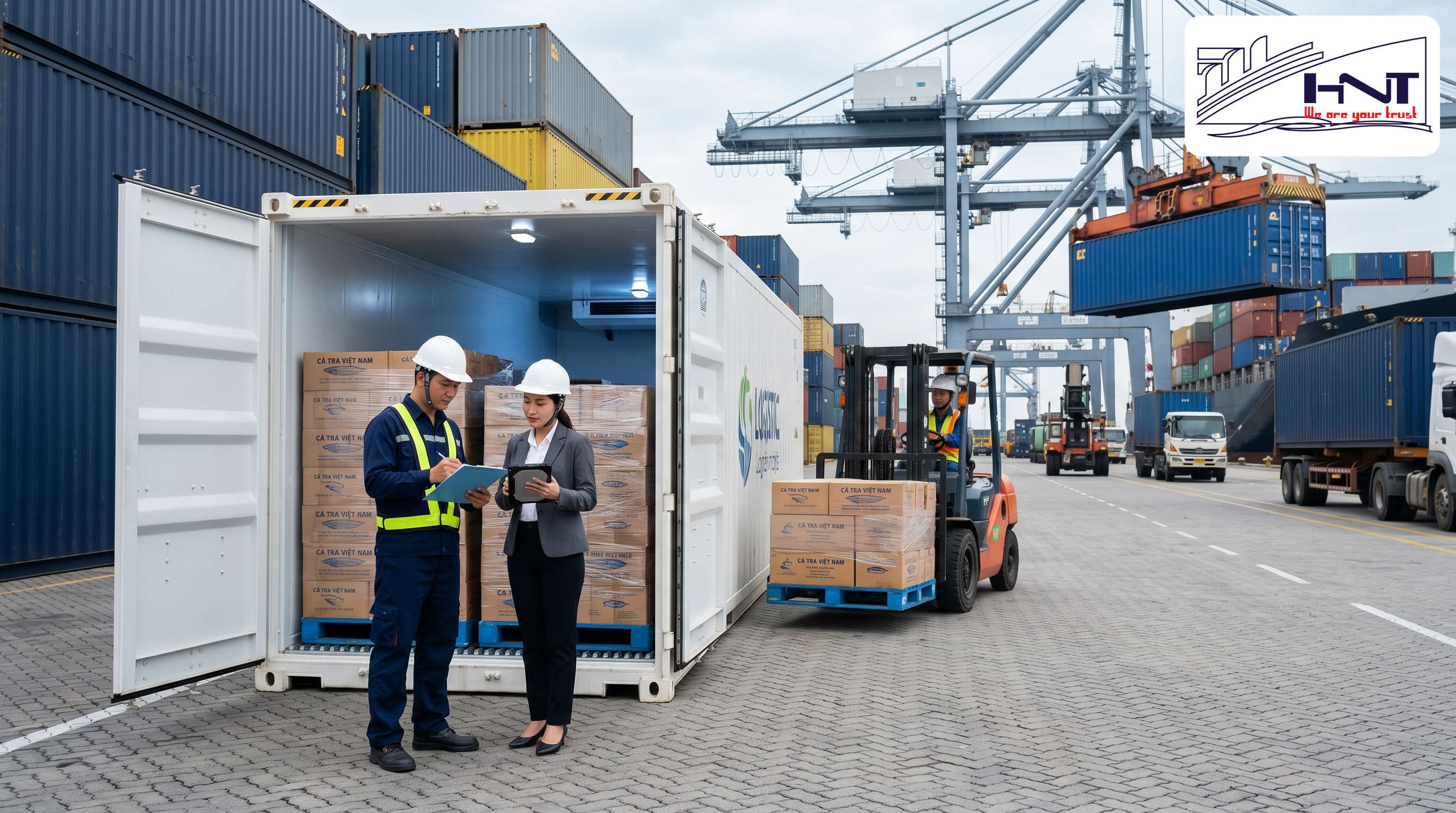
Carrier network capacity and slot booking ability during volatile periods
Ask clearly how many carrier options, alternative routes, and mechanisms the partner has for handling canceled voyages. Reliance on one carrier increases risk during peak season. The partner needs to prove the ability to propose alternative schedules before cargo is delayed.
- Check the number of main routes and alternative routes serving each export market.
- Request the procedure for handling when the carrier cuts space or changes port of call.
- Evaluate response speed using simulation scenarios before signing the contract.
- Compare surcharge tables, free time, and responsibility for notifying changes.
- Check practical experience with cold cargo, machinery, or goods requiring quarantine.
- Evaluate periodic reports on costs, vessel schedules, and on-time delivery rates.
| Criteria | Questions to ask | Positive signs | Risks if missing |
|---|---|---|---|
| Booking | Are there alternative schedules? | Provide two options | Missed voyage |
| Service cost | Which fees are included? | Separate each fee group | Unexpected incidentals |
| Refrigerated | Is there temperature monitoring? | Has a clear process | Quality dispute |
| Project cargo | Is there a load survey? | Has technical drawings | Unsafe |
Ability to provide container booking and door-to-door transportation services
An effective container booking service must connect empty container pickup, inland transportation, customs clearance, port drop-off, and end-to-end tracking. Group ocean freight services to the United States should be checked separately regarding vessel schedule, transshipment time, and delivery conditions at the destination port.
Experience in handling refrigerated containers, project cargo, and special requirement goods
According to experts at HNT LOGISTICS, true capability is shown when a partner asks the right questions: what is the cargo temperature when loaded, does the equipment have lifting points, does the warehouse have a forklift with suitable load capacity, and does the consignee have a plan to receive the cargo? This is how to identify a service provider who understands the business.
Set of indicators to track after each shipment to optimize long-term transportation costs
Enterprises should measure the rate of empty pickup on schedule, the rate of on-time port drop-off, the variance of actual freight costs compared to the budget, container detention days, the rate of vessel schedule changes, and cargo complaints. This data helps in better negotiation for subsequent service purchasing periods.
FCL container transportation only creates an advantage when enterprises manage it as a complete commercial process. Remember six points: choose FCL based on total cost; book according to forecasts; lock in the correct container type; control volume; prepare documents in advance; measure efficiency after each shipment.
- Compare FCL and LCL by total cost instead of just comparing ocean freight.
- Book earlier during the fruit, seafood, or peak export season.
- Check total weight and loading diagram before sealing the container.
- Manage temperature with data, not just by taking photos of the control panel.
- Conduct technical surveys before transporting oversized machinery project cargo.
- Track DEM, DET, port storage, and vessel schedule changes through a single point of contact.
HNT LOGISTICS is a reputable forwarding and logistics partner for enterprises exporting agricultural products, seafood, and fresh fruit nationwide. When an FCL plan needs to combine booking, cold chain control, or project cargo coordination, businesses should build plans based on each route, each season, and specific trade constraints.