In the modern world, the transportation of goods is one of the indispensable factors for maintaining the flow of the economy. In this, the method of cold chain transportation appears as a protective belt for perishable products. The regulations regarding this cold chain transportation are not merely about moving goods from one location to another but also require precision in every detail. Maintaining a stable temperature throughout the journey is a prerequisite for ensuring quality and safety, for foods like vegetables or fruits, which even the most talented artist in the kitchen cannot restore if not preserved properly.
Process transport refrigeration
Cold chain transportation is not just a simple activity but also requires strict adherence to a rigorous process. From preparing the goods to monitoring the temperature throughout the journey, every step can directly affect the quality and shelf life of the product. Below are the basic steps and detailed procedures in cold chain transportation that businesses often apply.
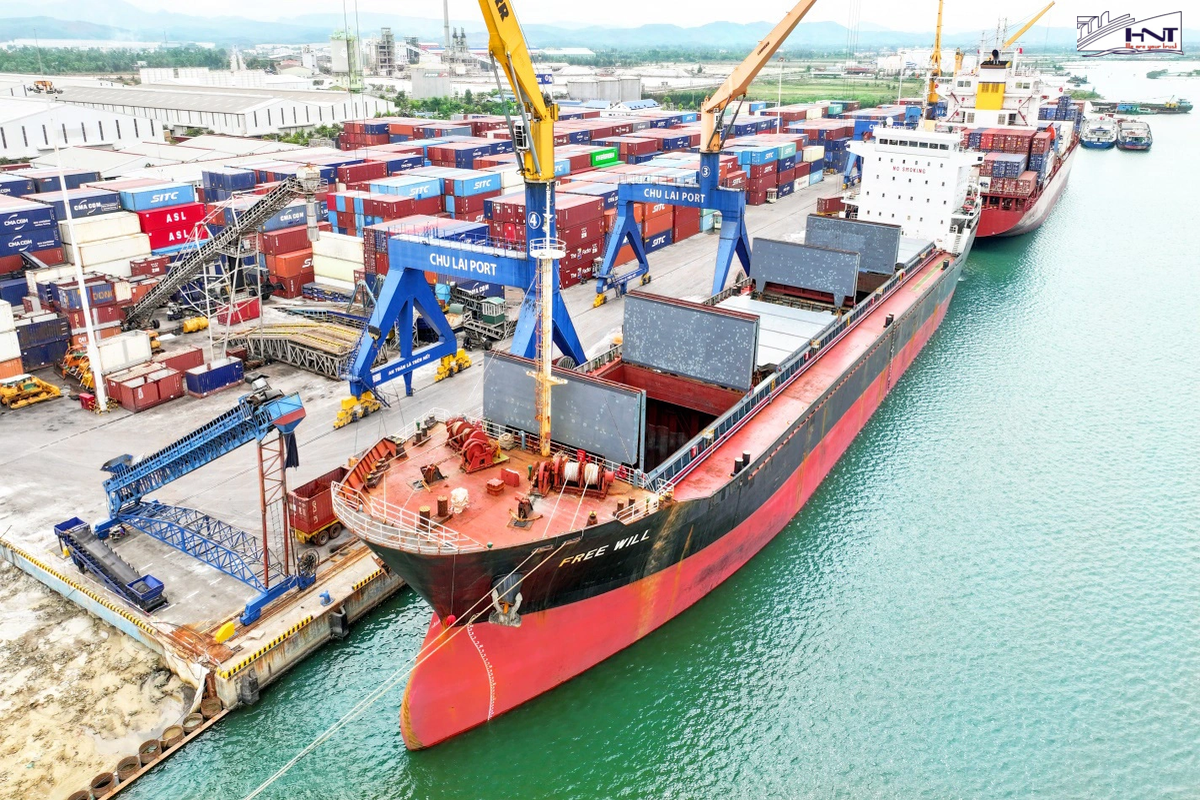
Process transport refrigeration
How to transport cold goods – Preparing the goods
Before entering the transportation process, preparing the goods is very important. This step not only ensures that the goods are ready but also helps to minimize risks during transportation. Specifically, the goods need to be cooled to the corresponding set temperature, which helps to minimize the temperature difference when the goods enter the refrigerated container.
- Fresh food: Temperature needs to be maintained between 0°C – 4°C.
- Frozen food: The ideal temperature is below -18°C.
- Pharmaceuticals: Temperature is very important, usually in the range of 2°C – 8°C.
Pre-cooling before transportation not only helps to preserve the goods but also limits bacterial growth, extending the product's lifespan until it reaches the consumer.
Checking the refrigerated container
Before loading the goods, businesses need to inspect the refrigerated container. This step cannot be skipped, as it directly relates to the efficiency of the entire transportation process. The container must be checked for condition and cleanliness at least a few hours before transportation.
- Check the operational capability of the cooling system.
- Identify any gaps that could allow hot air to enter.
- Ensure the space inside the container is not contaminated by any foreign substances.
A refrigerated container acts as a frozen box, holding the value of the goods. The safety of the goods depends on whether the container is of sufficient quality, so inspection is essential.
Packaged goods
One of the next phases is the packaging stage. This is not just a matter of aesthetics but also determines the quality of preservation. Goods must be carefully packed and ensure that there are no fragments or obstructions that hinder the cold airflow.
Use specialized packaging materials: Plastic boards, foam boxes, or insulated cartons.
Do not exceed the limit: Goods should not exceed the red line in the container to avoid blocking the cold airflow.
The loading process
When entering the loading stage, businesses need to pay attention to how goods are stacked in the container. Every action must be performed precisely, avoiding stacking or blocking the cold airflow.
- Goods must be spaced 20 cm apart to ensure cold air can circulate to every corner of the container.
- Seal the cold welding equipment tightly to limit heat escape.
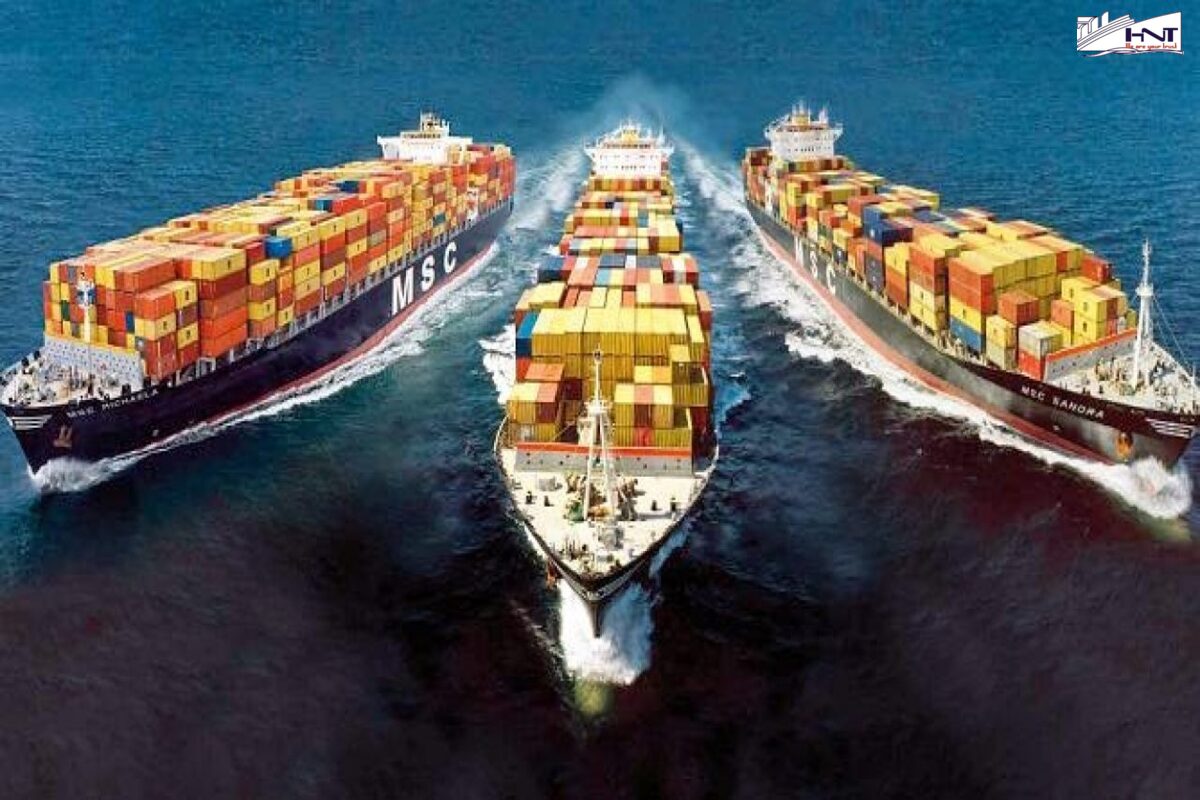
The process of arranging goods is indispensable.
Temperature monitoring
Throughout the transportation process, temperature monitoring is essential. The temperature in the container needs to be monitored continuously to ensure it does not exceed the safety limits for the goods. Temperature recording devices are usually equipped in the container to ensure effective control.
Automatic temperature monitoring devices: Provide real-time information about the container status.
Troubleshooting measures: In case the temperature reaches an alarm threshold, an immediate plan is needed to prevent damage.
Unloading goods
Finally, when the goods arrive, the unloading process is equally important. Goods need to be handled gently to avoid damage. The time the goods are exposed to the outside temperature should also be limited to a minimum, especially for food and pharmaceuticals.
Unloading time should not exceed 30 minutes: To avoid reducing product quality.
Check the condition of the product before delivery: Ensure that no products are damaged.
Benefits of Cold Chain Shipping
Cold chain transportation not only aims to preserve goods but also entails many other benefits that businesses can exploit.
Cold chain transportation – Enhancing service quality
Service quality in the cold chain shipping industry is very important. By maintaining stable temperatures and controlling product quality, businesses can build trust from customers. When customers feel secure with their products, they are willing to return to use the service. A study from Nielsen shows that 67% of consumers are willing to pay more for services they trust.
Minimize waste
Perishable goods can become a source of waste if not stored properly. In the food industry, from vegetables to seafood, cold shipping helps reduce spoilage rates, thereby saving costs for businesses as well as consumers.
- Reduce spoilage rates: Cold temperature storage helps almost all types of food maintain their original quality.
- Cost optimization: No need to recycle or dispose of damaged goods, saving material and transportation costs.
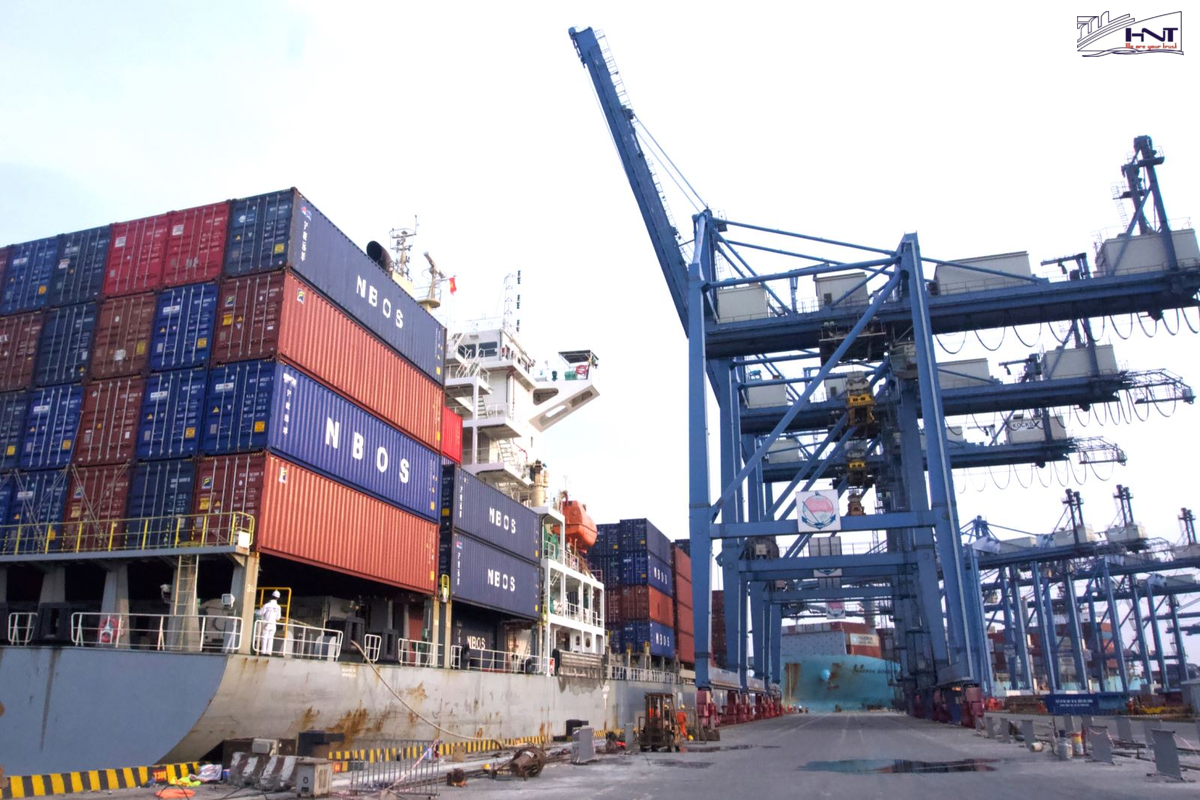
Cold shipping helps avoid waste
Increase competitiveness
Every business wants to have a competitive advantage in the market. Providing regulated cold shipping services can be a huge plus for customers. When customers know their products will be shipped correctly, they will choose your service over other competitors. A survey from MarketResearch shows that for businesses that take care of product and service quality, the rate of repeat customers is up to 80%.
Conclusion
Regulations on cold shipping are not just a process but also an art. It is a combination of technology, science, and the dedication of those working in the industry. From preparing goods to monitoring temperatures, every step is performed with care and meticulousness. The development of the cold shipping industry not only helps protect valuable assets but also contributes to the sustainable development of the economy. When you look for a reliable service, remember businesses like https://hntshipping.com.vn/, where we provide the best solutions for your cold shipping needs. Save your products, ensure quality and provide trust – that’s the promise of cold chain logistics.