


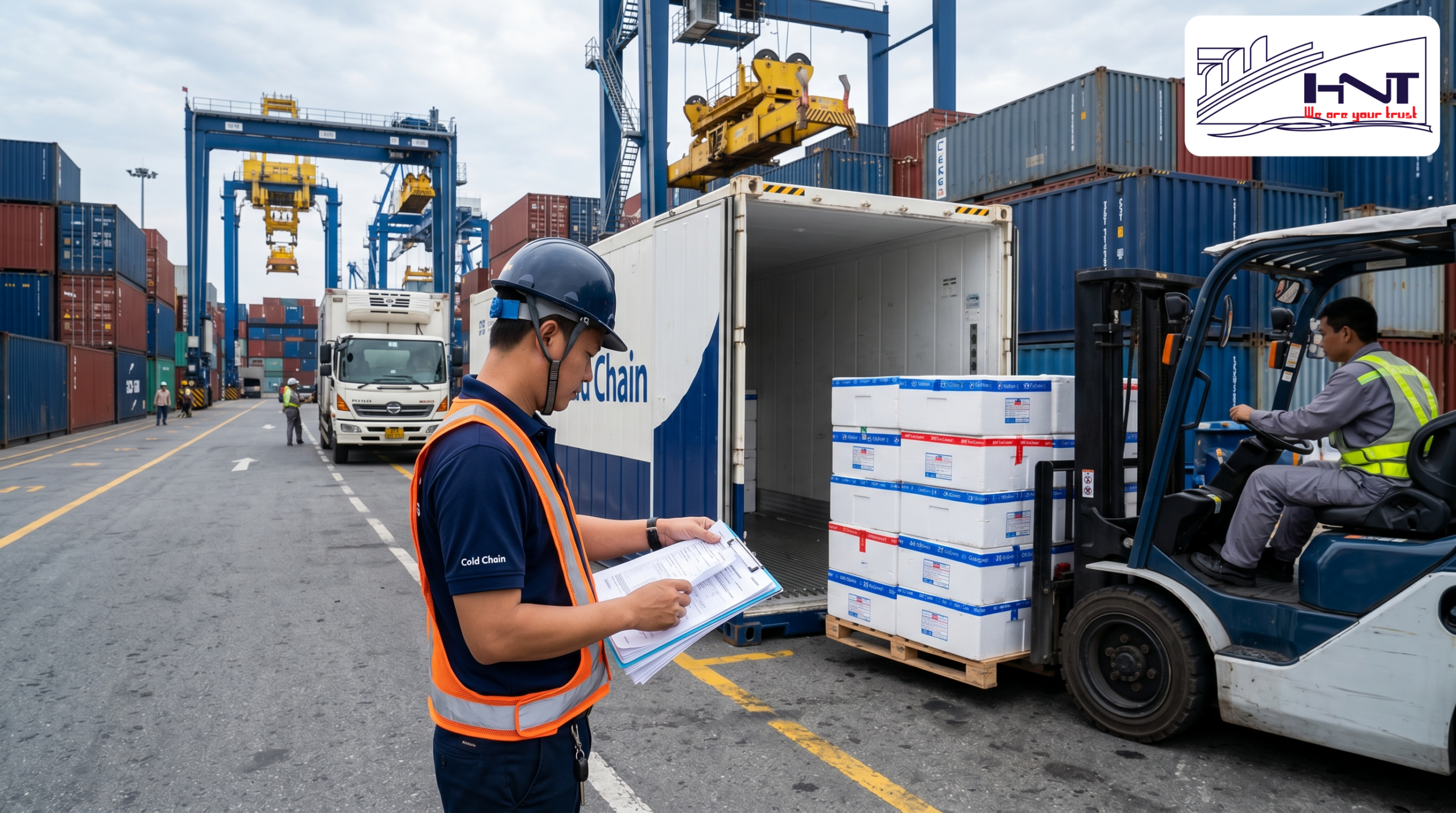
What is cargo insurance is a question that only becomes urgent when the container has left Cat Lai Port, goods are wet, or L/C documents are rejected by the bank. Businesses need to finalize the insurance scope before finalizing price, sailing schedule, and delivery terms.
In 2026, Vietnam's seafood exports reaches about 11.3 billion USD, an increase of more than 12% compared to the previous year. In the first four months of 2026, the industry continues to reach about 3.656 billion USD. Container freight rates also fluctuated strongly in June 2026, making the risk value per shipment no longer as low as initially estimated.
This article helps businesses understand what cargo insurance is, choose appropriate clauses, coordinate L/C payment, control documents, and handle claims. The focus is on protecting cash flow for agricultural products, seafood, and temperature-controlled goods.
Situations where businesses should buy Cargo Insurance right from contract negotiation
Cargo insurance must be negotiated together with selling price and Incoterms conditions. Do not wait until the sailing schedule is available. Risk does not only come from sinking ships. Goods may be damaged during transshipment, refrigerated containers may lose power, or goods may be refused upon delivery.
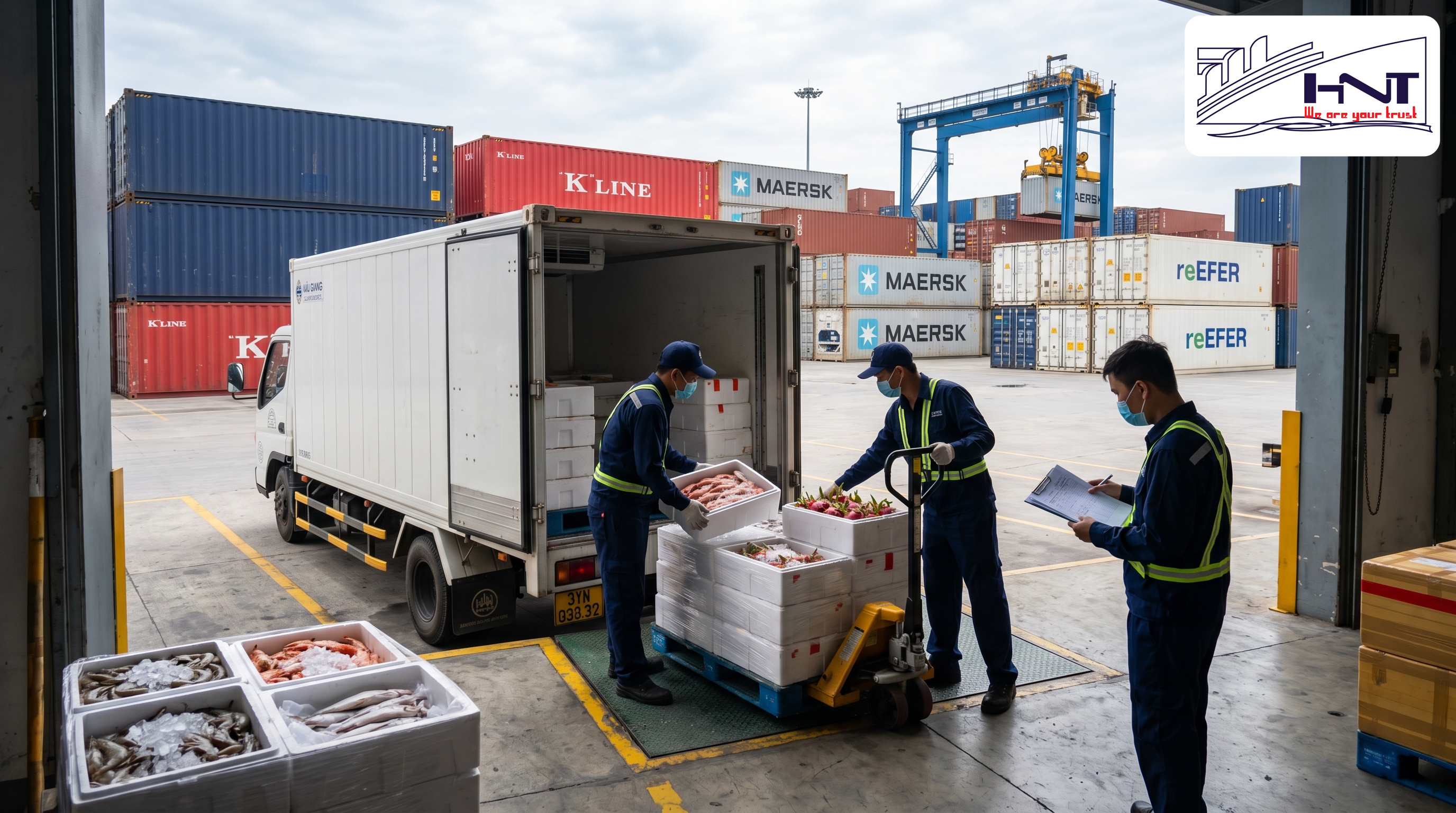
Signs of high-risk shipments despite low transportation costs
Low freight does not mean low risk. Shipments with many transshipment points, long port storage time, or routes through unstable regions need separate assessment. Fresh goods, frozen goods, and high-value goods are more likely to suffer losses greater than freight costs.
- Goods passing through multiple transshipment ports increase the risk of breakage, mold, and temperature deviation.
- Reefer containers require tight temperature control, continuous monitoring of generators and temperature logs.
- Deferred payment shipments can cause material losses accompanied by cash flow pressure.
- Routes with frequently changing schedules prolong storage time and increase the risk of container storage fees.
- Goods packaged with poor moisture-absorbing materials are easily damaged when condensation occurs during sea transit.
| Sign | Main risks | Scope to consider |
|---|---|---|
| Sea freight for fresh goods | Cold chain breakage | Wide clauses and expanded refrigeration equipment coverage |
| Multiple transshipment points | Per-shipment loss | All-risk coverage suitable |
| High-value goods | Insufficient insured amount | Insurance based on CIF value plus margin |
| Volatile routes | Transit delays | Consider war and strikes |
Example, Mekong Fruit Company in Tien Giang exported a 40-foot dragon fruit container to Shanghai. Freight was 180 USD cheaper than the direct route. However, the ship transshipped at Ningbo. The business bought cargo insurance with broad clauses and avoided disputes when three pallets were affected by condensation water.
Another example, An Phu Wood Company in Binh Duong sent a full container to Rotterdam. Fixed freight made them complacent. When the transshipment port was congested, the goods were stored for an additional 11 days. Insurance did not cover late delivery penalties, but helped the business clearly identify the covered physical losses.
Practical tips: build a risk scoring table based on cargo value, transit time, temperature sensitivity, and number of transshipments. High scores should trigger insurance quotation requests before signing the purchase contract.
How to determine whether buyer or seller is responsible for insurance under delivery terms
Insurance responsibility must be read together with Incoterms and contracts. With CIF or CIP, the seller usually arranges minimum insurance coverage under agreed terms. With FOB, FCA, or EXW, the buyer usually proactively purchases insurance after risk transfer.
Do not confuse who pays with who bears risk. The seller may pay sea freight, but risk has already transferred to the buyer at another point. The contract should clearly state the insured party, route, scope, deductible, and obligation to report loss.
Why many businesses only discover missing insurance when losses occur
Many businesses only look at the insurance certificate without reading the clauses. Common mistakes are insurance starting after the shipping date, incorrect goods description, or exclusions for losses due to improper packaging. When surveying occurs, small details become grounds for denial.
From real-world operational experience, lack of insurance usually comes from three gaps: the sales team finalizing Incoterms, the documentation team issuing the B/L, and the operations team booking vessel space without a single person responsible for overall control.
The relationship between cargo insurance, L/C payment, and documentary obligations
Understanding what cargo insurance is is not enough. Businesses must understand that the insurance certificate is a document the bank checks during L/C payment. The bank only reviews the surface compliance of documents. The bank does not assess whether the actual cargo is safe or not.
HNT LOGISTICS recommends locking insurance data, commercial invoices, bills of lading, and letters of credit into a version control checklist table. This approach reduces errors in beneficiary name, effective date, and insured amount before the document set is presented.
Selecting cargo insurance packages based on shipment value and risk level
What is cargo insurance from a procurement perspective? It is a mechanism to transfer part of the financial risk to an insurer within an agreed scope. The cheapest package is not always the right one. The scope must match the type of goods, route, and the company’s risk tolerance.
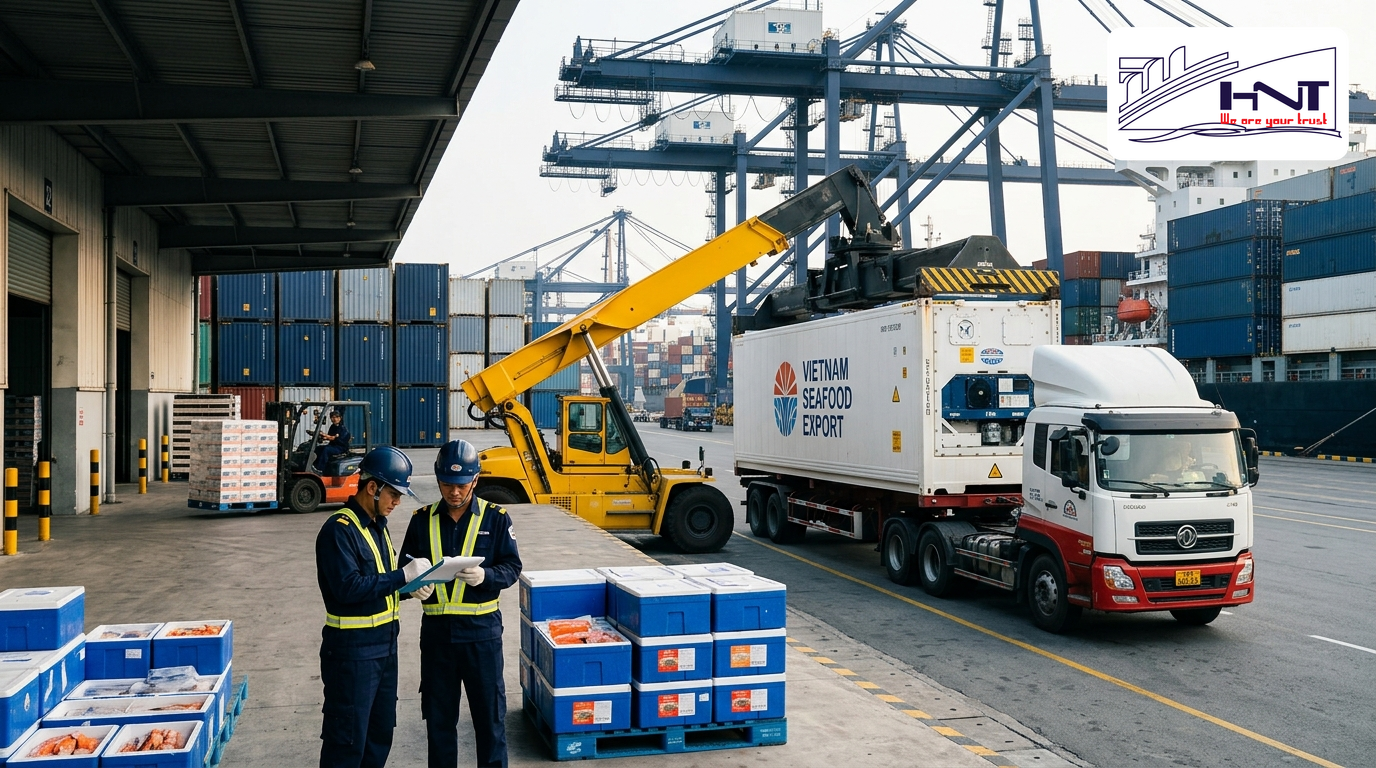
When should ICC A be chosen instead of ICC B or ICC C
ICC C is narrower, suitable for less sensitive goods and simple routes. ICC B adds some natural risk coverage. ICC A has a broader scope but still includes important exclusions. Frozen seafood, fresh fruit, and high-value equipment often require ICC A with appropriate additional clauses.
| Terms | Suitable | Notes for checking |
|---|---|---|
| ICC C | Dry goods, low risk | Narrow scope |
| ICC B | Goods at risk of seawater exposure | Not a substitute for ICC A |
| ICC A | High-value goods | Read exclusions carefully |
| Cold clause | Seafood, fruits | Temperature log required |
How to read exclusion clauses before signing an insurance application
Read the exclusions before the benefits. Clauses often exclude losses due to improper packaging, delays, natural shrinkage, intentional acts, and known unseaworthiness. For refrigerated goods, also check for power outages, refrigeration failure, and container operating conditions.
War insurance, strikes, and easily overlooked surcharges
War risks, strikes, and civil unrest are not automatically included in basic coverage. When routes pass through potentially disrupted areas, businesses must clearly ask about surcharges and validity periods. Freight volatility on Asia–Europe routes in June 2026 shows that schedules should not be assumed to always remain stable.
How to calculate insured value to avoid underinsurance or overinsurance
Insurance coverage is usually based on CIF value plus an agreed margin percentage. It should not rely solely on invoice value. Freight, insurance premiums, related costs, and a reasonable profit margin must be included. Underinsured policies may result in proportional compensation.
- Determine goods value based on the commercial invoice and the payment currency stated in the contract.
- Add freight charges, route surcharges, and any incurred costs within the agreed delivery terms.
- Check the markup rate, typically covering handling costs and a reasonable profit margin.
- Compare the insured amount with the minimum requirements stated in the letter of credit or sales contract.
- Request written confirmation of deductible levels for each type of potential loss.
For example, Bien Ngoc Seafood Factory in Ca Mau exports frozen shrimp to Osaka using a 40-foot container. The company selects broad coverage, extends refrigeration risk protection, and requires temperature logs. After a power failure incident while waiting at the berth, temperature data helped speed up the inspection process conclusion.
Another example, Central Highlands Coffee Company in Dak Lak sells under CIF to Hamburg. The invoice value is 220,000 USD but the insurance amount only states 220,000 USD. When a loss occurs, freight costs and margins are not fully reflected. This is a pricing error, not the insurer's fault.
Practical tips: Request quotations under three options ICC C, ICC B and ICC A. Then compare the premium differences with the maximum loss level the business can self-insure.
Coordinate Cargo Insurance with payment methods to reduce cash flow risk
L/C payment and insurance must operate as a documentary system. If the insurance is correct but issued with the wrong name, wrong date, or wrong amount, the bank may still raise discrepancies. Businesses need to check the letter of credit before requesting issuance of the certificate.
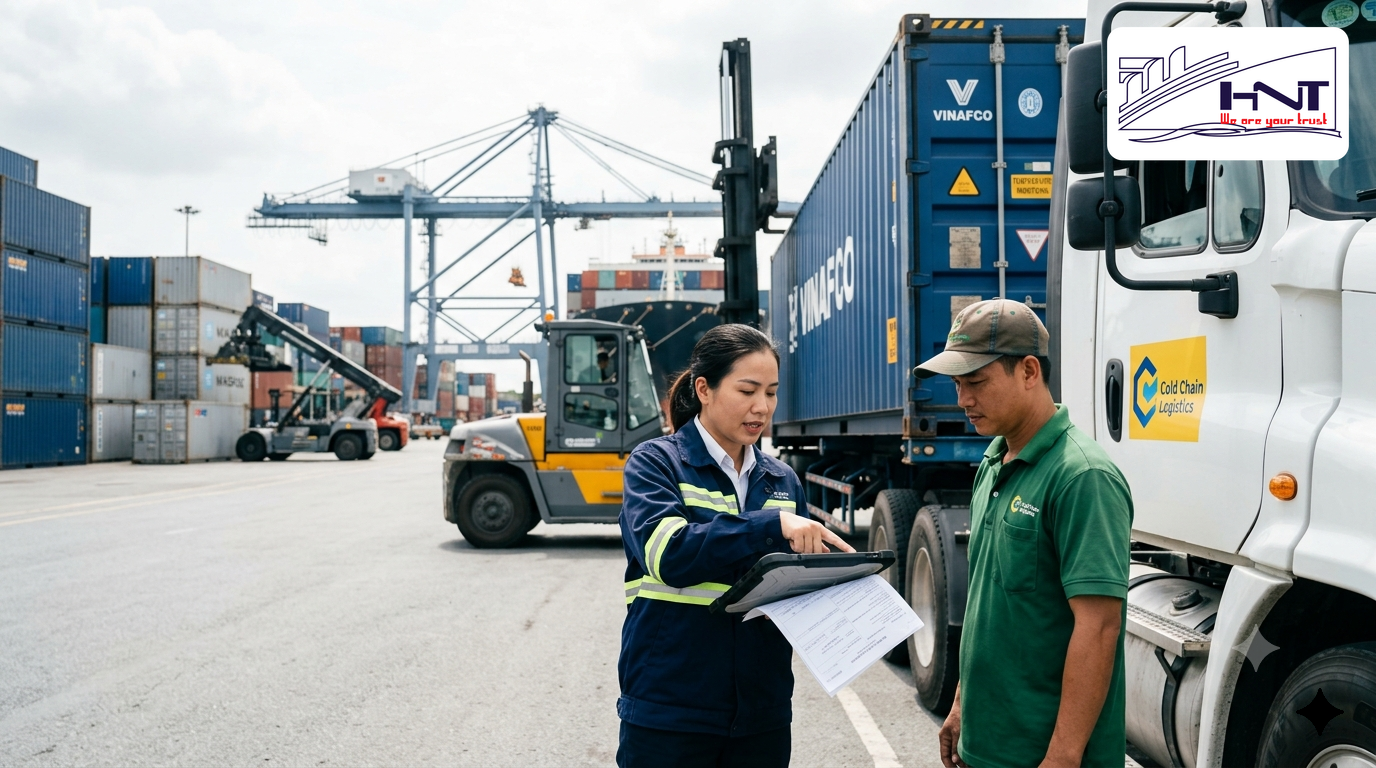
Insurance document requirements in L/C payment
In L/C payment, the letter of credit may require an insurance certificate or original insurance policy. The document must show the insured party, currency, insured amount, route, and appropriate risks. The issuance date must not create any insurance gap before the shipment date.
The ICC 600 rules of the International Chamber of Commerce are a common reference framework for documentary payments. However, businesses must not assume. The specific terms of each L/C determine whether the document set is compliant.
Errors in the Insurance Certificate that cause document sets to be rejected
Common errors include incorrect beneficiary name, missing endorsements when required, insured amount lower than required, cargo description inconsistent with the invoice, or effective date after shipment date. Minor errors can delay payment by many days, especially when the buyer is in a commercial dispute.
Comparison of risk control levels between L/C and documentary collection method
Documentary collection method has lower banking costs, but the level of payment control is usually lower than L/C. Banks in collection mainly transfer documents according to instructions. The bank does not commit to payment as the issuing bank in an L/C does. Therefore, insurance cannot replace credit assessment of the buyer.
| Criteria | L/C payment | Documentary collection method |
|---|---|---|
| Bank commitment | Conditional | No payment commitment |
| Document risk | High if discrepancies | Lower in inspection |
| Cost | Higher | Lower |
| Suitable | New customers, high value | Regular customers, good credit |
Synchronizing the timing of insurance issuance with shipping and payment schedules
Issuing insurance after the goods have been shipped is a major risk. Finalize data before the estimated ETD, then recheck when the B/L is issued. If the vessel changes route or transshipment port, assess the impact on the insurance itinerary and document presentation period.
- Review each insurance requirement in the L/C before booking the vessel and issuing shipping instructions.
- Lock in goods name, vessel name, departure port, destination port, and beneficiary using the same data source.
- Require issuance of documents before or on the shipment date as specified by the L/C terms.
- Compare insured amount with invoice, freight, and the additional percentage required in the L/C.
- Create a discrepancy checklist to fix documents before the bank presentation deadline.
For example, Dien Hoa Phat Company in Dong Nai exports components to Long Beach. The L/C requires insurance amount at least 110% of CIF value. The documentation team issued without including ocean freight. The bank raised discrepancies, causing the company to spend four days to amend.
Another example, My Xuong Mango Cooperative in Dong Thap sells mangoes to South Korea under documentary collection. Because the buyer is a regular customer, they use collection but still buy broad insurance for refrigerated containers. This decision protects the physical goods but does not eliminate the risk of the buyer delaying document acceptance.
Practical tips: Designate a final approver for the document set, responsible for cross-checking the L/C, insurance certificate, invoice, and bill of lading before submission to the bank.
Process of purchasing cargo insurance from pre-shipment to receipt of goods
What is cargo insurance in the operational workflow? It is a data chain that must be controlled from quotation to delivery. An accurate insurance policy must align with the contract, transport schedule, goods type, and documentation instructions.
Checklist to prepare before requesting an insurance quotation
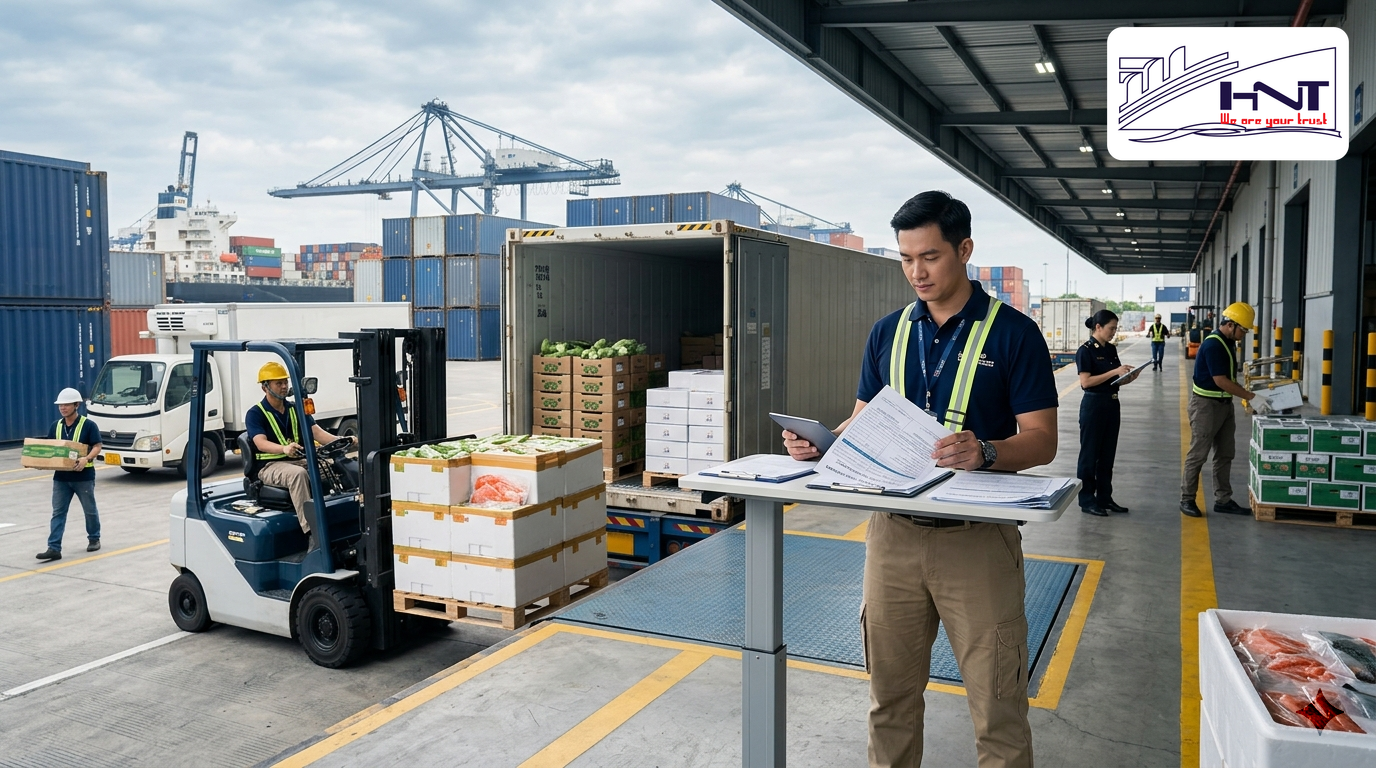
Businesses need to prepare contracts, expected invoices, delivery terms, goods descriptions, packaging specifications, transport routes, and delivery schedules. For cold chain goods, add set temperature, container type, ventilation requirements, and temperature monitoring equipment.
- Define Incoterms conditions, risk transfer points, and the party responsible for purchasing insurance.
- Provide goods value, currency, estimated freight, and additional coverage amount required.
- Correctly describe product codes, number of packages, weight, packaging method, and storage conditions.
- Clearly state transport method, port of departure, destination port, transshipment points, and transit time.
- Specify L/C requirements, beneficiary, and additional clauses required in documents.
Information to verify before confirming the insurance policy
Before confirmation, check buyer, seller, insured party, route, amount, terms, deductible, and effective date. In particular, the product name must match the commercial invoice. Too general descriptions may create gaps during inspection.
Monitoring insurance validity throughout transportation
Insurance should not be considered complete once the vessel departs. Monitor ETA, transshipment, port changes, and container status. If goods are stored, rerouted, or transport mode changes, notify the insurer immediately for written guidance.
Common errors when declaring value and product type
Errors often occur when staff use outdated quotation data, ignore surcharges, or use commercial names that do not match HS Code. For food products, clearly state frozen status, temperature, and quarantine requirements. Do not use abbreviated descriptions when L/C documents require details.
| Records | Purpose | Matching points |
|---|---|---|
| Contract | Define responsibility | Incoterms and price |
| Invoice | Define amount | Product name and currency |
| Bill of lading | Define route | Port and delivery date |
| Insurance certificate | Proof of coverage | Beneficiary and terms |
For example, Dalat Vegetable Company in Lam Dong exports vegetables to Singapore by air. The initial insurance policy stated “fresh vegetables” but did not specify storage temperature. The company requested adjustment before the flight, ensuring documentation reflected actual conditions.
Another example, Eastern South Electronics Company in Da Nang exports circuit boards to Bangkok. The flight schedule changed to a connecting flight via Kuala Lumpur. The operations team notified early, so the insurance route was updated and no coverage gap occurred.
Practical tips: Maintain a standard data record for each shipment. All departments must use the same batch code, product name, value, and route.
Handling compensation when goods are damaged or lost during transport
What is cargo insurance when an incident has occurred? It is the right to claim compensation, but this right only applies when the business preserves evidence and complies with notification deadlines. The first 24 hours often determine the quality of the later claim file.
Actions required within the first 24 hours after detecting an incident
Immediately upon discovering loss or damage, the business must minimize damage, take photos, preserve the scene where possible, and notify the shipping line, carrier, insurance agent, and related seller or buyer. Do not dispose of goods without inspection instructions.
- Prepare an incident report with the port, warehouse, or freight forwarder immediately upon noticing signs of damage.
- Take continuous photos of packaging, seals, container numbers, damaged goods, and temperature conditions.
- Send written loss notification to the insurer within the time limit specified in the policy.
- Request reservation of carrier claims rights via a letter of protest or appropriate claim notice.
- Retain damaged goods, samples, and documents so that the surveyor has a basis to determine the cause.
Claim dossier required for compensation should be prepared for each case
Basic dossier includes claim form, insurance certificate, contract, invoice, packing list, bill of lading, survey report, and carrier claim letter. For refrigerated goods, add temperature logs, equipment reports, and confirmation from cold storage or port.
Reasons why businesses are denied compensation
Common reasons include excluded losses, late notification, incorrect declaration, improper packaging, failure to preserve rights against the carrier, or lack of causal evidence. This shows that insurance is not an unconditional compensation commitment.
How to shorten survey time and receive compensation payments
Assign a file coordination focal point. Arrange documents chronologically. Allow surveyors to access the container, goods, and temperature data as early as possible. Do not send multiple conflicting versions of documents. A clear dossier reduces the number of additional information requests.
| Type of incident | Priority evidence | First action |
|---|---|---|
| Wet goods | Photos, port report | Preserve the scene |
| Temperature loss | Temperature log | Survey notification |
| Missing package | Delivery note | Prepare shortage report |
| Broken damage | Packaging and goods photos | Send letter of protest |
For example, Blue Sea Food Company in Ca Mau received news that a catfish container arriving in Busan had abnormal temperature conditions. They extracted monitoring data on the same day, prepared a port report, and requested a survey. The dossier was completed within 48 hours instead of taking weeks due to missing data.
Another example, Song Han Interior Company in Da Nang discovered four dented packages during unloading in Sydney. The receiving staff signed the report without reservation. The business still had photos, but its right to claim against the carrier was significantly weakened.
Practical tips: Prepare a “loss response kit” including notification templates, contact lists, field photo guidelines, and letter of protest forms.
Managing insurance costs and post-clearance obligations to optimize shipment profitability
What is cargo insurance in profit management? It is a component of cost of goods and customs data. Businesses need to distinguish insurance costs for commercial purposes, taxable value, and post-clearance inspection dossiers.
When to buy per-shipment insurance and when to use an open cover insurance policy
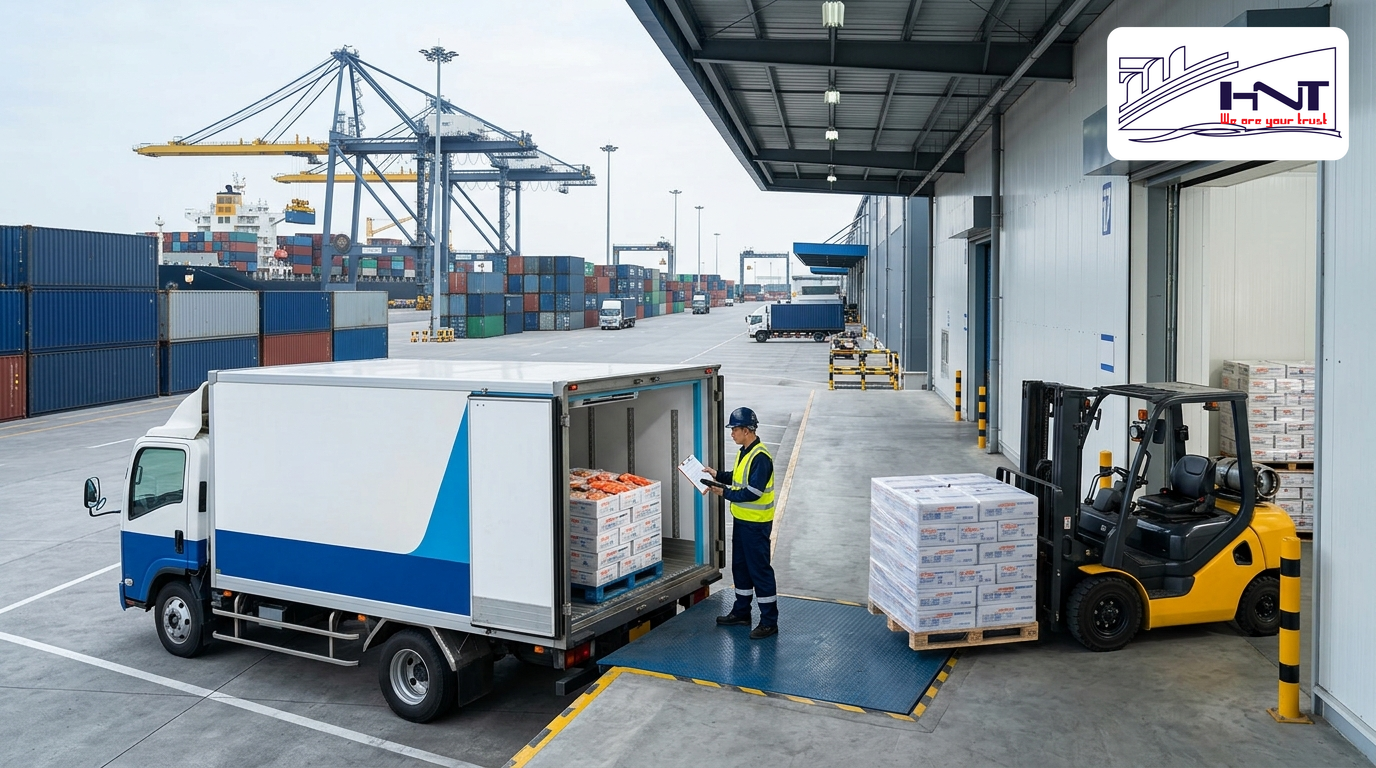
Per-shipment insurance is suitable for infrequent exporters, volatile routes, or high-risk goods. Open cover insurance is suitable for businesses with stable volume, consistent declaration processes, and need to reduce issuance time. However, open policies still require full declaration for each shipment.
How to include insurance costs in import-export cost calculations
Insurance costs should be estimated together with freight, surcharges, packaging, quarantine, cold storage, and L/C financial costs. Do not only calculate insurance fees as a percentage. Compare the fee with the maximum loss level and the impact of delayed payment.
Impact of insurance on customs value declaration and customs tax payment
For imported goods, insurance costs may be a factor in the customs value depending on the pricing terms and supporting documents. Decree 167/2026/ND-CP further clarified the method for determining the customs value of exported goods. Businesses should retain supporting documents to explain declared values and customs tax payments.
Do not automatically add or exclude insurance costs without checking the delivery terms, invoice, and applicable regulations at the time the customs declaration is registered. When there are deferred payments or documents issued later, adjustments should be controlled according to customs authority guidance.
Insurance document storage system for future inspections and settlements
Store by shipment code and link contracts, customs declarations, invoices, bills of lading, insurance certificates, payment documents, and claim files. The system should provide role-based access and change history. This supports settlement, post-clearance audits, and customer dispute resolution.
- Classify records by shipment code, transport route, customer, Incoterms conditions, and insurance period.
- Keep the original or a retrievable electronic copy of the insurance certificate and payment documents.
- Reconcile insurance costs with the cost of goods sold for each order to detect budget variances early.
- Link insurance records with customs declarations, invoices, and documents for post-clearance audits.
- Periodically review loss cases to adjust deductibles, coverage, and packaging procedures.
| Model | Suitable | Benefits |
|---|---|---|
| Per-shipment insurance | Low volume | Flexible by shipment |
| Open policy | Stable volume | Shorter issuance time |
| Digital storage | Multiple departments | Easy record retrieval |
| Quarterly review | High-risk goods | Reduce repeated errors |
For example, Phuoc Thanh Cashew Company in Binh Phuoc exports to Dubai every month. After six shipments, the business switched to an open insurance policy. Issuance time was reduced, but they still maintained a declaration form for each shipment to avoid missing route details.
Another example, Viet Thinh Garment Company in Hai Phong imports materials under CIF terms. The insurance cost appears in the document set, but the finance department did not link it to the customs declaration file. During an internal review, the business spent many hours tracing the records. A storage system organized by shipment code resolved this bottleneck.
Practical tips: design the cost table with separate lines for insurance, risk surcharges, and loss handling costs. Do not combine everything into “logistics costs” because you will not see what is causing profit margins to decline.
What is cargo insurance is not just a fee paid before the journey. It is a tool for managing assets, documents, and cash flow. Export businesses should treat insurance, L/C, and customs as a single control chain.
- Finalize insurance responsibilities as soon as negotiating the Incoterms conditions and selling price with the buyer.
- Choose ICC A, ICC B, or ICC C based on the goods, route, loss tolerance, and L/C requirements.
- Check the name, date, amount, and route on the insurance certificate before submitting the document set.
- Use an L/C for high-risk transactions, but do not consider an L/C a substitute for insurance.
- Report the loss immediately, preserve evidence, and retain the right to claim against the carrier.
- Save links to insurance files, bills of lading, declarations, and payment documents for each shipment code.
Based on HNT LOGISTICS' experience, businesses exporting agricultural products, seafood, and fresh goods should review insurance from the vessel booking stage and monitor temperature data throughout the journey. HNT LOGISTICS is a trusted freight forwarding and logistics partner for Vietnamese exporters nationwide, supporting route assessment, transport documentation, and risk control checkpoints before cargo leaves the port. As a professional transport provider, HNT LOGISTICS is committed to delivering comprehensive supply chain solutions, helping Vietnamese businesses confidently conquer global markets. Contact us today at 8A Hoang Minh Giam, Ho Chi Minh City or via the marketing email at hntshipping.com for quotation support!