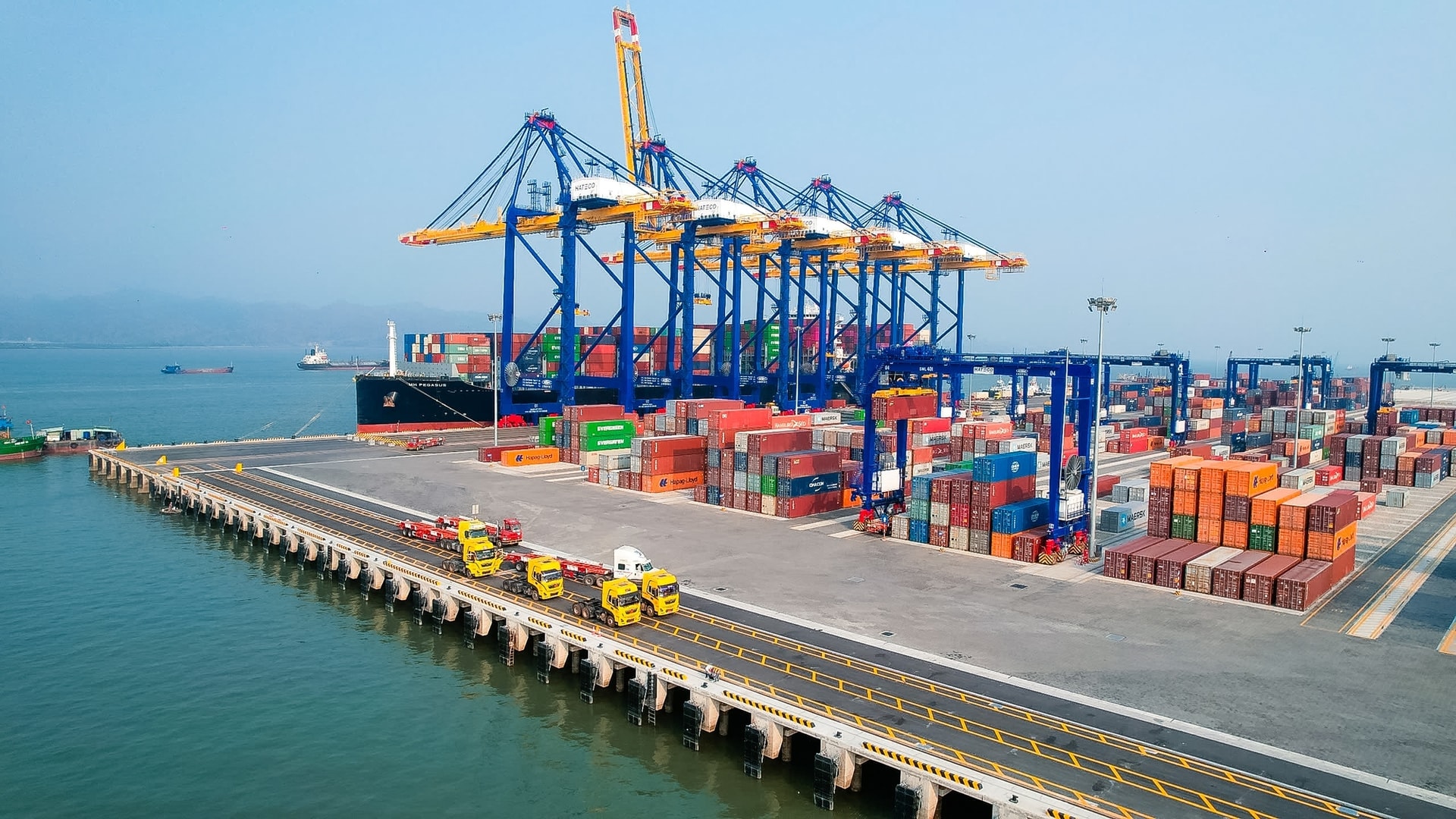
Goods export activity is an important foundation for promoting the Vietnamese economy. To reach international markets, enterprises (DN) need to master the export customs clearance process, strictly comply with customs procedures for exported goods in general, or the specialized requirements of timber export procedures. For businesses wanting to optimize resources, learning about authorized export and the related regulations on export entrustment is an essential solution. This article will help you decode every step in your export journey.
Authorized Export - The Optimal Solution for Businesses
Exporting Entrustment (also known as export entrustment) is a form where a business hires a professional service provider to represent them in performing all export operations. This is a key to expanding the market for new or inexperienced enterprises.
Regulations on Export Entrustment and Core Benefits
The authorized export relationship is established through an entrustment contract, complying with current regulations on export entrustment (Commercial Law, Circular 38/2015/TT-BTC, Circular 39/2018/TT-BTC).
| Role | Key responsibilities in Authorized Export |
| Entrusting Party | Provide information, original documents, pay for goods, and pay fees for authorized export services. |
| Entrusted Party | Put their name on documents (Customs Declaration, Bill of Lading), perform customs procedures for exported goods, and take responsibility for cargo delivery. |
Benefits of choosing authorized export:
- Minimize risks: The entrusted entity takes legal responsibility, ensuring compliance with customs procedures for exported goods.
- Optimize costs: Save on personnel costs and time spent building an operations team.
- Smooth operation: Ensure the export customs clearance process takes place quickly and accurately.
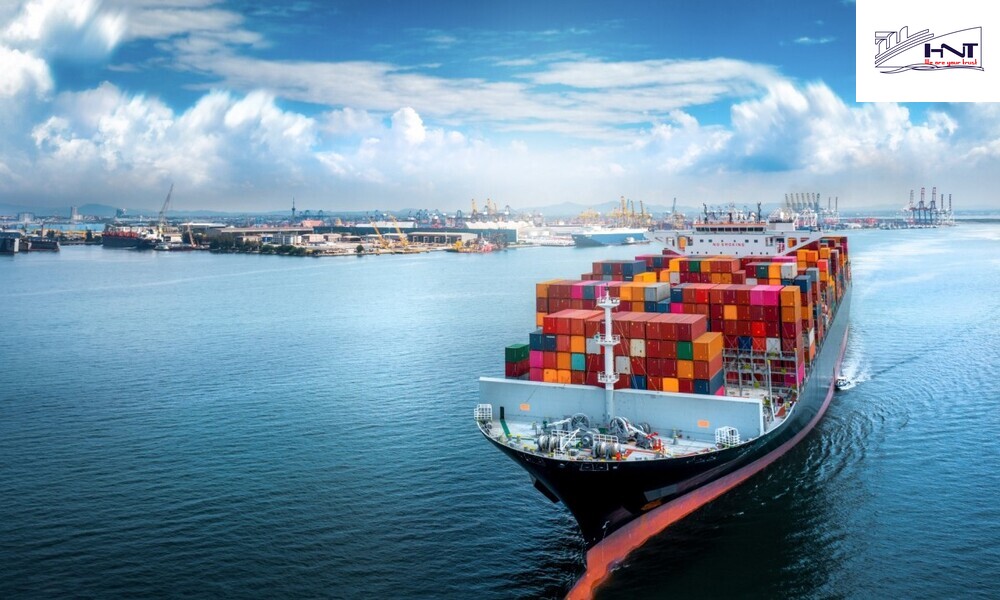
Understanding the regulations on export entrustment helps to clearly define the responsibilities and tax obligations between the entrusting party and the entrusted party.
The Necessity of Authorized Export in Specialized Export
Even for conditional goods (such as wood), authorized export becomes even more necessary. For example, to handle complex timber export procedures, a professional company will ensure full specialized permits (CITES, FLEGT) from the beginning, avoiding interruptions in the export customs clearance process at the port.
Details of the Export Customs Clearance Process
Every shipment must go through the standard export customs clearance process.
Basic Document Preparation
Before declaring, the enterprise needs to prepare a full set of documents, which is the basis for customs procedures for exported goods:
- Sale Contract.
- Commercial Invoice and Packing List.
- Bill of Lading/Air Waybill.
- Documents related to origin and quality: C/O, Phytosanitary/Veterinary Certificate, Specialized permits (if any).
- For authorized export, an Entrustment Contract is required.
Declaring Customs Procedures for Electronic Exported Goods
Transmitting Declaration: The enterprise (or the entrusted party) uses electronic declaration software (VNACCS/VCIS) to fill in information and transmit the declaration. The declaration must accurately reflect the HS code and value of the goods to ensure the transparency of customs procedures for exported goods.
Declaration Channeling: The system automatically assigns channels, determining the level of inspection in the export customs clearance process:
- Green Channel: Exemption from inspection.
- Yellow Channel: Inspection of paper documents.
- Red Lane: Document inspection and physical inspection of goods.
Perform Customs Clearance Procedures at Port/Border Gate
- Physical inspection: If it falls into the Yellow/Red Lane, the enterprise submits original documents for Customs to inspect. The Red Lane requires physical inspection at the designated location – this is the most important step in the export customs clearance process.
- Fulfillment of obligations: The enterprise proceeds to pay taxes and fees (if any).
- Release of goods: Customs confirms clearance. The enterprise performs liquidation procedures at the port gate so that the goods are allowed to be loaded onto the ship (loading) and completes customs procedures for exported goods.

Electronic customs declaration via the VNACCS/VCIS system is the mandatory starting step of customs procedures for exported goods.
Wood Export Procedures and Specialized Requirements
Wood export procedures are a typical example of goods that must strictly comply not only with customs procedures for normal exported goods but also with legal regulations on forest product management.
Mandatory Requirements for Original Wood Documentation
To complete wood export procedures, enterprises must prove the legal origin of the wood, complying with Decree 102/2020/ND-CP:
- Forest product list: Created by the cargo owner, detailing the volume and type of wood. Depending on the origin of the wood, confirmation from the local Forest Protection Department may be required.
- CITES Permit: Mandatory for types of wood belonging to the CITES Appendix (precious, rare wood) – a prerequisite in wood export procedures. If missing, the shipment will be held.
Additional Certificates in the Wood Export Customs Clearance Process
In addition to the above documents, wood export procedures often require other certificates depending on the import market:
- Phytosanitary Certificate: Ensures the goods do not carry pathogens or pests.
- Fumigation Certificate: Mandatory for raw wood, wooden pallets for packaging to prevent insects.
Incomplete preparation of these documents not only slows down the export customs clearance process but can also cause the shipment to be fined, or even re-exported at the destination port.
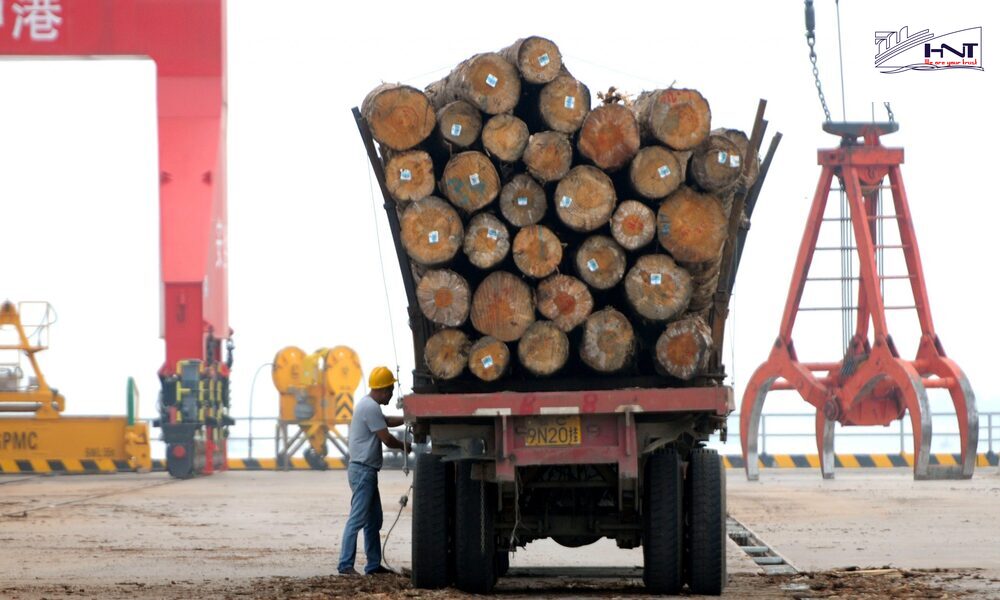
Wood products need to have full legal origin documents prepared, strictly complying with wood export procedures.
Optimizing Operations with HNT Shipping
Understanding the export customs clearance process and regulations on export entrustment is a vital factor. However, performing the steps yourself, especially when facing complex wood export procedures, can overwhelm the enterprise.
HNT Shipping is a professional company providing comprehensive solutions, from entrusted export to handling all customs procedures for exported goods. We commit to:
- Ensure Compliance: Perform customs procedures for exported goods in accordance with regulations on export entrustment.
- Specialization: Proficient in wood export procedures and conditional items.
- Accelerate Clearance: Optimize the export customs clearance process.
Ensure goods are cleared quickly and accurately. HNT Shipping commits to optimizing the export customs clearance process for your business.
Do not let the complexity of procedures hinder your global business opportunities! Contact HNT Shipping now for in-depth consultation on entrusted export services and optimization of your export customs clearance process!
📞 0911.446.060 (Mrs. Contest)
📞 0908.487.986 (Mr. Scenes)
📞 0903.070.300 (Mr. Sweden)
HNT Shipping – Trusted partner, fast customs clearance, safe transportation!
Do not let complex procedures hinder you! Contact HNT Shipping now for in-depth consultation on entrusted export services.
Conclusion
Mastering the export customs clearance process and customs procedures for exported goods is key to successful exporting, especially with complex items like wood export procedures. Entrusted export solutions help businesses effectively comply with regulations on export entrustment, save time, and reduce risks. HNT Shipping is a professional partner, committed to optimizing your entire export customs clearance process.