

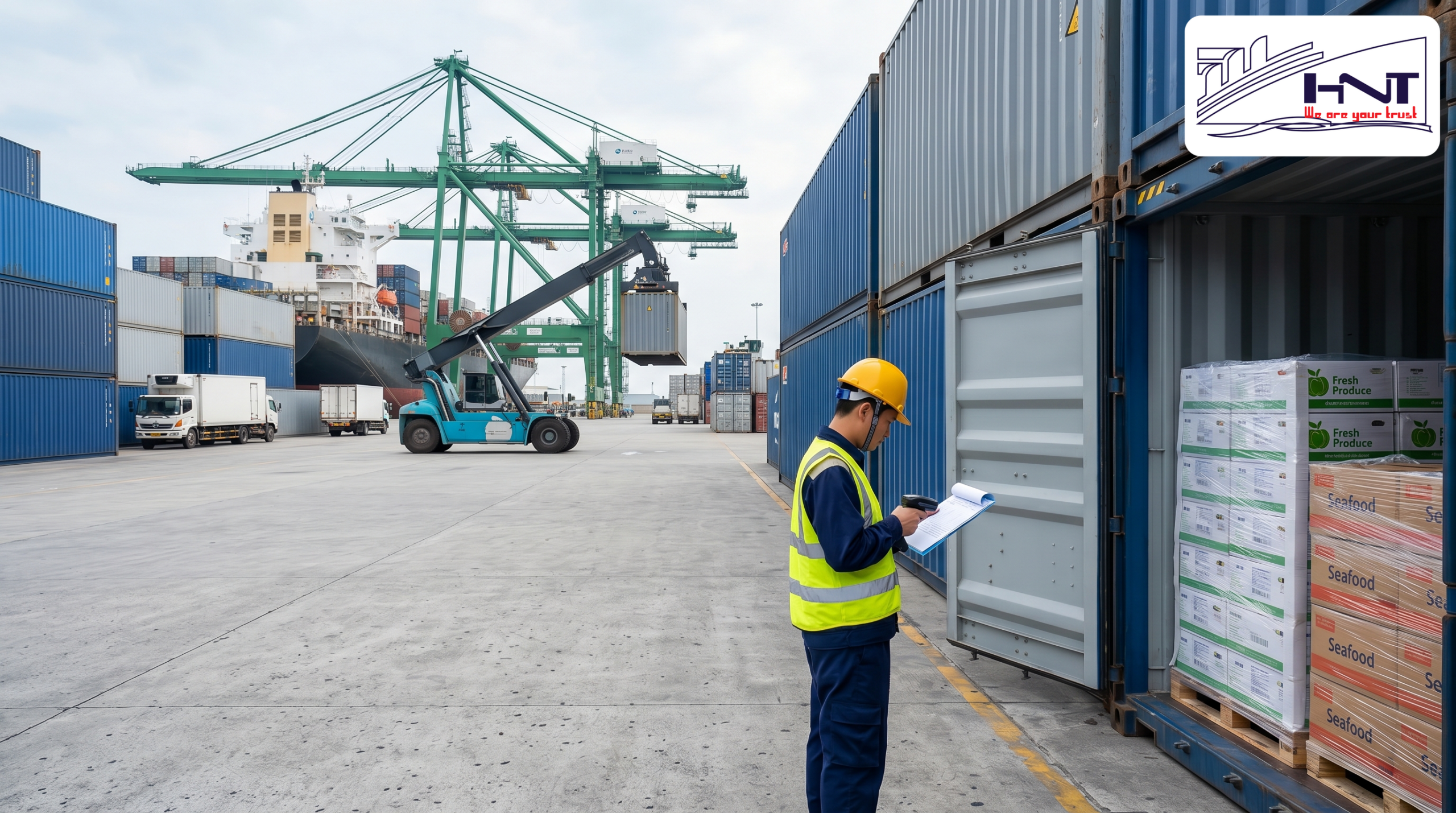
China freight forwarding company directly affects customs clearance time, container storage costs, and the safety of imported goods to Hanoi. Many businesses are experiencing vessel delays, missing documentation, or unexpected DEM/DET charges beyond budget.
According to data from the Ministry of Industry and Trade, Vietnam's trade turnover – China in 2026 exceeded USD 256 billion. Logistics pressure at major ports such as Cat Lai and Hai Phong continues to rise sharply. This requires importers to prioritize logistics partners capable of controlling vessel schedules and handling customs procedures efficiently.
This article will help businesses properly evaluate the criteria for selecting a China sea freight forwarding company to Hanoi. The content focuses on actual costs, customs procedures, container control, and ways to reduce operational risks.
Criteria for evaluating a reputable China freight forwarding company for the sea route to Hanoi
Capability in customs declaration and handling official import documentation
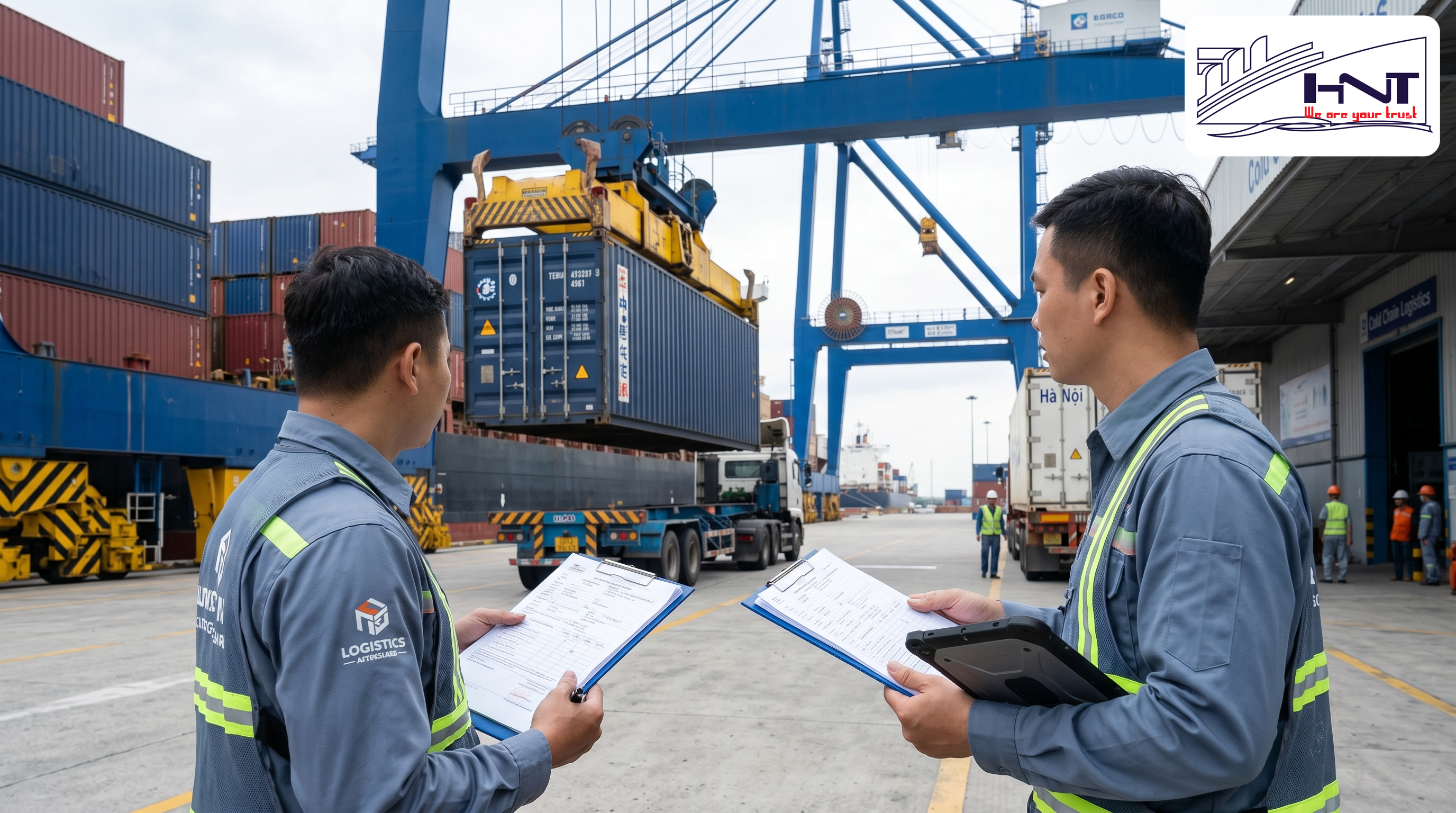
Import businesses often experience customs clearance delays due to incorrect HS codes or missing documents CO Form E. A reputable logistics provider must be able to review documents before the vessel arrives at the port. This helps reduce red channel inspections and avoid additional tax assessments.
According to the regulations of the General Department of Customs, businesses must correctly declare the HS code, CIF value, and proof of origin documents. These factors determine import duty and VAT rates. Inexperienced providers often cause customers to incur prolonged warehouse and yard storage fees.
- Check the HS code before booking the vessel.
- Cross-check the Invoice and Packing List for consistency.
- Verify that Form E C/O meets tax incentive standards.
- Declare correctly in VNACCS according to the import type.
- Prepare the inspection dossier before the ETA.
- Monitor vessel arrival schedules at Hai Phong and Cat Lai ports.
Minh Tan Company in Bac Ninh once imported electronic components from Shenzhen. The previous logistics provider declared the wrong HS code, causing the shipment to be held for inspection for three days. After switching to an operator with a dedicated customs declaration team, customs clearance time was reduced to 12 hours.
A furniture company in Hanoi imported accessories from Ningbo via LCL. The logistics partner proactively reviewed the Form E C/O before the vessel departed. The business saved nearly 8% in import duties by correctly applying preferential regulations.
According to HNT LOGISTICS' experience, businesses should require their partner to send a document checklist at least three days in advance. This is an effective way to reduce declaration errors when shipping goods from China to Hanoi.
| Criteria | Professional provider | Inexperienced provider | Actual impact |
|---|---|---|---|
| HS code verification | Pre-checked | Declared based on guesswork | High risk of additional tax assessment |
| Form E C/O processing | Validity verified | Not verified | Loss of tax incentives |
| VNACCS declaration | Correct category | Incorrect category | Customs clearance delay |
| Track ETA | Continuously updated | Delay notification | Container storage charges incurred |
FCL/LCL consolidation capability and vessel schedule control
Sea freight shipping from China requires strict control of cargo cutoff and closing time schedules. If the logistics partner does not have stable relationships with shipping lines, businesses can easily face booking delays or container rollovers.
FCL is suitable for large shipments that require stable transit times. Meanwhile, LCL helps optimize costs for small businesses but requires a logistics provider with professional consolidation warehouses to avoid cargo loss.
- Prioritize providers with direct bookings with shipping lines.
- Check consolidation capability in Guangzhou or Shenzhen.
- Evaluate actual transit time.
- Require real-time container tracking.
- Verify cargo compensation policy.
- Compare vessel schedules with the production plan.
A textile company in Ha Nam once experienced a 10-day raw material delay due to a rollover at Nansha Port. The company then switched to a partner with fixed allotment slots from COSCO. Delivery times became significantly more stable.
An e-commerce company in Hanoi imports household goods via LCL every week. The new logistics provider implemented online container tracking and automatic ETA alerts. The late delivery rate dropped from 18% to 4%.
How to optimize sea freight shipping costs from China to Hanoi
Common surcharges businesses often overlook
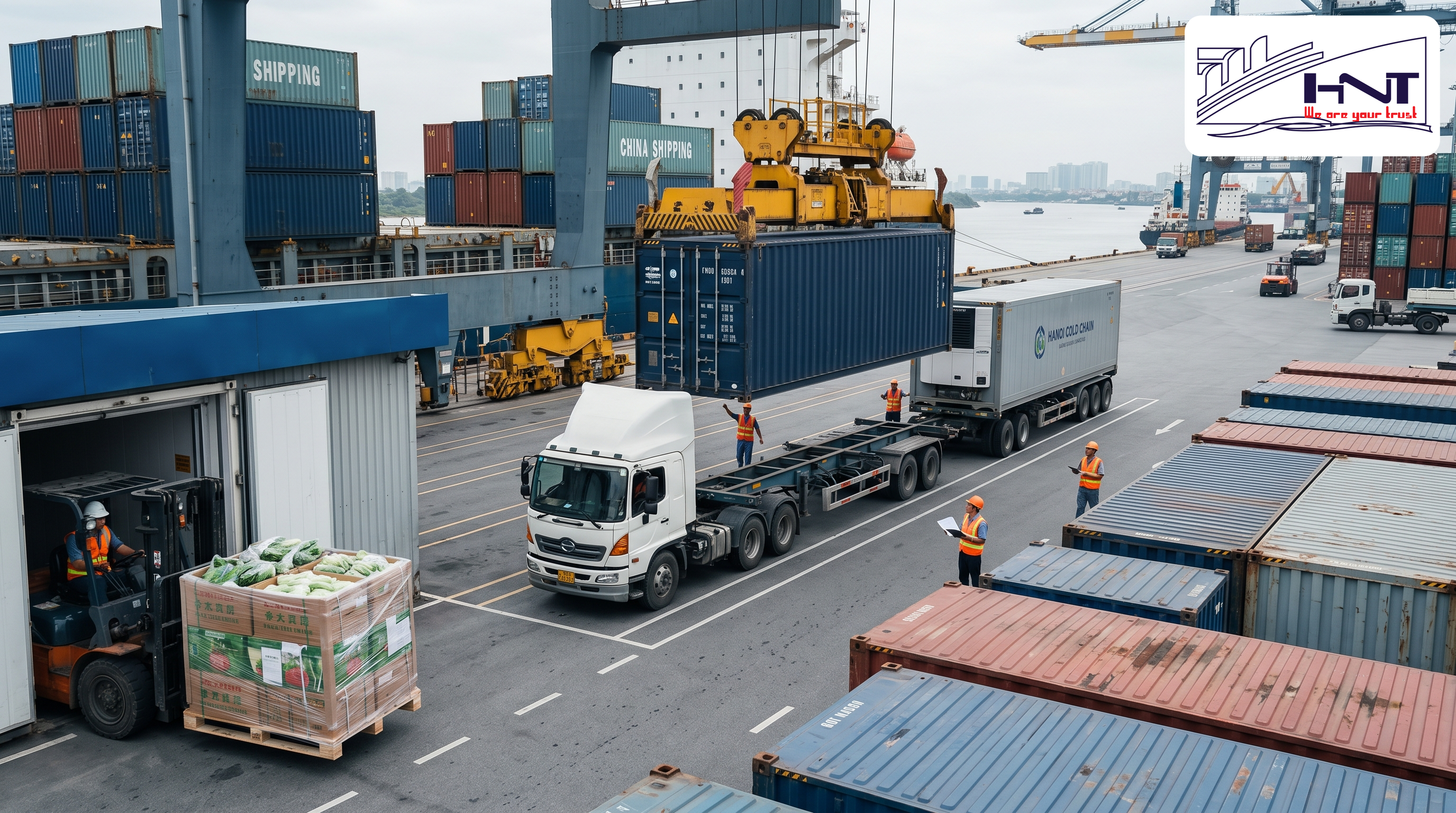
Many businesses focus only on ocean freight rates while overlooking local surcharges. This is the main reason total import costs increase significantly after the vessel arrives at port.
Common charges include THC, CIC, container cleaning, DEM/DET, and lifting charges. During the year-end peak season, container storage charges may double if businesses are slow to collect cargo.
- THC charges at Hai Phong and Cat Lai ports.
- CIC container imbalance surcharge.
- DEM/DET container storage charges.
- Forwarder handling fees.
- Trucking costs to Hanoi.
- Specialized inspection costs.
According to the 2026 logistics market data, intra-Asia shipping rates have fluctuated sharply due to shortages of empty containers at some Chinese ports. Businesses should request all-in quotations to avoid unexpected contract charges.
Based on HNT LOGISTICS' experience, machinery importers should confirm bookings 10 to 14 days in advance. This helps stabilize freight rates and reduces the risk of vessel slot shortages.
| Charge | Impact level | Time of incurrence | Control method |
|---|---|---|---|
| THC | Standardized, inspected | When the vessel arrives at port | Request a quotation in advance |
| CIC | Infrastructure | Peak season | Book early |
| DEM/DET | Incabable | Late container pickup | Prepare documents in advance |
| Handling | Low | When submitting documents | Negotiate the contract |
Compare sea freight and road transport between China and Vietnam
Sea freight is suitable for heavy cargo, large-volume shipments, and goods that do not require urgent delivery. Meanwhile, road transport offers speed advantages but costs more for long-distance transportation to Hanoi.
Businesses importing industrial equipment often prefer sea freight shipping from China to optimize container costs. However, e-commerce goods that require fast turnover are better suited to road routes via Lang Son.
- Sea freight saves costs for FCL cargo.
- Road transport is flexible for small orders.
- Sea freight is more stable during peak season.
- Road transport is prone to border congestion.
- Refrigerated containers are best transported by sea.
- Urgent cargo should consider multimodal transport.
A mechanical company in Hung Yen imported CNC machines from Shanghai in a 40HC container. Switching from road transport to sea freight reduced total logistics costs by 17% each quarter.
A cosmetics company in Hanoi imported small shipments from Guangzhou via road transport. However, during the year-end 2026 period, prolonged border congestion delayed delivery by four days. The company then switched to LCL sea freight for a more stable import schedule.
Sea freight export procedures to China and import procedures
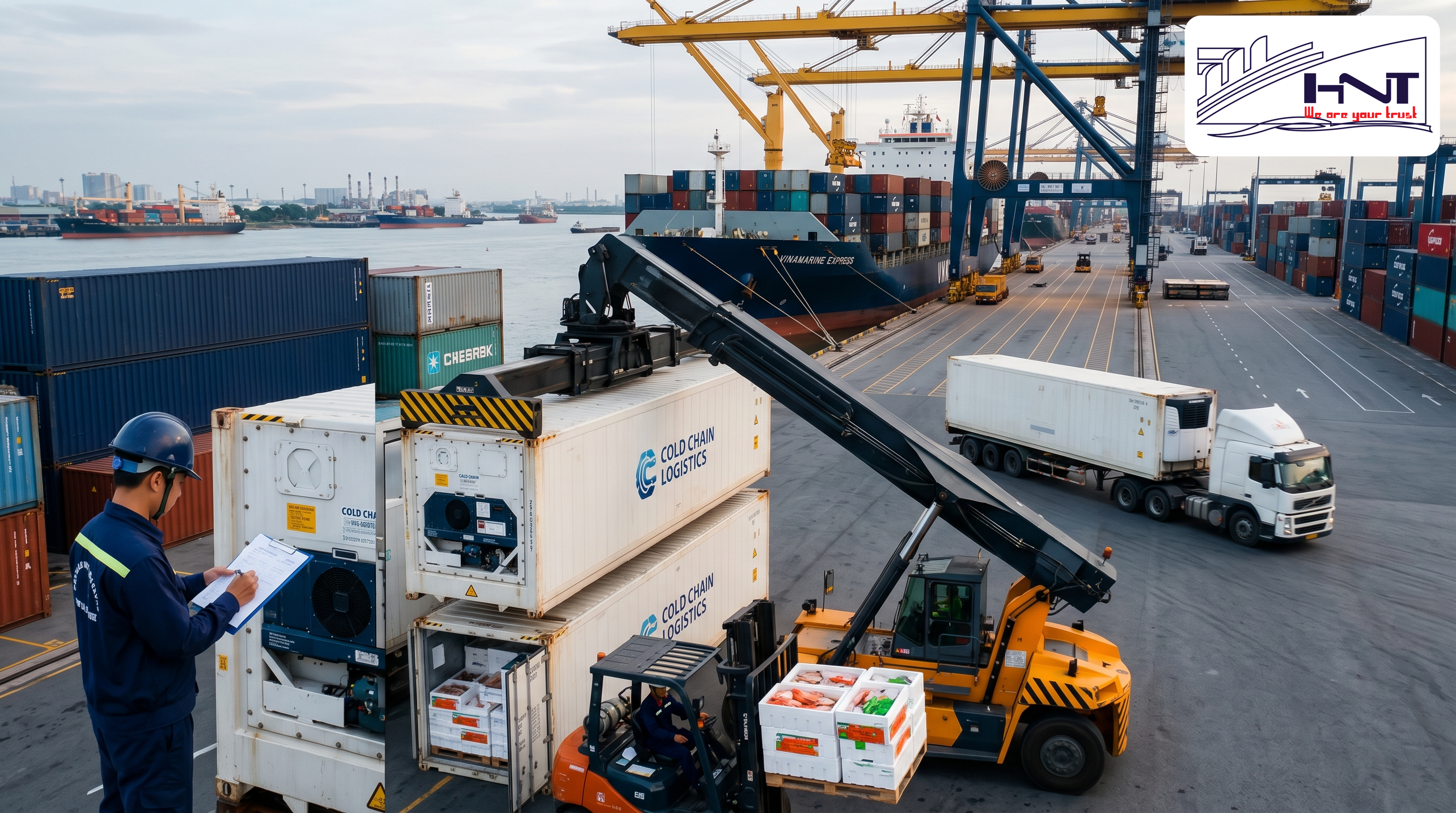
Booking, Bill of Lading collection, and customs clearance process
The process of shipping goods to China by sea requires strict control from booking through Bill of Lading issuance. Errors on the Bill of Lading can delay cargo release or require costly manifest amendments.
- Submit a booking request and confirm the vessel schedule.
- Load cargo and seal the container.
- First Translation
- Second Translation
- Pay import duty and VAT.
- Receive the delivery order at the port.
A plastics company in Binh Duong exported plastic resin to Qingdao. The logistics partner detected an incorrect consignee on the Bill of Lading before the vessel departed. The company avoided nearly USD 300 in manifest amendment costs.
An agricultural business in Long An shipped goods from Vietnam to China using refrigerated containers. The logistics provider continuously monitored container temperature and remotely alerted any deviations. The dragon fruit shipment maintained good quality after seven days of transport.
HNT LOGISTICS recommends that businesses review the Bill of Lading draft at least twice before official issuance. This is an important step in minimizing international trade disputes.
HS code, C/O Form E, and specialized inspection requirements
Many goods imported from China require quality inspection or specialized inspection before customs clearance. Businesses must determine the correct HS code to avoid incorrect regulatory policies.
Under current regulations, a valid C/O Form E allows businesses to receive tax incentives under ACFTA. This is especially important for the electronics, mechanical engineering, and manufacturing materials industries.
- Verify C/O Form E before ETA.
- Register quality inspection on time.
- Prepare conformity declaration documents.
- Check the HS code against the latest tariff schedule.
- Monitor import policy updates.
- Keep customs records for at least five years.
| Cargo type | Main requirement | Common risks | Solution |
|---|---|---|---|
| Electronics | Quality inspection | Incorrect HS | Compare the catalogue |
| Machinery | Declare CIF value | Missing C/O | Check before ETA |
| Food | Quarantine | Missing secondary label | Standardize documentation |
| Cosmetics | Product declaration | Missing permit | Register early |
Experience in choosing the right China shipping provider for each industry
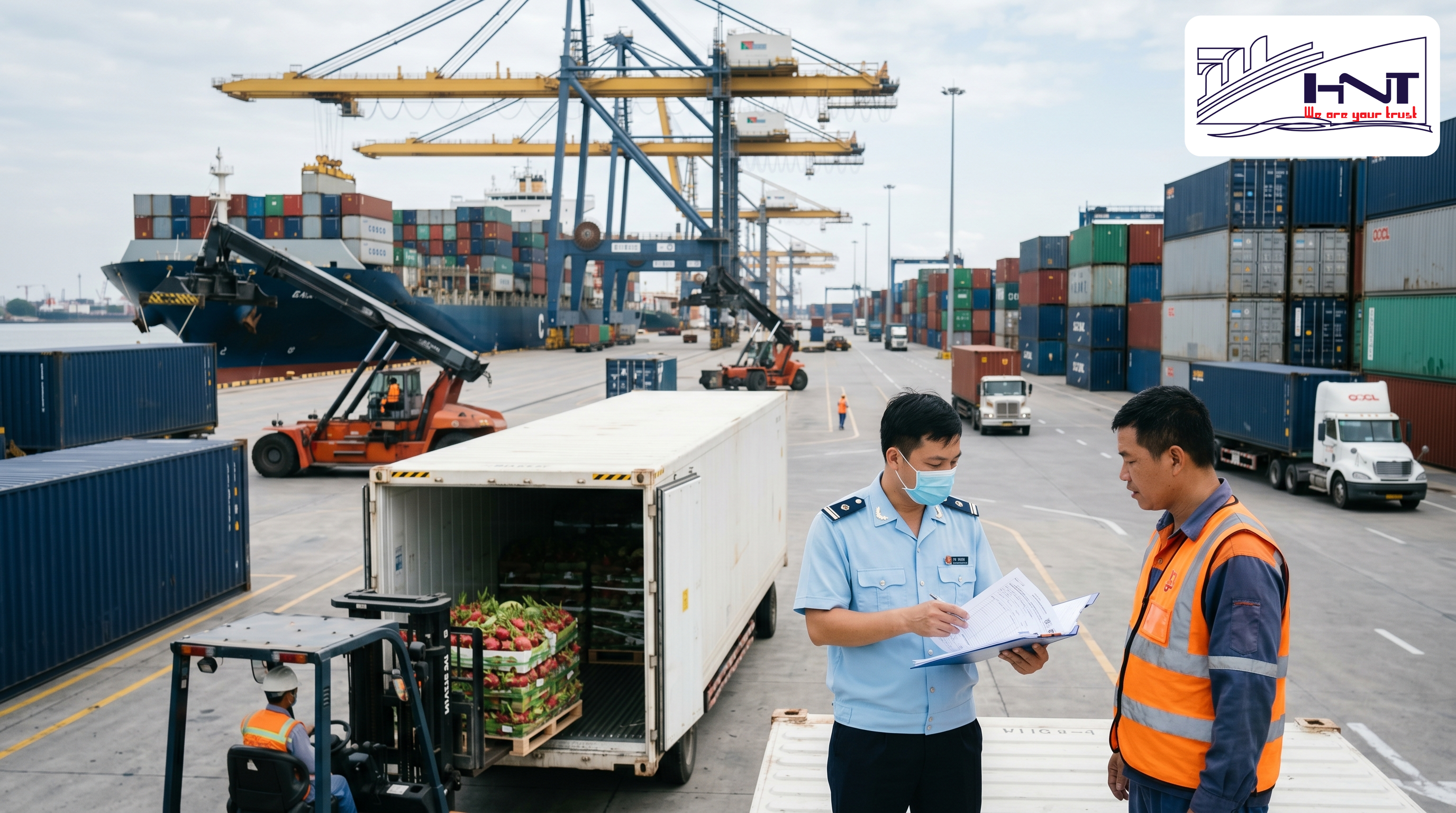
Electronics, machinery, and manufacturing components
Electronic goods require stable vessel schedules and effective vibration control. Businesses should choose providers experienced in handling high-value cargo and carrying transport liability insurance.
- Prioritize moisture-proof containers.
- Check international cargo insurance.
- Track containers via GPS.
- Require export-standard palletizing.
- Verify serial numbers before delivery.
- Check fixed weekly vessel schedules.
A factory in VSIP Bac Ninh Industrial Park imported semiconductor chips from Xiamen. The logistics provider used moisture-proof containers and continuously monitored temperature. The component defect rate decreased significantly after six months.
A mechanical engineering company in Dong Nai imported industrial motors from Tianjin. The logistics partner arranged flat rack containers according to load standards. The cargo suffered no damage during port unloading.
Agricultural products, food, and refrigerated containers
Refrigerated cargo requires strict temperature control. Businesses shipping goods from Vietnam to China should choose partners capable of real-time reefer container monitoring.
- Inspect the refrigerated container PTI before loading.
- Set the temperature according to standards.
- Monitor reefer power supply at the port.
- Control humidity inside the container.
- Prepare the quarantine certificate.
- Choose short-transit vessel schedules.
A seafood company in Ca Mau exported frozen shrimp to Guangxi. The logistics provider continuously maintained a temperature of minus 18 degrees. The loss rate fell below 1%.
A fruit company in Tien Giang transported durian to Nanning using a combined sea and road route. The logistics partner proactively replaced the backup refrigerated container at Shenzhen Port. The shipment still met China's import standards.
Checklist for evaluating a logistics partner before signing a contract
- Check international transport licenses.
- Evaluate customs declaration capability.
- Request a written all-in quotation.
- Verify cargo insurance policy.
- Compare actual vessel schedules over the past three months.
- Check the container tracking system.
- Evaluate the ability to handle seaport incidents.
Businesses should prioritize logistics providers with operational teams in both Vietnam and China. This helps quickly resolve issues related to documents, containers, and vessel schedules.
China freight forwarding company The right choice not only helps optimize costs but also significantly reduces legal risks and delivery delays. Businesses should simultaneously evaluate customs clearance capability, vessel schedules, container control, and real-world incident handling ability.
- Ưu tiên đối tác có kinh nghiệm tuyến Trung Quốc – Hà Nội.
- Carefully review the all-in quotation before signing the contract.
- Verify C/O Form E processing capability.
- Closely monitor ETA and vessel schedules.
- Choose the correct FCL or LCL option.
- Check the cargo insurance policy.
Trong bối cảnh thương mại Việt Nam – Trung Quốc tiếp tục tăng mạnh, nhu cầu vận chuyển hàng trung quốc về hà nội sẽ còn mở rộng. Doanh nghiệp cần đối tác logistics có năng lực vận hành ổn định và minh bạch chi phí.
HNT LOGISTICS is currently a partner supporting many businesses importing agricultural products, machinery, and industrial goods from China. With experience in customs clearance, sea freight, and refrigerated container management, HNT LOGISTICS helps businesses effectively control delivery times and optimize supply chain costs. HNT LOGISTICS is committed to delivering comprehensive supply chain solutions, helping Vietnamese businesses confidently conquer global markets. Contact us today at 8A Hoang Minh Giam, Ho Chi Minh City or via the marketing email at hntshipping.com for quotation support!