
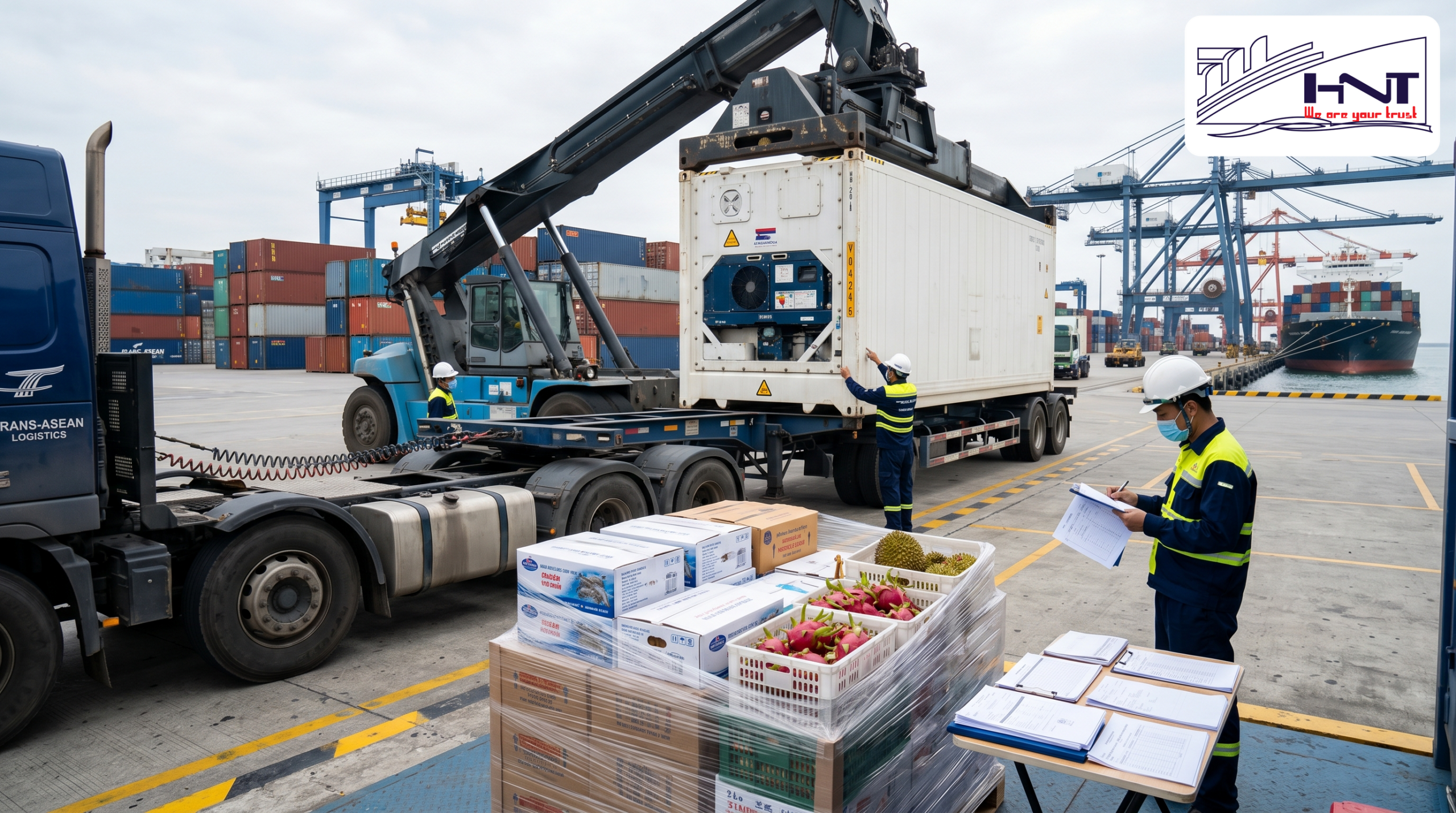
Shipment to China is under great pressure due to tightened inspections and congestion at many northern border gates. Many Vietnamese businesses have switched to the Laos and Thailand transit route to stabilize delivery times.
According to VASEP data in 2026, seafood exports to China increased by more than 57% in the first 4 months of the year. Cross-border cold transport demand is also growing rapidly on routes from Ho Chi Minh City to Kunming and Nanning. This makes businesses need to carefully calculate routes, containers, and transit costs.
The article will help businesses clearly understand transportation time, quotations, customs procedures, and how to optimize transit cargo services through Laos and Thailand to reduce logistics risks.
Current shipment route to China via Laos and Thailand
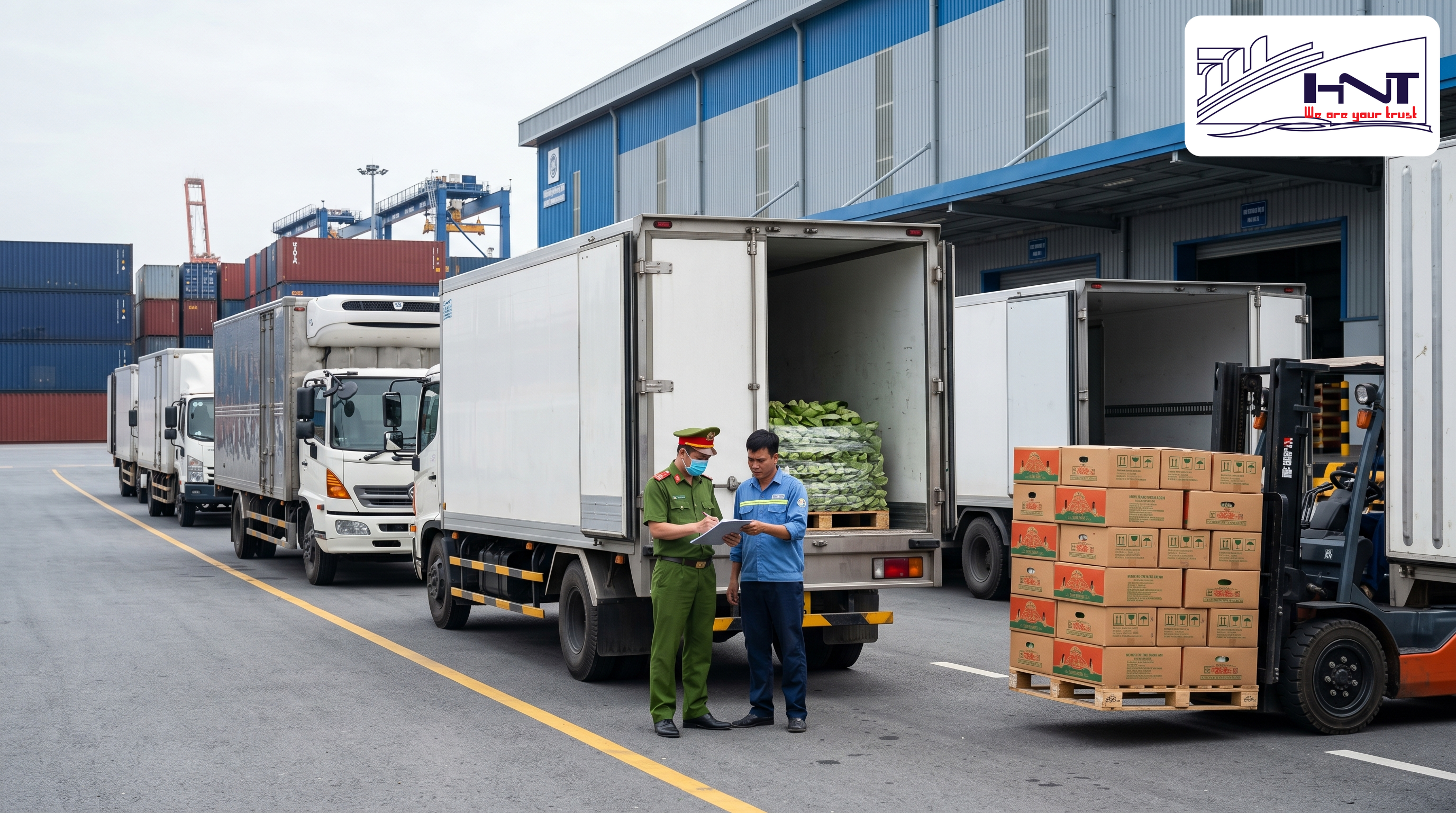
The transport route from Ho Chi Minh City to Mukdahan and Kunming
Many export businesses are using the Ho Chi Minh City – Savannakhet – Mukdahan – Laos – Thailand – Kunming route to avoid congestion at northern border gates. This route is suitable for cold goods, fruits, and frozen seafood.
Normally, containers will be transported by tractor trucks from Cat Lai to Laos through the Lao Bao border gate. After that, the goods are transferred to Thailand before going to China by road transport.
According to HNT LOGISTICS' experience, this transit route is suitable for businesses that need to maintain stable delivery schedules during the peak season of durian and frozen seafood.
| Transport route | Transit time | Suitable types of goods | Method |
|---|---|---|---|
| TP.HCM – Côn Minh | 6-8 days | Chilled fruits and vegetables | Refrigerated container |
| Bình Dương – Nam Ninh | 5-7 days | Dry cargo | FCL |
| Đồng Nai – Trùng Khánh | 7-9 days | Frozen seafood | Reefer |
| Tiền Giang – Quảng Tây | 5-6 days | Durian | LCL |
- Cold goods should maintain stable temperature from the container loading point.
- Businesses need to check driver change schedules at the Thai border gate.
- Reefer containers should have PTI checked before loading goods.
- CO Form E help optimize import tax in China.
- Booking should be made early during the peak agricultural season.
Mekong Fresh Company in Tien Giang once exported 18 containers of durian through the Savannakhet – Nanning route. By avoiding Lang Son congestion, the business reduced container storage time by nearly 36 hours.
A seafood business in Ca Mau transported frozen shrimp to Chongqing using a 40RF reefer container. The transit route helped maintain a stable temperature of minus 18 degrees throughout the journey.
Transportation time by type of goods
Frozen seafood usually requires a transit time of under 8 days. Meanwhile, dry goods may take longer but need cost optimization.
For fresh fruits, businesses should prioritize routes with fewer transshipment points. This helps reduce the risk of temperature loss and delayed inspections.
HNT LOGISTICS recommends businesses monitor inspection schedules at Mukdahan and Boten border gates to proactively plan container delivery.
Quotation for shipments to China and important surcharges
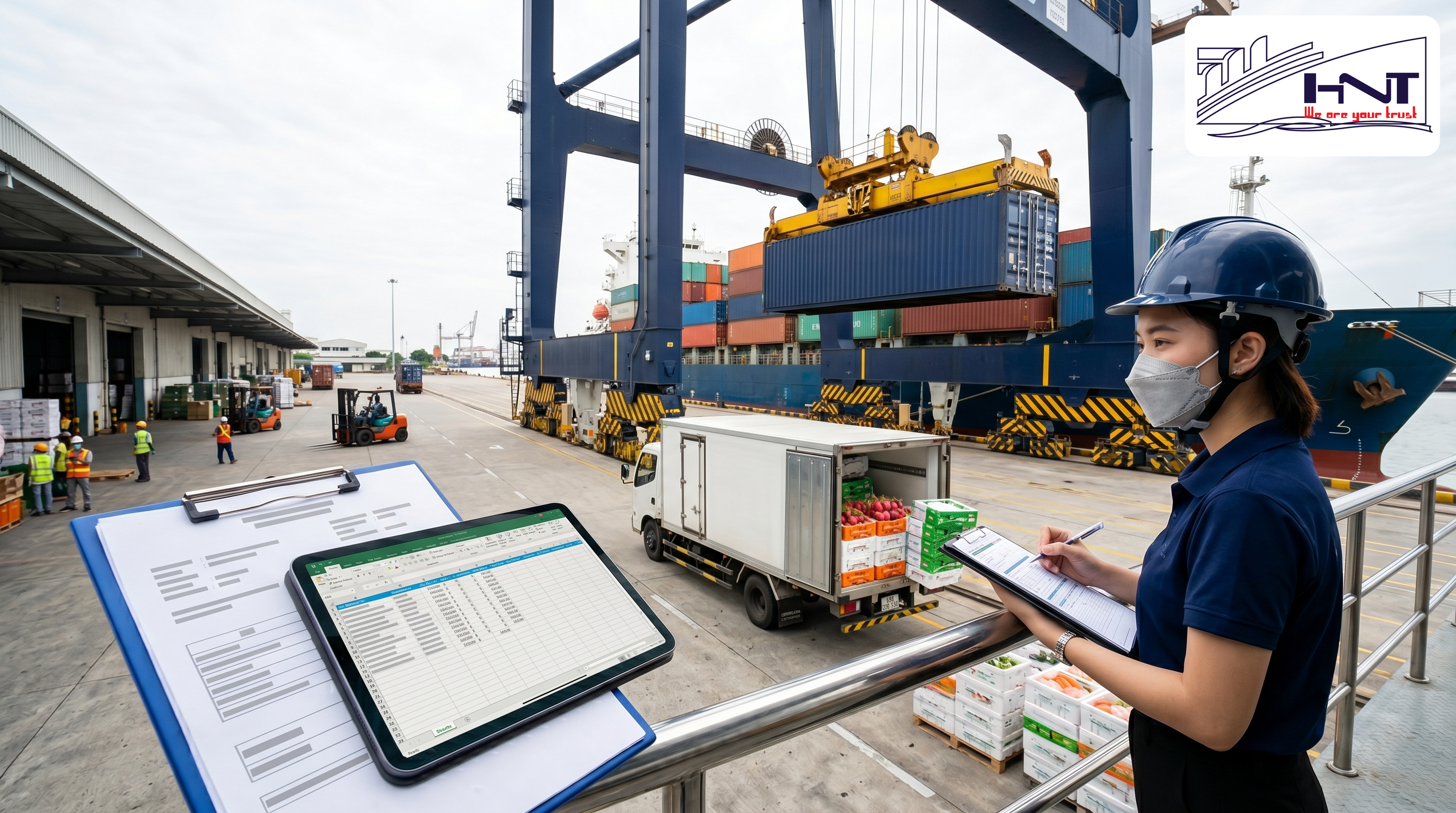
Thailand China transportation cost by container
Cost Thailand China transportation depends on the type of container, season, and final delivery location. Reefer container prices often fluctuate strongly during the fruit season.
| Type of Container | Online | Reference price | Notes |
|---|---|---|---|
| 20DC | TP.HCM – Nam Ninh | 2,100-2,500 USD | Dry cargo |
| 40DC | Bình Dương – Côn Minh | 3,200-3,800 USD | FCL |
| 40RF | Cà Mau – Trùng Khánh | 5,200-6,500 USD | Refrigerated |
| LCL | TP.HCM – Quảng Tây | 95-130 USD/m3 | Less-than-truckload cargo |
Costs usually include domestic trucking, transit fees, THC, driver change fees, and customs declaration fees. In addition, businesses need to reserve fuel surcharge contingencies.
According to regional logistics reports in 2026, cold container prices in Southeast Asia have increased due to the strong recovery in demand for transporting seafood and fruits to China.
- Cold containers incur electricity fees at the transit ICD.
- Frozen goods require separate inspection fees.
- LCL goods usually incur higher consolidation fees.
- Transit through Thailand requires tractor head change surcharges.
- Businesses should purchase ICC A insurance for high-value cargo.
Green Delta Company in Dong Nai reduced total logistics costs by 12% by switching from the Huu Nghi border gate route to the Mukdahan – Nanning route.
A pangasius processing company in An Giang used a 40RF container to Kunming. Optimizing the loading schedule helped reduce detention by 3 days.
Compare FCL and LCL when shipping goods to China at competitive prices
Shipping goods to China at competitive prices depends heavily on shipment volume and cargo consolidation strategy. For businesses with less than 15m3, LCL is usually the better option.
In contrast, FCL provides better temperature control and reduces the risk of damage. This method is suitable for businesses exporting high-value agricultural products or seafood.
According to experts at HNT LOGISTICS, businesses exporting durian should prioritize FCL reefer to reduce the risk of temperature loss during the quarantine stage in China.
Procedures for shipping goods from Laos to China and new quarantine requirements
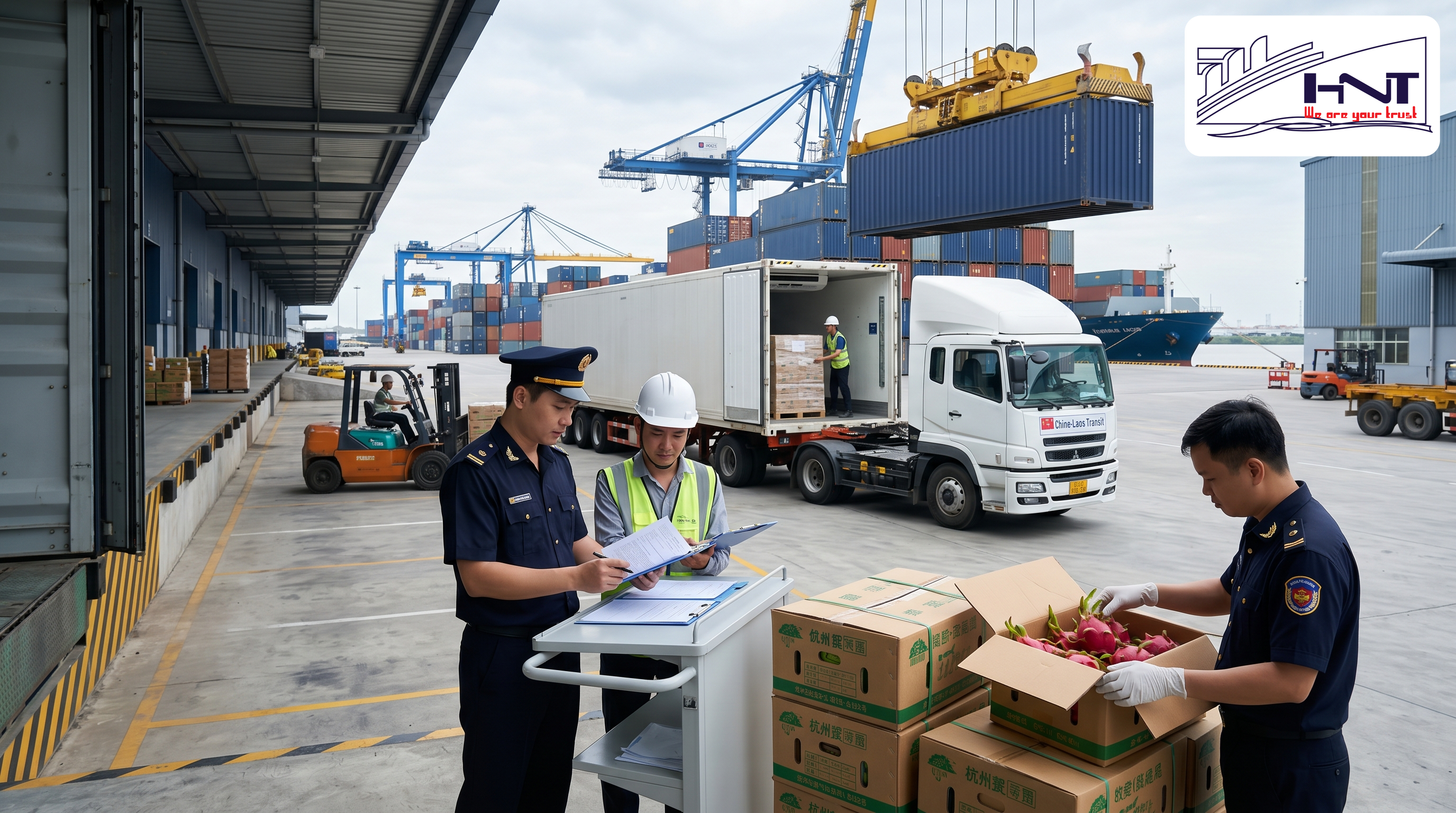
Required export documents
Businesses shipping goods from Laos to China need to prepare the invoice, packing list, intermodal bill of lading, CO Form E, and quarantine documents.
Agricultural products and seafood must also have a certificate of origin traceability. China currently inspects growing area codes and packing facilities very strictly.
- The invoice must use consistent HS codes.
- The packing list must clearly state the number of pallets.
- Reefer containers require a temperature log.
- CO Form E helps reduce import duties.
- The Bill of Lading must have consistent delivery points.
According to the 2026 updates from the General Department of Customs and the Ministry of Industry and Trade, many agricultural products must include Cadmium and Auramine O test results before customs clearance.
Ocean Fruit Company in Dak Lak once had 2 durian containers held because of an incorrect growing area code. After correcting the electronic documents, customs clearance time was reduced to 14 hours.
A seafood company in Soc Trang exporting frozen squid to Guangxi implemented electronic seals. As a result, the risk of manual customs inspection was reduced.
Common mistakes that cause containers to be held at the yard
The most common mistakes are incorrect HS codes and inconsistent bill of lading information. In addition, many businesses have not updated China's new quarantine regulations.
Reefer containers can also incur detention if reefer power connections are unavailable at the transshipment ICD. Businesses should carefully check vessel schedules and driver change times.
Optimizing Thailand-to-China transit cargo services
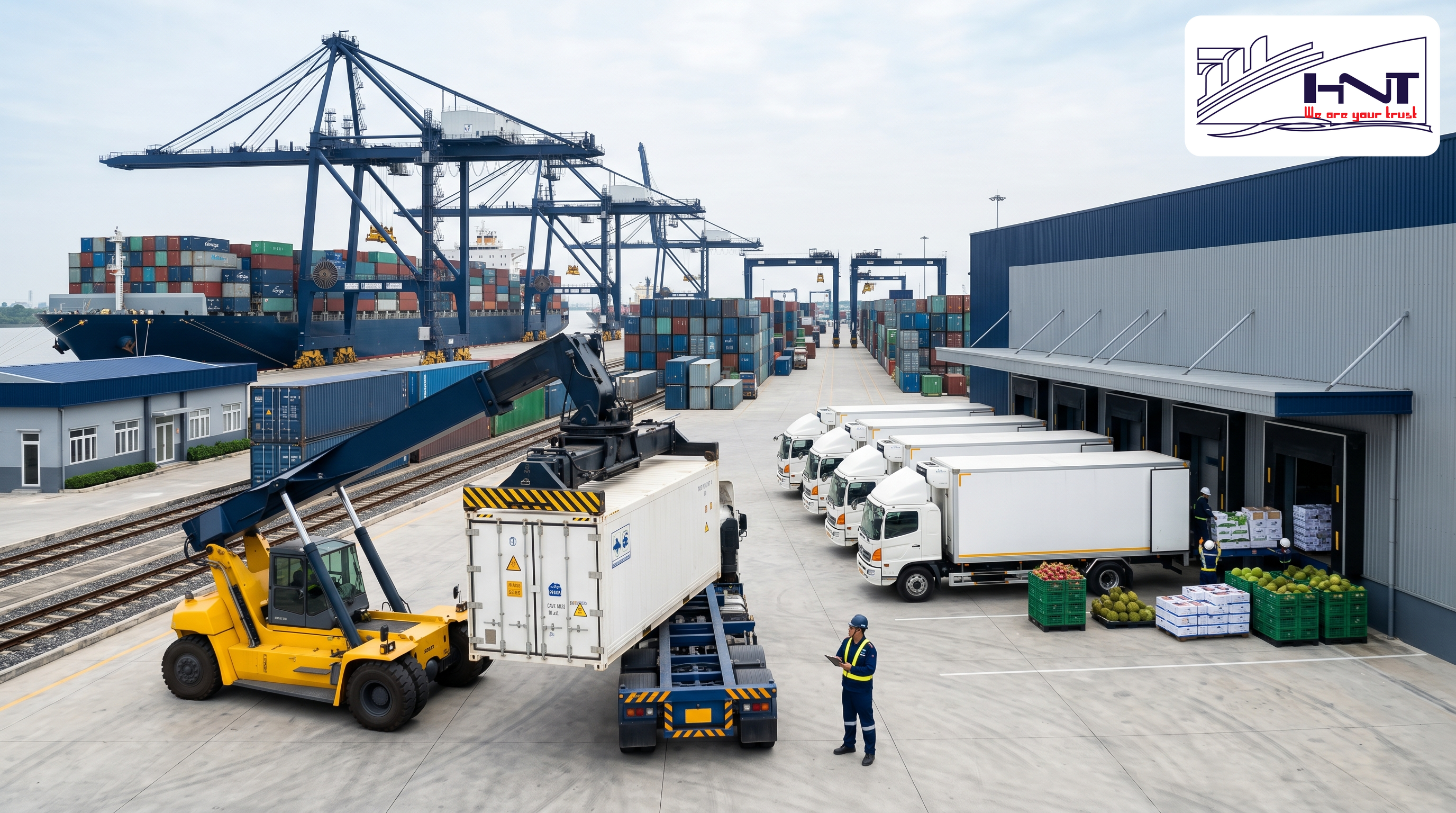
Choose the right route based on cargo type
Thailand-to-China transit cargo services are suitable for cargo requiring stable transport schedules and reduced seasonal congestion.
Fresh fruit should prioritize the Savannakhet – Nanning route. Meanwhile, frozen seafood is better suited to the Kunming route.
- Inspect PTI before loading the reefer container.
- Schedule quarantine inspections early at the border gate.
- First Translation
- Second Translation
- Prioritize comprehensive cargo insurance.
Based on HNT LOGISTICS’s experience, doanh nghiệp nên đóng hàng vào đầu tuần để tránh ùn tắc cuối tuần tại các điểm chuyển tải ở Thái Lan.
Nam Viet Foods Company in Binh Duong reduced logistics costs by 18% by consolidating shipments on a fixed schedule of two trips per week to Guangxi.
A dragon fruit exporting business in Long An reduced its loss rate to below 2% after switching to reefer containers with a GPS temperature monitoring system.
How to reduce detention and demurrage
Businesses need close coordination between warehouses, trucking companies, and customs declaration providers. This helps prevent containers from being held at the yard for extended periods.
In addition, businesses should proactively plan empty container pickup and container return schedules. Late reefer returns often incur very high costs during peak season.
Orders to China via Laos and Thailand are becoming a strategic solution for many Vietnamese exporters. This transport route helps stabilize delivery schedules and reduce dependence on northern border gates.
- Prioritize reefer containers for high-value cargo.
- Check origin traceability documents before export.
- Monitor seasonal fuel surcharges.
- Book early during the peak season.
- Closely control detention and demurrage.
- Take advantage of CO Form E to reduce duties.
HNT LOGISTICS currently supports Vietnamese businesses in developing optimized transit transport solutions for agricultural products, seafood, and refrigerated cargo to China with flexible schedules and in-depth customs procedure support. HNT LOGISTICS is committed to delivering comprehensive supply chain solutions, helping Vietnamese businesses confidently conquer global markets. Contact us today at 8A Hoang Minh Giam, Ho Chi Minh City or via the marketing email at hntshipping.com for quotation support!