
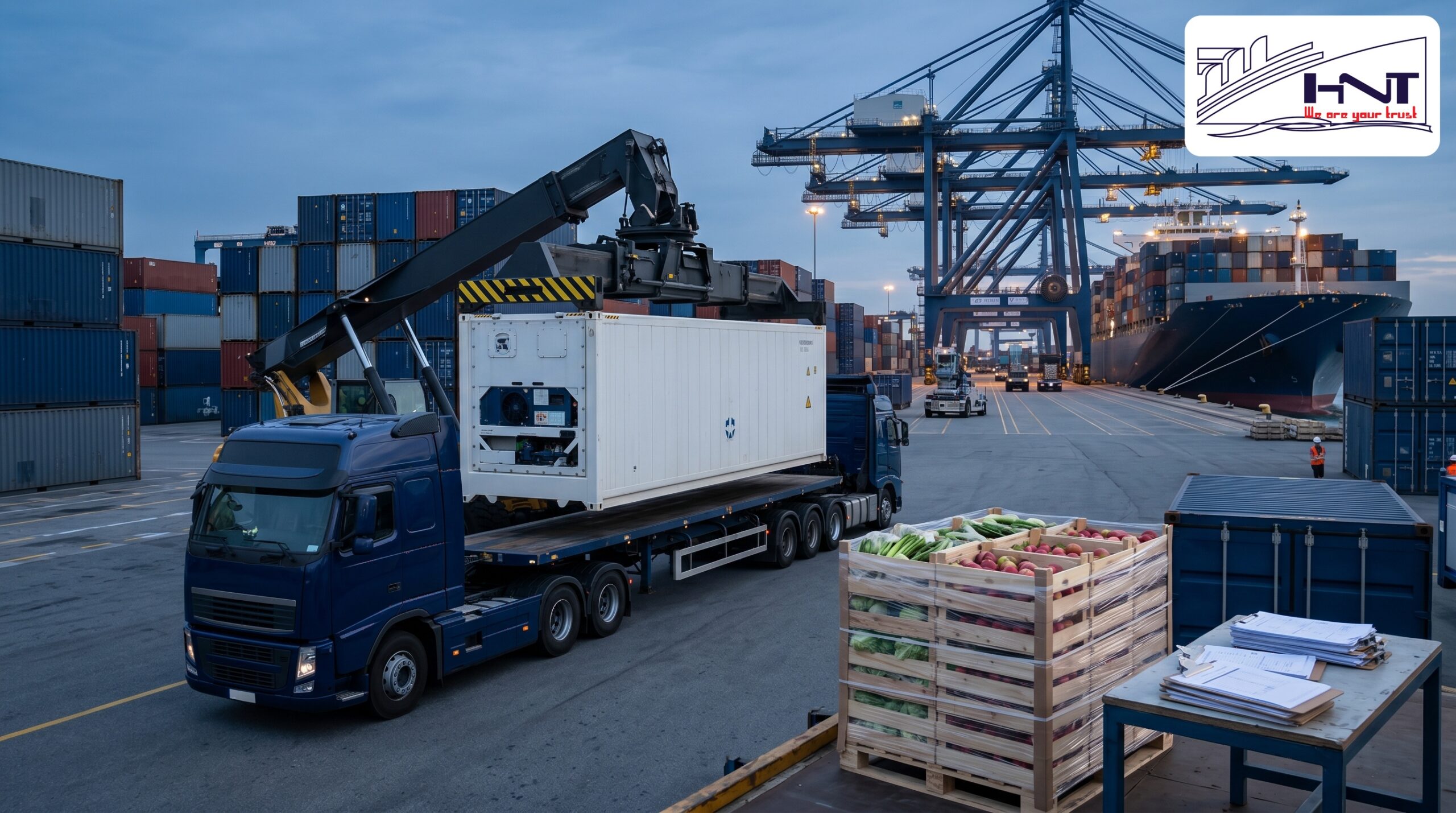
A shipment of frozen seafood is waiting at the port. The business owner is worried about maintaining the cold chain. International sea freight is the ultimate solution. Optimizing the process helps goods arrive safely. This article helps you understand and make the right decisions.
Overview of international sea freight for export businesses
Mastering the basics helps shippers feel more secure. This is a method for moving extremely large volumes of goods. It solves the transport problem for super-heavy orders. Businesses need to understand it clearly to optimize costs.
Basic concepts and role in the supply chain
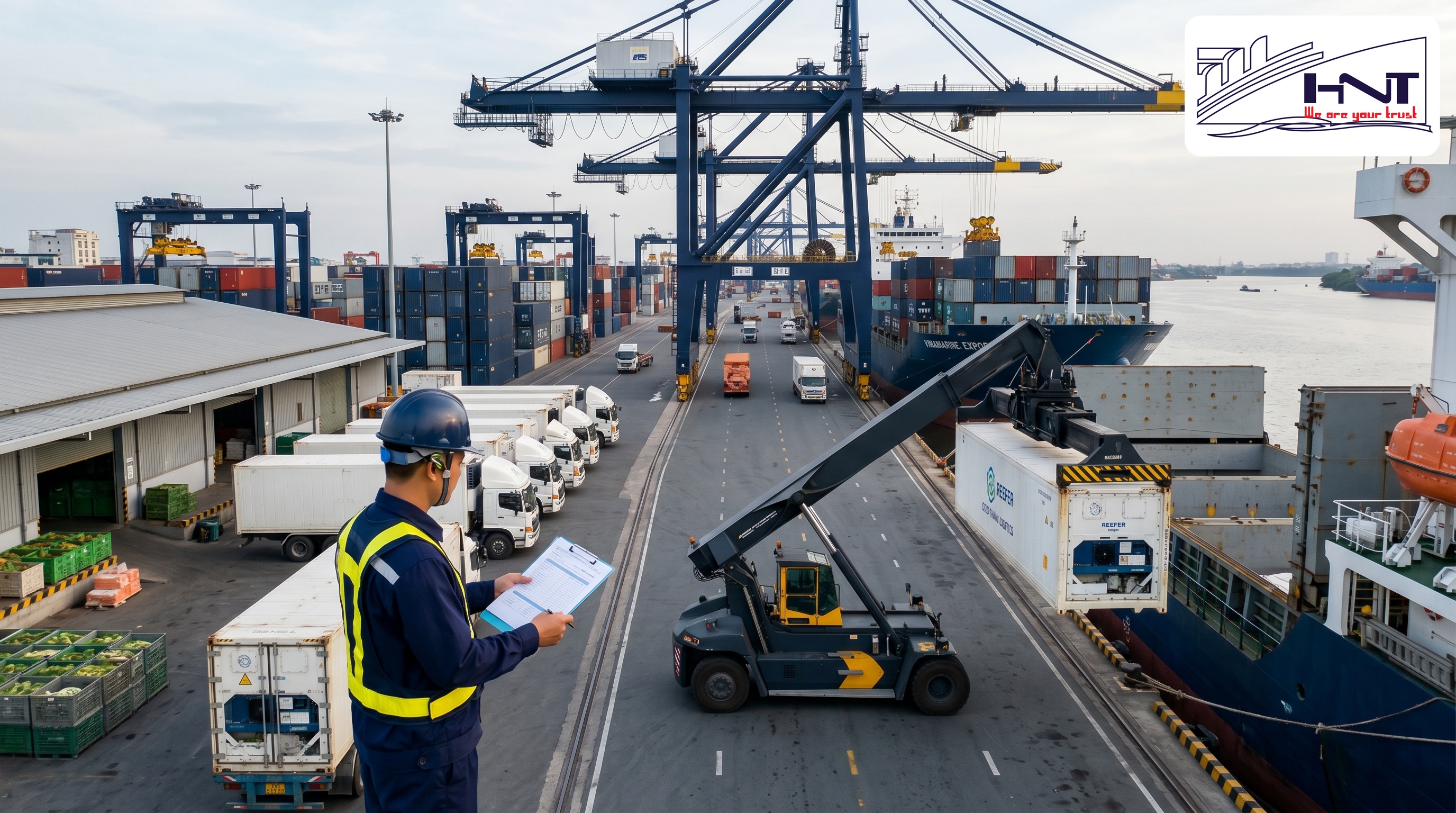
This method uses specialized cargo ships to cross oceans. It connects key economic regions around the world. In 2024, container export volume grew by 10 percent. The volume of goods exported by sea accounts for a very high proportion. This is the backbone of global trade operations.
Types of goods suitable for sea routes
Agricultural products and frozen seafood are top choices. Heavy industrial machinery also prefers using sea vessels. Exported rice and coffee frequently go by this route. Bulky furniture saves a lot on storage fees. Choosing the right method brings high efficiency.
Comparison with other international transport methods
Each form has its own advantages and limitations. When compared to other international transport methods sea freight is cheaper. However, its transit time will be longer. Customers need to carefully weigh costs against speed. The right decision helps protect company profits.
- Does the export cargo type have strict temperature requirements throughout the sea voyage?
- Expected logistics budget that your company can pay for each export shipment.
- Delivery time committed to purchasing partners in North American or European regions.
- Bulky characteristics of packaged products to calculate container loading and unloading optimization capabilities.
- Fluctuations in the sea freight market and container shortages during peak seasons.
| Comparison criteria | International sea vessels | Cargo aircraft | Cross-border trucks |
|---|---|---|---|
| Operating costs | Very low | Incabable | Standardized, inspected |
| Transit time | Slow | Very fast | Quite fast |
| Volume of Goods | Unlimited | Strictly limited | Moderate level |
| Safety level | Incabable | 1.5 days | Depends on terrain |
Example one, Green Agricultural Products Co., Ltd in Tien Giang exports dragon fruit. They choose sea freight to Europe instead of air. As a result, costs are reduced significantly. Each container saves twenty percent in logistics costs. This helps them increase their competitiveness.
Example two, Viet Wood Enterprise in Binh Duong needs to ship furniture to North America. They use LCL service by sea. This helps the goods arrive on time and saves money. They are not penalized for violating commercial contracts. The company's reputation is firmly consolidated.
Core benefits of choosing international sea freight for goods
Cost savings are always a priority for every business. Using sea freight brings many great economic values. The company's profits will be increased significantly. Customers always highly appreciate this transportation solution.
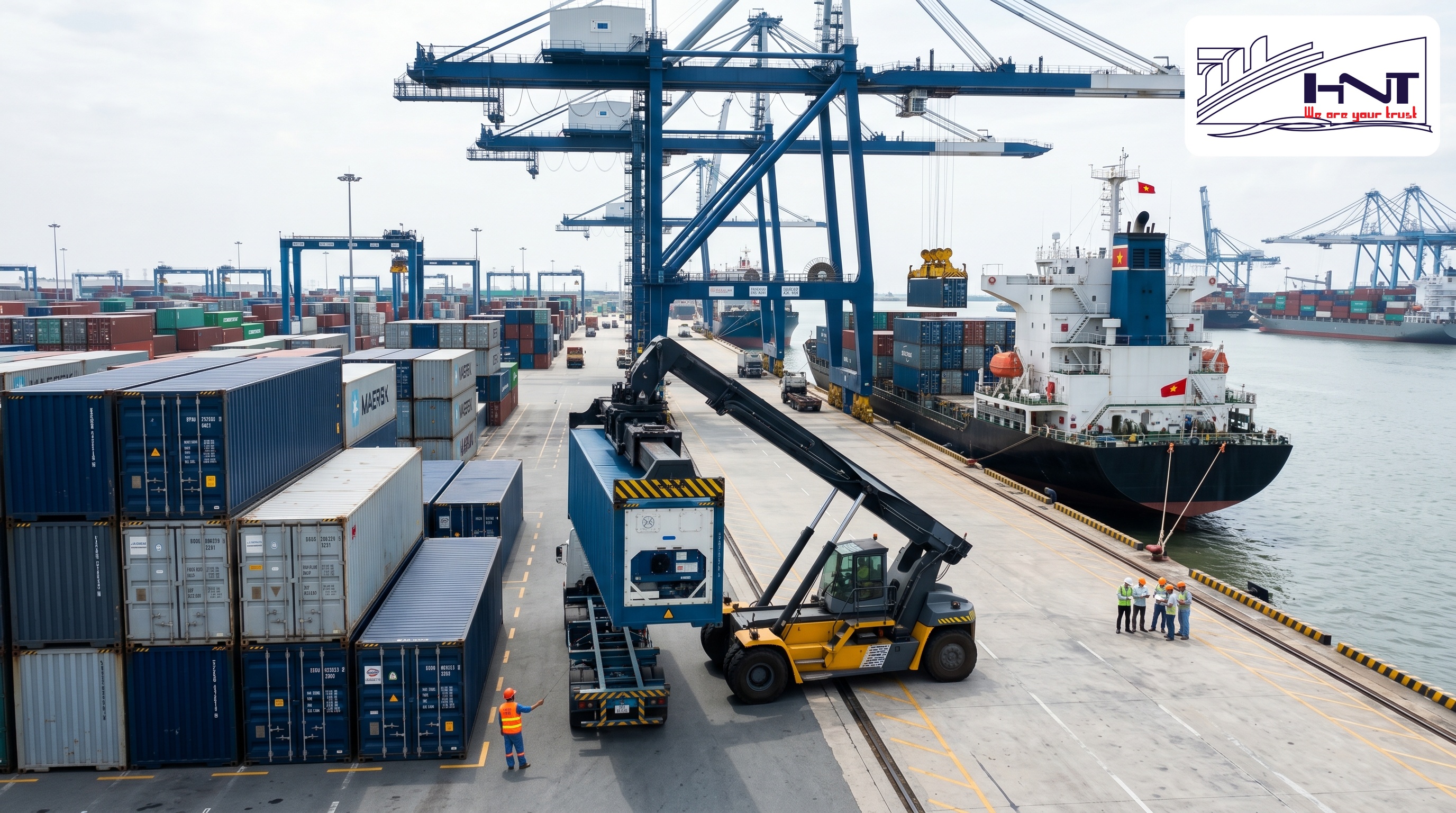
Optimizing costs for large volumes of goods
When sending hundreds of tons of goods, international sea freight is very cheap. The fee per ton of goods is much lower than air freight. Large shippers always prioritize this solution. Business profits are protected to the maximum. The larger the scale, the cheaper the cost.
Safety for exported agricultural and aquatic products
Frozen goods need to maintain strict temperatures continuously. According to international customs regulations, refrigerated container packing standards are very strict. Modern ships have stable power supply systems. Refrigerated containers operate smoothly throughout long journeys. The quality of frozen pangasius and shrimp is perfectly guaranteed.
Flexibility in choosing dry and refrigerated container types
You can use dry containers for general consumer goods. Refrigerated containers are exclusively for agricultural products or fresh fruit. This diversity meets all export needs. Based on HNT LOGISTICS' experience, choosing the right container type is very important. It helps reduce the goods damage rate to the lowest level.
- The ability to carry huge volumes of goods on the same ship helps reduce costs significantly.
- Flexible routes connect many major seaports in Asia, Europe, and the North American region.
- Modern cold storage systems keep the freshness of Vietnam's exported seafood intact.
- Marine insurance costs are usually at a more reasonable level compared to other fast-moving methods.
- Highly standardized processes at seaports help the loading and unloading process take place safely and quickly.
| Container type | Technical specifications | Main export applications | Estimated cost level |
|---|---|---|---|
| Twenty-foot dry container | Compact volume | Boxed consumer goods | Base price level |
| Forty-foot dry container | Very large volume | Bulky furniture | Average price |
| Twenty-foot refrigerated container | Excellent temperature control | Fresh meat and fruit | Quite high price |
| Forty-foot refrigerated container | Spacious refrigerated compartment | Frozen seafood | Highest price |
Example three, Hai Phat Seafood Company in Ca Mau exports black tiger shrimp. They rent three refrigerated containers to Japan. The shipment is kept at minus eighteen degrees. The shrimp quality is rated very highly by the partner. They also signed a new long-term contract.
Example four, Thanh Cong Garment Factory in Dong Nai ships T-shirts to Europe. They use a forty-foot dry container. The goods are protected from moisture thanks to desiccant packs. Profits increase by minimizing the risk of damage. International customers are very satisfied with the shipment.
Guide to evaluating international sea freight shipping costs effectively
Understanding the pricing structure helps you avoid budget surprises. This is a critical step in international business. Businesses need to plan their finances scientifically. This helps prevent working capital shortages.
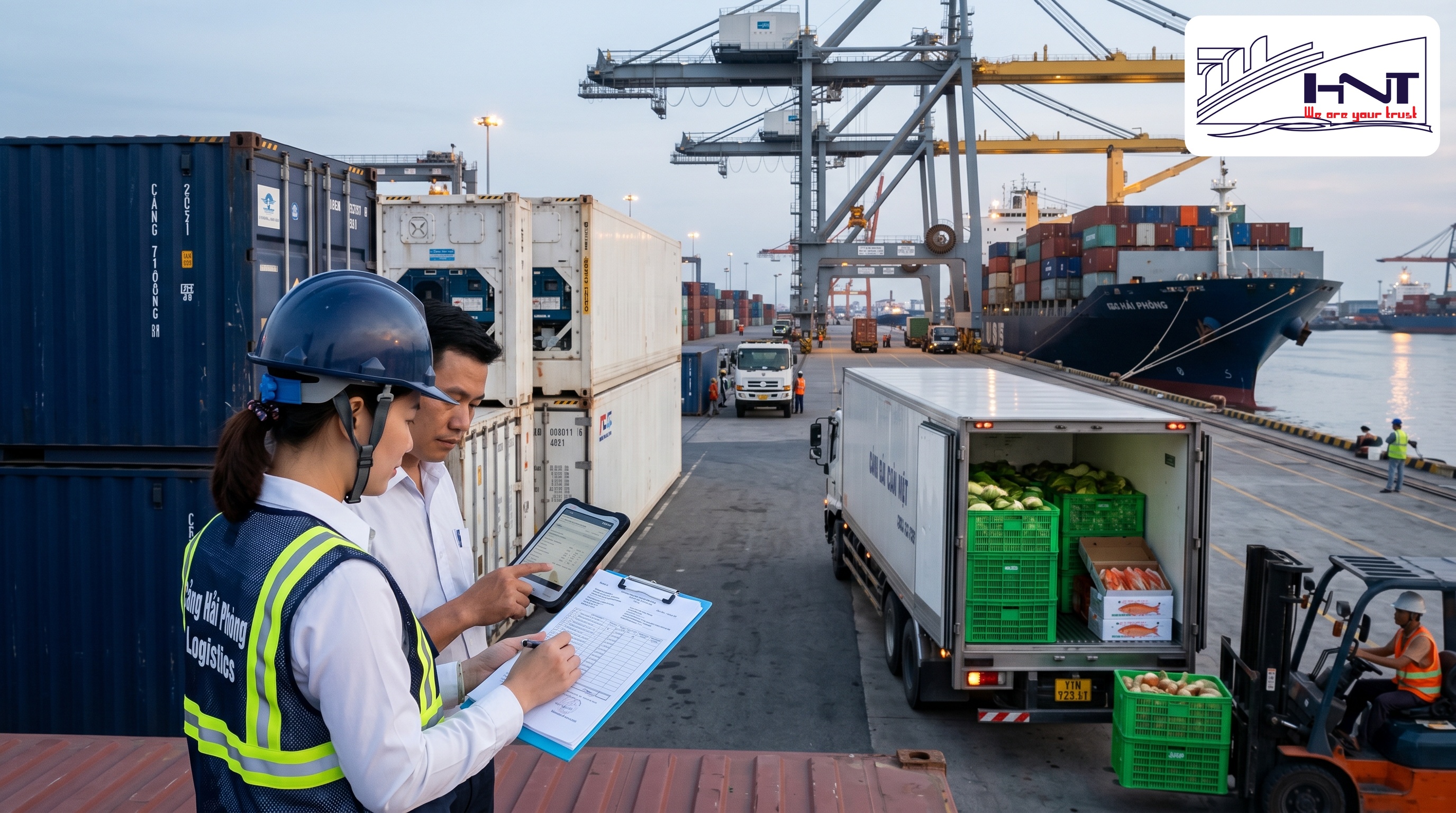
Common surcharges at seaports
Shippers should pay attention to loading and unloading fees at the port of origin. There are also documentation fees and seal fees. Storage charges may also arise if cargo collection is delayed. Understanding these helps you prepare a more accurate budget. Proactive financial planning is the key to success.
Price fluctuations compared with international air freight rates
Speed always comes with an extremely high price. International air freight rates are often many times more expensive. Air transport is only suitable for urgent or high-value goods. Sea freight maintains more stable and economical rates. The right choice helps maximize profits.
How to calculate a logistics budget effectively
Businesses need to add together the base freight and all surcharges. Set aside an additional five percent for unexpected risks. Negotiating rates with the shipping line is very important. A good logistics partner will help you with this. The more detailed the cost table, the lower the risk.
- Basic international sea freight rates are listed by shipping lines according to each route and specific container type.
- Cargo handling charges at the port of departure and destination are collected by the port authority in accordance with current regulations.
- Fees for issuing the bill of lading and other related documents in the import-export dossier.
- Costs for customs clearance procedures and specialized inspections for exported agricultural products.
- Container storage charges apply if the business delays transporting the cargo from the yard to the warehouse beyond the specified time.
| Surcharge type | Abbreviation | Charging stage | Responsible paying party |
|---|---|---|---|
| Cargo handling fee | THC | At the port of departure and destination | Import-export cargo owner |
| Shipping document fee | DOC | Upon issuance of bill of lading | Shipper |
| Seal fee | Seal | Before port release | Exporter |
| Equipment cleaning fee | Cleaning | After unloading | Importer |
Example five, An Binh Mechanical Company in Ho Chi Minh City sends machinery to Australia. They miscalculated the initial destination port surcharges. Thanks to expert consultation, they adjusted their budget in time. The transaction was successful without exceeding the financial limit. They learned a valuable lesson.
Example six, Western Fruit Cooperative ships pomelos to the Middle East. They compared air and sea freight costs. Ultimately, they chose sea freight to optimize their budget. They saved forty percent of the total freight cost. Cash flow for the business was significantly improved.
Standardized international sea freight shipping process
Following the correct process helps goods move quickly and safely. Document errors will cause very serious consequences. Every step performed must strictly comply with legal regulations. You cannot be negligent in any phase.
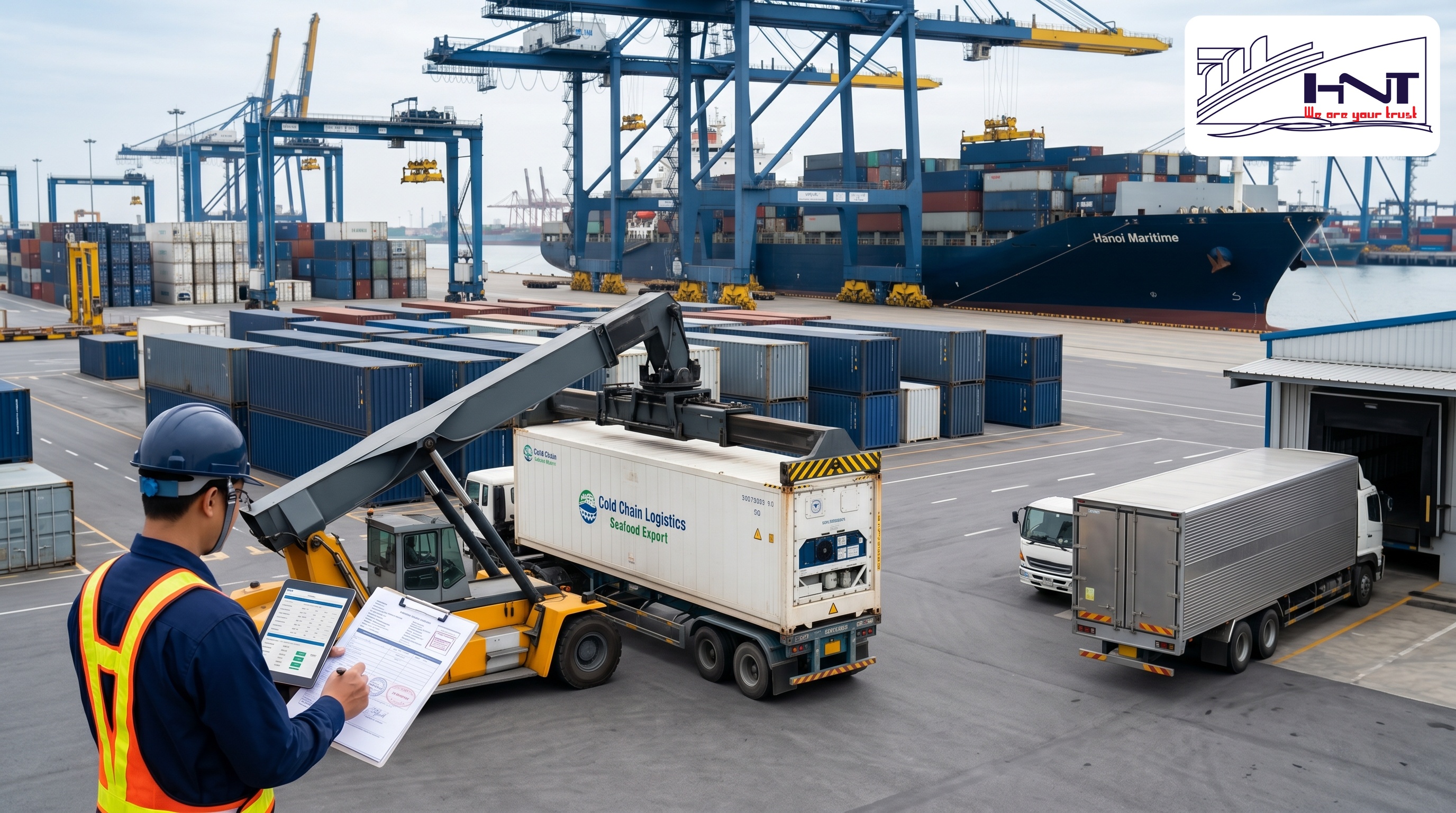
Prepare necessary import-export documents
Commercial invoices and packing lists are mandatory. Certificates of origin help buyers reduce taxes. Sea waybills are proof of ownership of goods. All documents must match information perfectly. Even a small error can cause the shipment to be stuck.
Customs procedures and specialized inspections
Agricultural products need phytosanitary certificates. Declaring on the electronic customs system is very fast. Customs officers will check documents and goods. If goods meet standards, the shipment will be cleared immediately. This process requires high professionalism.
Track route and hand over goods
Work international sea freight shipping requires close monitoring. Using technology helps update the ship's location continuously. The shipping line will send arrival notices to the consignee. The buyer proceeds to complete import procedures at the destination port. Afterwards, they pull the container to their warehouse. The delivery process ends smoothly and safely. The commercial transaction is completed successfully.
- Prepare a full set of commercial documents including invoices, packing lists, and international sales contracts.
- Transmit electronic customs declarations through specialized software systems licensed by competent authorities.
- Pay export taxes if applicable and submit customs fees in accordance with current laws.
- Bring goods into the customs supervision area at the port to wait for officers to conduct physical inspections.
- Receive customs clearance decisions and hand over containers to shipping lines to arrange for loading onto sea transport vessels.
Example seven, Rang Dong Plastic Company in Long An exports plastic pellets. They prepared documents with incorrect HS codes. Thanks to early detection, they fixed the error within one hour. The shipment was still safely loaded onto the ship to Southeast Asia. They avoided a very large demurrage fine.
Example eight, Clean Rice Enterprise in Can Tho ships goods to Africa. The ship encountered a storm and had to dock temporarily for shelter. They monitored the route closely and informed their partner. The customer was understanding and did not penalize for contract violation. Transparent communication helps maintain credibility.
Criteria for choosing a reputable sea freight partner
Choosing the right partner is the key to success for export. They will solve all problems that arise for you. HNT LOGISTICS recommends that you find partners with professional capabilities. Market understanding helps the clearance process run smoothly.
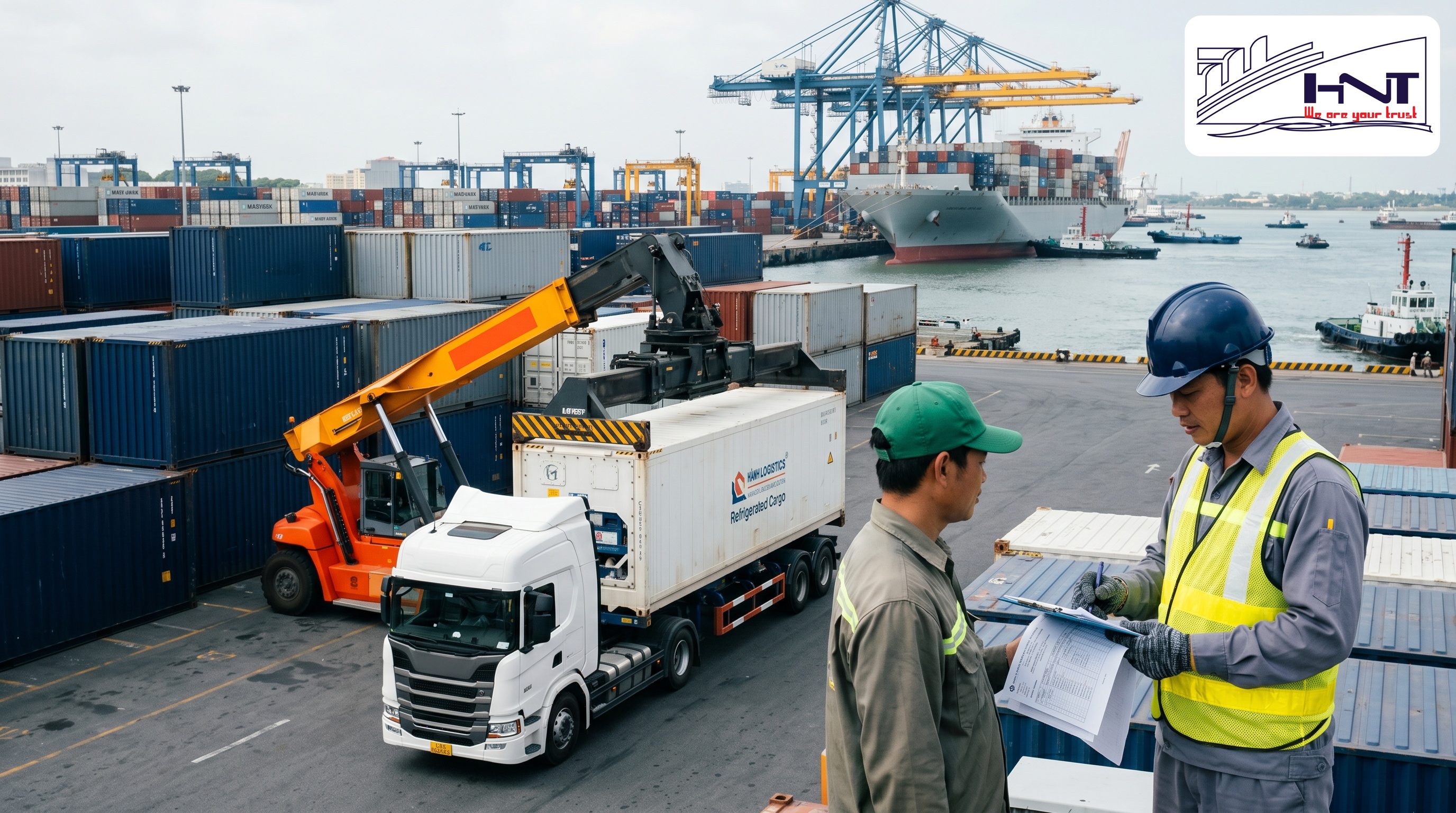
Experience in handling Asia and North America sea routes
These are two key export markets for Vietnam. A good partner will have good freight rates for this route. They understand the strict import regulations of North America. Your goods will not be held for inspection for long. Delivery schedules are absolutely guaranteed.
Capacity to supply standard refrigerated containers
Agricultural products need clean container shells and well-functioning cooling systems. Large shipping carriers always have a supply of quality containers available. They commit to providing equipment on time as requested. This capacity determines the survival of the shipment. Frozen seafood always requires precise temperatures.
Legal support and fast customs declaration
Cumbersome procedures often discourage new businesses. A team of experts will advise on accurate file codes. They represent the cargo owner in working with customs agencies. Yard dwell time is shortened to the maximum and cost-saved. The flow of trade is not interrupted.
- Possesses a valid operating license issued by state management agencies in the transportation sector.
- Owns a wide network of agents at major seaports globally to support cargo delivery.
- Provides a transparent, clear freight quote table with no hidden surcharges causing financial damage.
- Has an experienced staff team ready to handle incidents arising throughout the transportation process.
- Highly rated by many large export enterprises for service quality and reliability at work.
Example nine, Hung Phat Garment Company in Ho Chi Minh City chose the wrong agent. The shipment to North America was stuck at the transit port. They had to switch to a more reputable partner to solve it. The goods arrived late but the contract was still saved. They realized the importance of good service.
Example ten, Binh Phuoc Cashew Processing Enterprise found a good partner. They were provided with clean containers and fast customs support. Ten consecutive shipments arrived at European ports on time. Storage costs dropped to the lowest level of the year. Professionalism brings sustainable efficiency.
International sea freight is the most optimal choice today. This method helps export businesses save costs extremely effectively. In the context of strongly developing global trade, grasping the rules of the game is extremely important. Companies need to proactively update knowledge about customs clearance procedures. Thoroughly research tariff policies at the destination port.
Managing risks at sea cannot be underestimated either. Extreme weather incidents are always lurking for every ship. Always be ready with emergency contingency plans. Buying comprehensive maritime insurance is a smart move. Never save on insurance costs to risk huge losses. Businesses need to coordinate closely with logistics service provider partners. Below are the core points you need to remember carefully.
- Clearly understand the deep differences between sea freight and air freight.
- Choose the right type of specialized container suitable for product characteristics.
- Prepare full commercial invoices and certificates of origin for goods.
- Set aside a safe budget for various surcharges at the port.
- Buy full maritime insurance to avoid all weather risks.
- Search for a reputable shipping unit with a global agent network.
HNT LOGISTICS is proud to be a reliable partner of Vietnamese businesses. We are committed to bringing truly safe transportation solutions. Handling customs procedures will become simpler than ever. Let us accompany your company's strong development. Contact us immediately via hotline 096 309 78 19 or email marketing@hntshipping.com so your shipment can confidently reach out to the world firmly.