


When a fruit container misses the vessel schedule, sea freight rates can break the entire profit margin of the shipment. In 2026, Vietnam's goods exports reached 475.04 billion USD; the first five months of 2026 reached 215.66 billion USD.
The pressure is not in a single freight figure. For sea freight rates, it lies in the accumulation of slot prices, fuel surcharges, port fees, documentation fees, and the risk of container detention. For sea freight rates, the General Statistics Office recorded total export-import turnover of 445.12 billion USD in the first five months of 2026. Therefore, service buyers must read quotations as a risk table.
For agricultural products and sea freight rates, seafood and fresh fruits, one wrong step in booking a reefer container can create costs larger than the base freight. The Ministry of Agriculture and Environment announced that agriculture, forestry, and fishery products reached about 70.09 billion USD in 2026. VASEP also recorded seafood reaching about 11.3 billion USD in 2026. These figures make advance vessel booking capacity even more necessary.
What factors are causing sea freight rates to fluctuate?
Sea freight rates fluctuate according to vessel supply, cargo seasons, fuel, and transshipment conditions. People asking for prices only looking at container rates often miss validity conditions. A good sea freight quotation today may lose availability after three days. For refrigerated cargo, empty container pickup time is even more important than the vessel departure date.
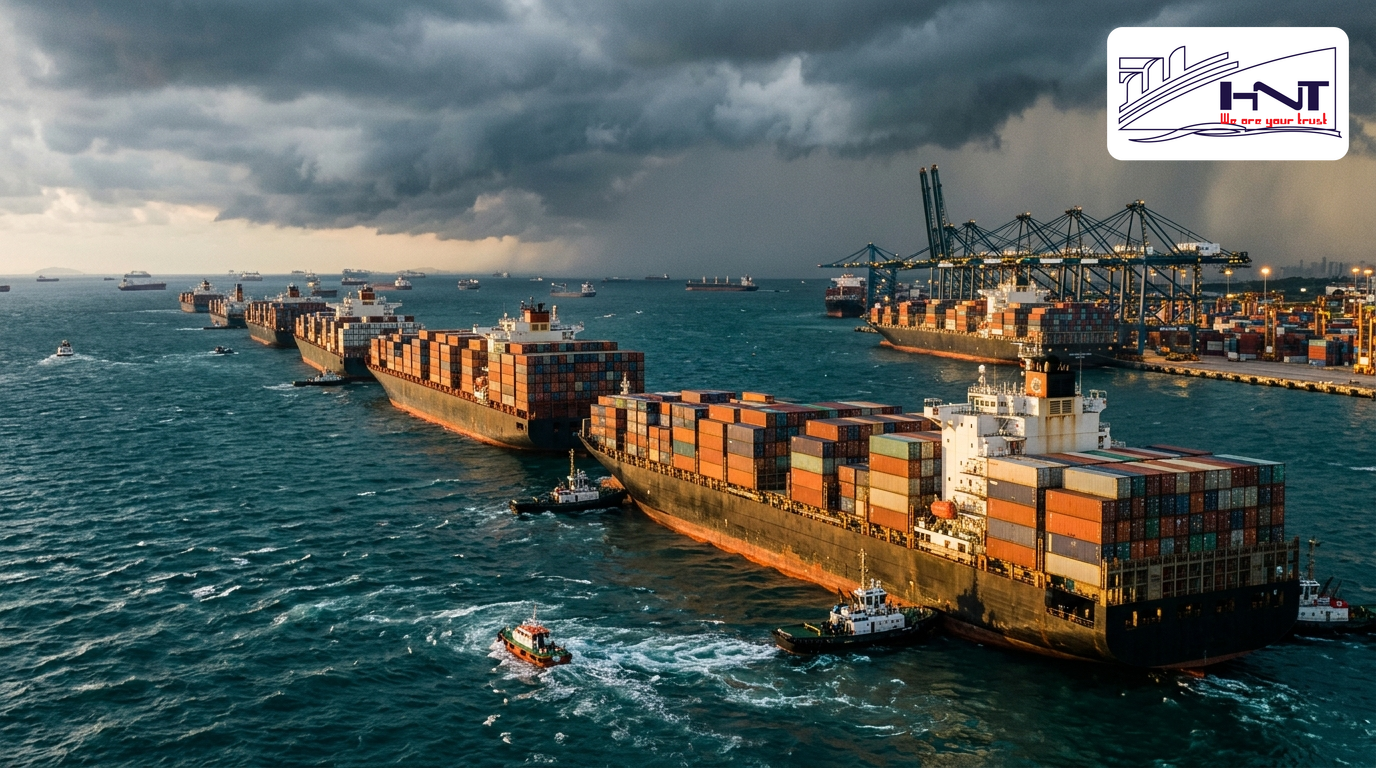
Market data to read before asking for prices
Drewry recorded the Shanghai to Rotterdam route at 4,392 USD per 40-foot container at the end of June 2026. The Shanghai to Genoa route was at 5,759 USD. These are not direct prices from Vietnam, but they indicate pressure on the Asia – Europe corridor.
Reuters reported that spot rates on Asia to United States routes nearly doubled during a period of energy tension in 2026. This reminds Vietnamese shippers not to sign sales contracts based only on old quotations. HNT LOGISTICS recommends check the slot price again before finalizing FOB, CIF or DDP terms.
| Elements | Impact on freight rates | Control method | Risks if ignored |
|---|---|---|---|
| Peak season | Increase in slot prices and surcharges | Reserve schedule 10-14 days in advance | Delayed export shipment schedule |
| Fuel | Increase BAF surcharge | Check quotation validity | Budget deviation |
| Container shortage | Increase empty container pickup fees | Confirm container type early | No refrigerated container available |
| Transshipment congestion | Extend transit time | Compare direct routes | Increase storage fees |
| Specialized inspection | Increase customs clearance time | Prepare documents in advance | Miss vessel cut-off date |
Why do quotations change weekly
Ocean freight quotations usually have a short validity period. The reason is that shipping lines allocate space by voyage, region, and forecast cargo volume. When North America routes have limited space, empty containers are prioritized for cargo with higher freight margins. When nearby routes have excess space, rates may be more competitive.
- Check the expiration date of the ocean freight quotation, as the base freight rate usually does not remain unchanged over multiple weeks.
- Clearly confirm the port of origin, destination port, and transshipment port to avoid comparing different routes incorrectly.
- Determine whether the trade term is FOB, CIF, or DDP before negotiating freight rates.
- Request a breakdown of the base freight and surcharges to see the true cost.
- Check the cargo cut-off date, empty container pickup date, and container return deadline at the destination port.
- For refrigerated cargo, confirm the temperature, ventilation, and power supply duration at the yard.
For example, Mekong Fresh Company in Tien Giang exported mangoes to Shanghai in a 40-foot refrigerated container. By booking 12 days in advance, the company secured space and avoided changing vessels. Additional incidental costs were reduced by about 380 USD compared with booking close to the cargo cut-off date.
Another example, An Binh Foods Factory in Ca Mau exported frozen shrimp to Los Angeles. The logistics team switched from a long transshipment schedule to one with fewer stops. Total transit time was reduced by four days, helping minimize temperature risks and refrigerated container storage fees.
Practical tip: do not ask “how much is the price” first. Instead, ask “what does this price include, how long is it valid, and does it guarantee space”.
Ocean freight rate table by route and container type
Ocean freight rate table below is only a reference framework for budgeting. Actual prices depend on the shipping line, cargo type, season, port of origin, destination port, and booking date. Cargo owners should treat this table as a cost map, not a fixed price commitment.
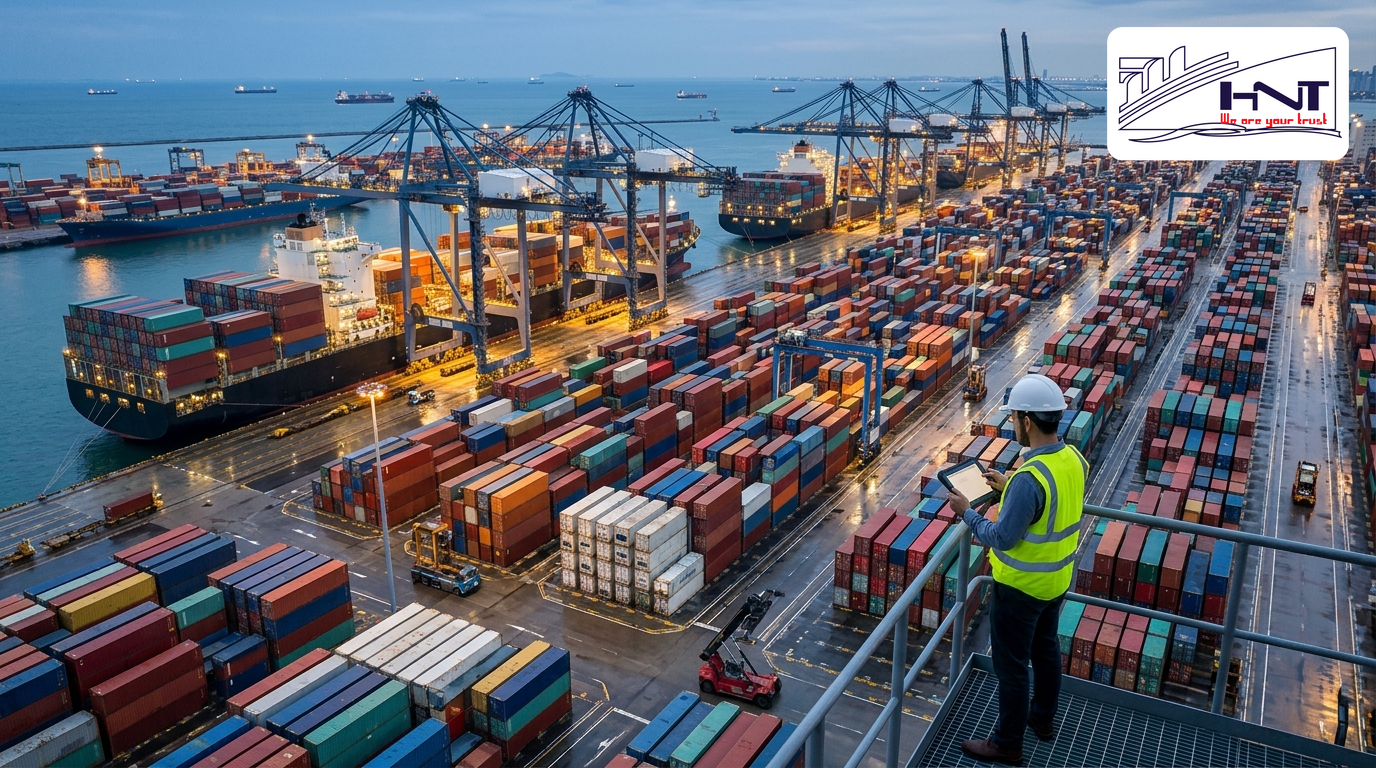
Nearby Asia routes and dry containers
Nearby Asia routes are suitable for consumer goods, packaging, manufacturing materials, and some dry agricultural products. Transit times are short, but local surcharges can still be significant. Cat Lai Port to Shanghai is often sensitive to feeder schedules and yard conditions.
| Reference route | 20-foot container | 40-foot container | Expected duration | Notes |
|---|---|---|---|---|
| Cat Lai Port – Shanghai | 180-420 USD | 280-650 USD | 5-8 days | Suitable for dry cargo |
| Cat Lai Port – Singapore | 120-300 USD | 220-480 USD | 3-5 days | Multiple transshipment sailings |
| Hai Phong Port – Busan | 220-520 USD | 360-760 USD | 6-9 days | Check peak shipping season |
| Da Nang Port – Bangkok | 250-580 USD | 420-850 USD | 6-10 days | Depends on consolidation schedule |
| Cat Lai Port – Jakarta | 260-620 USD | 450-930 USD | 7-11 days | Often incurs destination port fees |
US, Europe and reefer container routes
Long-distance routes have higher risks due to longer transit times and multiple transshipment points. For fresh fruits, seafood, frozen meat or pharmaceuticals, reefer containers must be controlled by temperature, ventilation and power supply duration. Based on HNT LOGISTICS experience, sea routes to the US need to be checked for both vessel schedules and inland delivery times after the port.
| Reference route | 40-foot dry container | 40-foot reefer container | Expected duration | Points to ask |
|---|---|---|---|---|
| Cat Lai Port – Long Beach | 2,400-4,800 USD | 3,800-6,900 USD | 22-32 days | Peak season surcharges |
| Hai Phong Port – Long Beach | 2,600-5,100 USD | 4,000-7,300 USD | 24-35 days | Transshipment schedule |
| Cat Lai Port – Rotterdam | 2,900-5,600 USD | 4,500-8,200 USD | 28-40 days | Fuel surcharge |
| Cat Lai Port – Hamburg | 3,000-5,900 USD | 4,700-8,500 USD | 30-42 days | Transshipment risk |
| Hai Phong Port – Melbourne | 1,600-3,200 USD | 2,900-5,400 USD | 18-27 days | Strict quarantine |
- Use a 20-foot container for heavy cargo with small volume when you need to optimize declared payload.
- Use a 40-foot container for light cargo with large volume when the cost per cubic meter is lower.
- Use a refrigerated container when the cargo requires a stable temperature from the warehouse to the destination port.
- Use less-than-container load (LCL) for small shipments, but check consolidation and deconsolidation times.
- Use a full container load (FCL) when you want to control the seal, schedule, and risk of damage.
- Ask about handling, documentation, and reefer electricity charges before comparing two quotations.
For example, Binh Minh Cashew Company in Binh Phuoc exports roasted cashews to Rotterdam. The business switched from 20-foot containers to 40-foot containers for two nearby orders. The cost per ton decreased by about 14%, although the total freight per container was higher.
A second example: Song Hau Fruit Company in Can Tho exports frozen durian to Busan. The operations team selected a 40-foot refrigerated container and set the temperature to minus 18 degrees C. Stable temperature records helped the Korean customer reduce quality complaints after receiving the goods.
Practical tip: an ocean freight rate table only shows the surface. The right decision must be based on total cost, transit time, and risk of damage.
What surcharges are included in ocean freight rates?
Sea freight rates is not just the base freight. An ocean freight quotation without surcharges may look cheap but end up costing more at settlement. Shippers should request an itemized cost breakdown because ocean shipping charges often include costs at both the port of origin and the destination port.

Carrier and port surcharges
Common surcharges include fuel surcharge, peak season surcharge, container imbalance surcharge, and security surcharge. In addition, ports may charge handling, scanning, storage, and reefer electricity fees. When reviewing shipping and ocean freight rates, check which surcharges are already included.
| Charge | Meaning | Commonly applied | Question to ask |
|---|---|---|---|
| Fuel surcharge | Compensates for fuel price fluctuations | Most long-haul routes | Already included in the freight? |
| Peak season surcharges | Compensates for peak season capacity shortages | United States, Europe | Valid until what date? |
| Container imbalance surcharge | Compensates for empty container shortages in the region | Trade lanes with imbalanced cargo flows | Does it apply in Vietnam? |
| Lifting fee | Container handling at the port | Port of departure and port of destination | Who pays? |
| Container demurrage fees | Container usage exceeded | When empty container return is delayed | How many free days? |
Documentation, inspection and customs clearance surcharges
Documentation costs are usually lower than freight charges, but they can cause significant delays. For agricultural products and seafood, phytosanitary inspection, animal quarantine, certificate of origin and food safety inspection must be finalized before the cargo loading date. Circular 86/2026/TT-BTC on tax administration for import and export goods takes effect from 01/07/2026, so businesses must review customs value, HS Code and tax documents.
- When checking ocean freight rates, ask the shipping line to confirm documentation fees, manifest filing fees and bill of lading amendment fees.
- Check the container storage free time, especially when importing machinery.
- Prepare the certificate of origin (C/O) if the buyer needs preferential tariff treatment.
- Check the HS Code before submitting the customs declaration, do not wait until just before the vessel departs.
- For refrigerated cargo, request confirmation of reefer electricity charges at the yard and the power connection period.
- For the EU market, pay attention to the food and plant import control system at the border checkpoint.
For example, Dai Phat Polymer Company in Dong Nai imports plastic resin from Singapore. The company forgot to include container storage charges after the seven free days. A one-week delay in returning empty containers resulted in an additional cost of 620 USD for two containers.
Another example, Long An Fruit Cooperative exports dragon fruit to China through Cat Lai Port. The quarantine documents were prepared two days in advance. The shipment avoided bill of lading amendments, saving 18 hours of processing and keeping the warehouse delivery schedule on time.
Practical tip: a quotation should have three layers. They are the base freight, mandatory surcharges and conditional surcharges.
How to check ocean freight shipping rates before booking a vessel
Ocean freight shipping rates and ocean freight rates are only reliable when the input data is sufficiently clear. If you only provide the cargo name and destination port, the ocean freight quotation is likely to be inaccurate. The service buyer should provide the correct cargo specifications, delivery terms, loading schedule and documentation requirements.
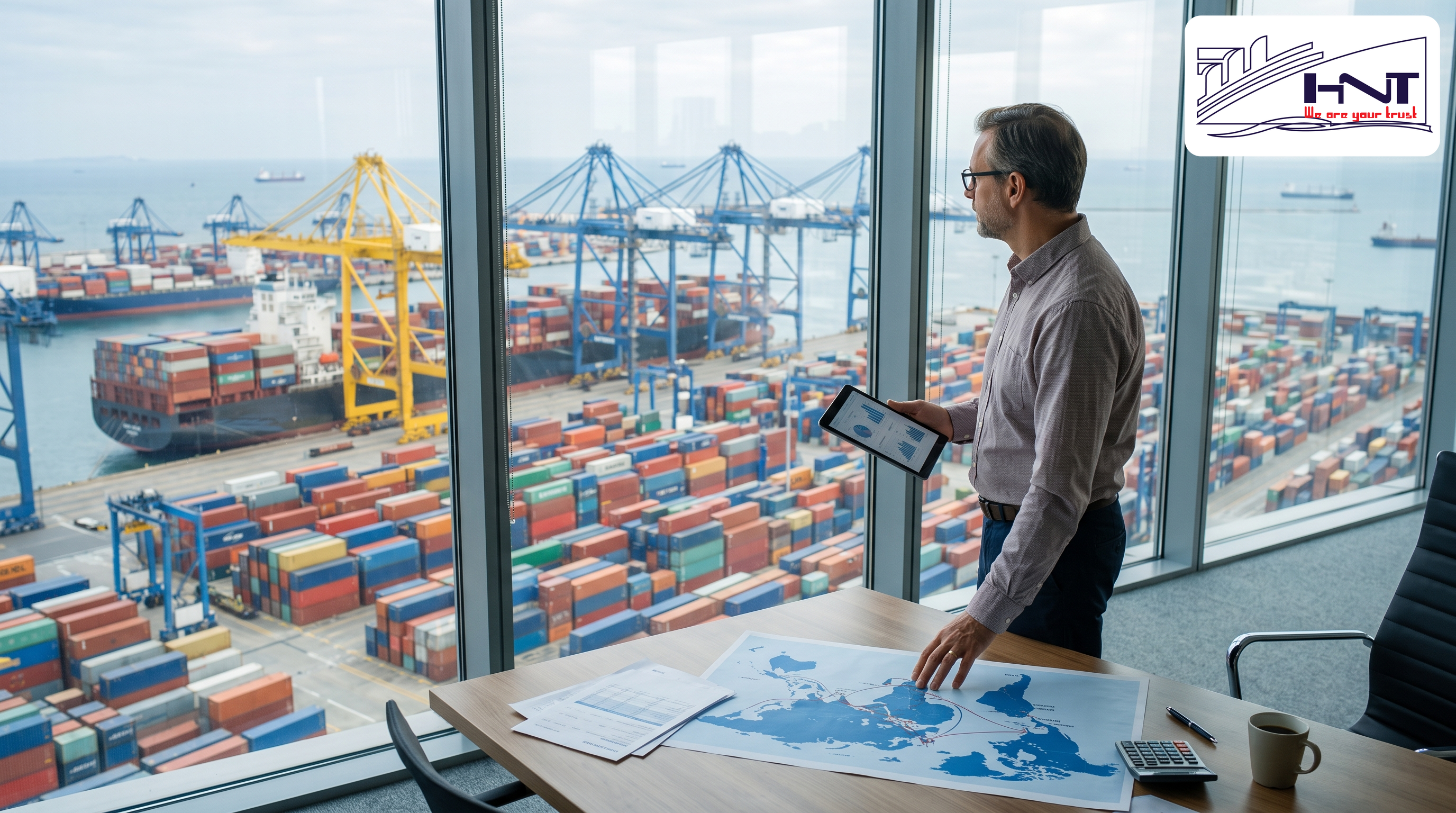
Data set required to receive an accurate quotation
A good ocean freight quotation request should help the forwarder understand both the cargo and the risks. For refrigerated cargo, include temperature, ventilation, humidity and pre-cooling time. For dangerous goods, include the classification code and the material safety data sheet, but they should not be consolidated with general cargo.
| Information to provide | Why it is important | Correct example | Common errors |
|---|---|---|---|
| Cargo name and HS Code | Determine cargo acceptance conditions | Frozen mangoes, estimated code | Too general |
| Number of packages, weight | Calculate payload and container type | 22 tons, 1,100 cartons | Missing volume |
| Port of departure and port of destination | Choose route and surcharges | Cat Lai Port – Long Beach | Enter United States only |
| Cargo closing date | Keep a suitable vessel schedule | Load on 12/08/2026 | No schedule available |
| Trade terms | Identify the party paying the charges | FOB Cat Lai Port | Confusing CIF with FOB |
Formula for comparing total costs
To compare ocean freight costs, add up all costs to the correct point of responsibility. The recommended formula is: total cost equals base freight plus carrier surcharges, port charges, documentation fees, inland transportation costs, and container detention contingency. According to experts at HNT LOGISTICS, every ocean freight quotation should be standardized to the same port, the same date, and the same delivery terms.
- Standardize the same container type, because reefer containers and dry containers cannot be compared directly.
- Standardize the same effective date, because quotations two weeks apart may differ significantly.
- Standardize the same destination port to avoid confusion between the seaport and the final delivery warehouse.
- Standardize the same trade terms, especially between FOB, CIF, and DDP.
- Include conditional surcharges, especially storage, container detention, and reefer electricity.
- Calculate time-related risk costs, because vessel delays may cause missed delivery schedules.
For example, Nam Viet Home Company in Binh Duong exports wooden furniture to Hamburg. Ocean freight quotation A was USD 260 lower, but the transit time was more than seven days longer. After adding warehouse costs and late delivery risk, quotation B actually saved USD 430.
Another example, Hai Nam Seafood Company in Bac Lieu exports frozen fish to Melbourne. The purchasing team chose a vessel schedule with a base rate 5% higher. In return, the transshipment time was six days shorter and reduced the risk of reefer electricity charges at the transshipment port.
Practical tip: the cheapest quotation is not always the lowest-cost option. The total ocean freight cost is the figure that should be protected.
Optimize ocean freight for Vietnam's import and export cargo
Sea freight rates should be optimized like ocean freight before negotiating with the buyer. If the sales contract does not include a logistics contingency margin, all market fluctuations will reduce profit. In 2026, Decree 201/2026/NĐ-CP amending export tax rates for certain goods takes effect on 23/07/2026, making cost reviews even more critical.
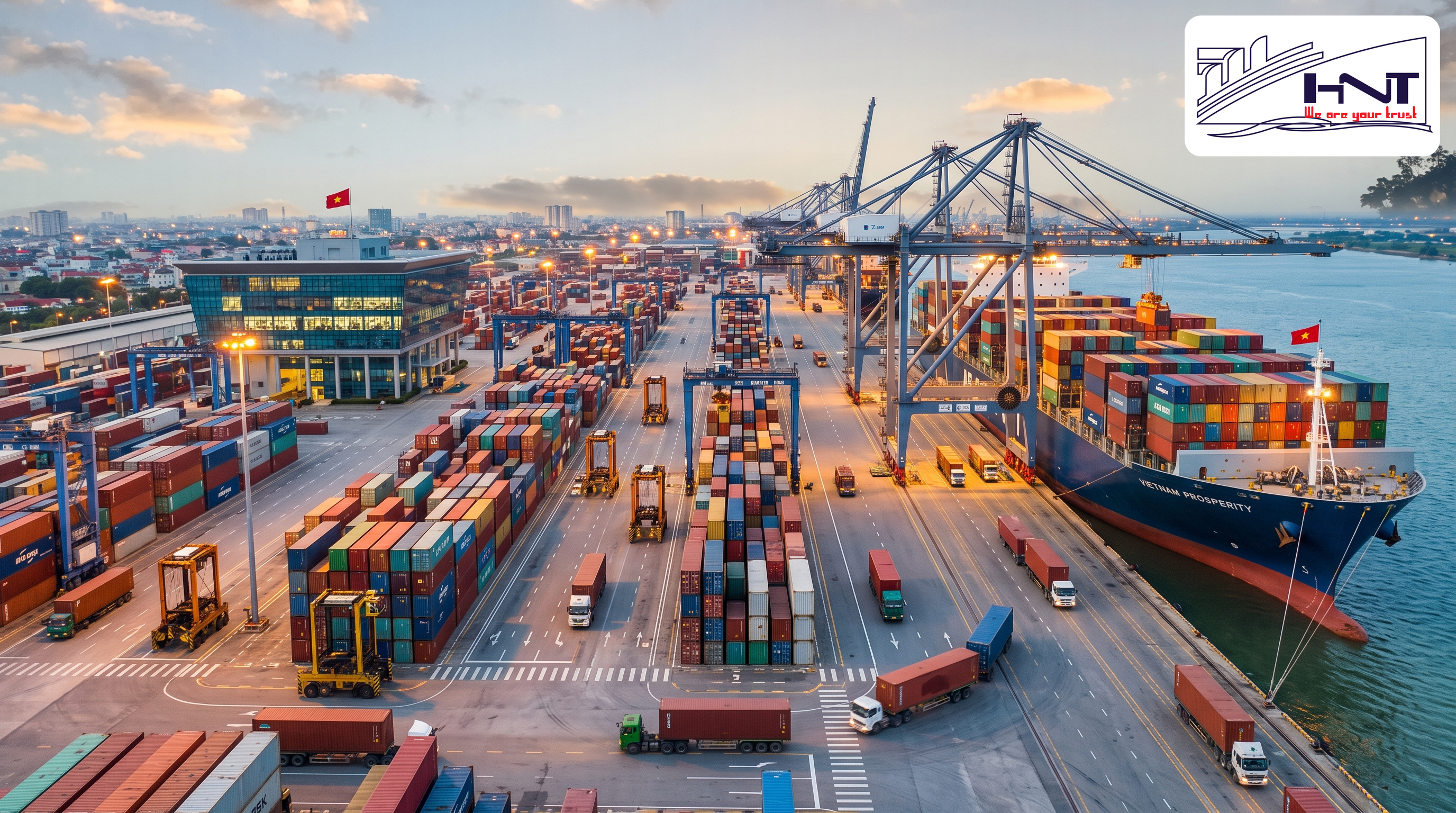
Strategies to reduce surcharge risks
Optimizing ocean freight does not mean forcing the lowest price at all costs. It means designing routes, schedules, containers, and documentation to reduce potential extra charges. For seasonal export goods, businesses should prepare budgets under three scenarios: normal conditions, space shortages, and customs clearance delays.
| Strategy | Apply when | Benefits | Required condition |
|---|---|---|---|
| Book early | Fruit season, year-end holidays | Reduce the risk of running out of space | Clear cargo loading plan |
| Consolidate shipments appropriately | Many small orders on the same route | Reduce cost per ton | Warehouse has consolidation schedules |
| Compare transit routes | Long routes, refrigerated cargo | Reduce delay risks | Complete vessel schedule data |
| Review documents early | Cargo requiring quarantine inspection | Avoid bill of lading amendments | Assign a person in charge |
| Negotiate free time days | Machinery imports | Reduce container detention charges | Forecast customs clearance time |
- Prepare a monthly ocean freight budget, do not use an old quotation for the entire quarter.
- Confirm who bears destination port charges in the sales contract.
- Check refrigerated container size standards before designing export packaging.
- Prepare customs brokerage services for shipments requiring specialized inspection.
- Maintain import-export document consultation records for each key market.
- Compare at least two vessel schedules, including transit time and transshipment points.
For example, Green Delta Company in Dong Thap exports frozen jackfruit to the United States. The company negotiated an additional five free days at the destination port. As a result, container storage contingency costs decreased by 22% during peak season.
As a final example, Minh Hai Aqua Company in Ca Mau exports frozen squid to Rotterdam. The operations team checked yard power supply schedules before loading. The shipment maintained stable temperature, generated no complaints, and did not require a vessel change.
Conclusion and key points to remember
Sea freight rates is a financial decision, not just a price line in an email. Businesses need to read freight rates by route, container type, surcharges and execution risks. If surcharge layers are ignored, a cheap ocean freight quotation can become an expensive decision.
- Always separate base freight, mandatory surcharges and conditional surcharges before finalizing prices.
- Use ocean freight rate reference tables by route for budgeting, but do not consider them fixed prices.
- Check the validity date of the ocean freight quotation, cut-off date and booking availability.
- For refrigerated cargo, confirm temperature requirements, yard power supply and transit time.
- For quarantine-controlled cargo, prepare documents at least two days before loading.
- Compare total costs, do not choose an ocean freight provider only because the base freight is low.
- Update tax, customs and import control regulations in the destination market.
When building an ocean freight cost estimate by route, container type and surcharges, HNT LOGISTICS can accompany exporters in Vietnam as a reputable forwarding and logistics partner. The right approach is to check ocean freight routes first, standardize quotations afterward, and only then confirm the vessel schedule.