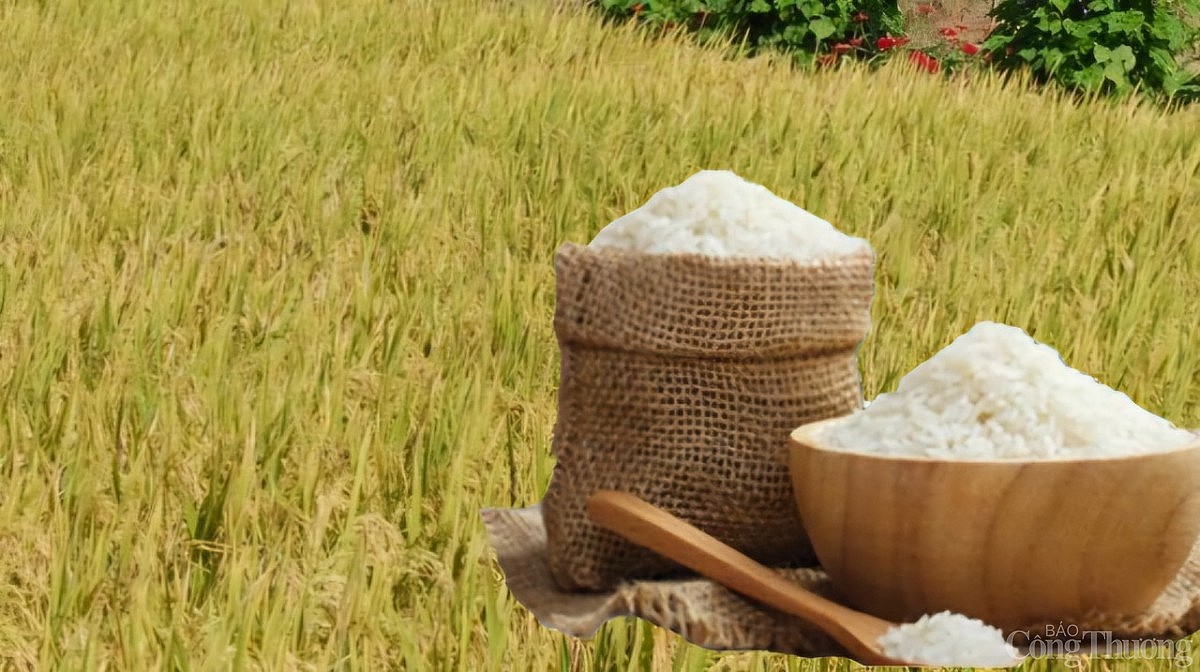
Agricultural export tax is currently one of the extremely important factors that businesses pay special attention to. They affect the business performance of Vietnamese companies in the current context of international economic integration. Mastering information and regulations on taxes not only helps businesses comply with the law but also brings many benefits in optimizing costs and increasing competitiveness. What are the details about this topic? Today, let's join HNT to explore useful information in the article below.
Peace of mind about taxes, peace of mind about exports. Mastering information and regulations on taxes helps businesses comply with the law, brings many benefits in optimizing costs, and increases competitiveness.
How much is the agricultural export tax?
Tax rate agricultural export has been specified in detail in the import-export tariff schedule of the Ministry of Finance. They hold an important role in promoting the national economy while supporting export businesses. According to current policies, many essential agricultural products, such as rice and coffee, are subject to a 0% export tax rate. This not only promotes and encourages businesses to increase exports but also enhances the competitiveness of Vietnamese agricultural products in the international market. However, for some products like durian, a 10% export tax rate is applied to regulate the domestic market and balance economic benefits.
Such a tax rate reflects preferential policies while demonstrating reasonable adjustments to suit the nature of each type of goods. For example, rice and coffee – strategic export items – are tax-exempt to ensure a stable supply and competitive prices. Conversely, durian – a product with high value and large export demand – is taxed to control export volume and retain value domestically.
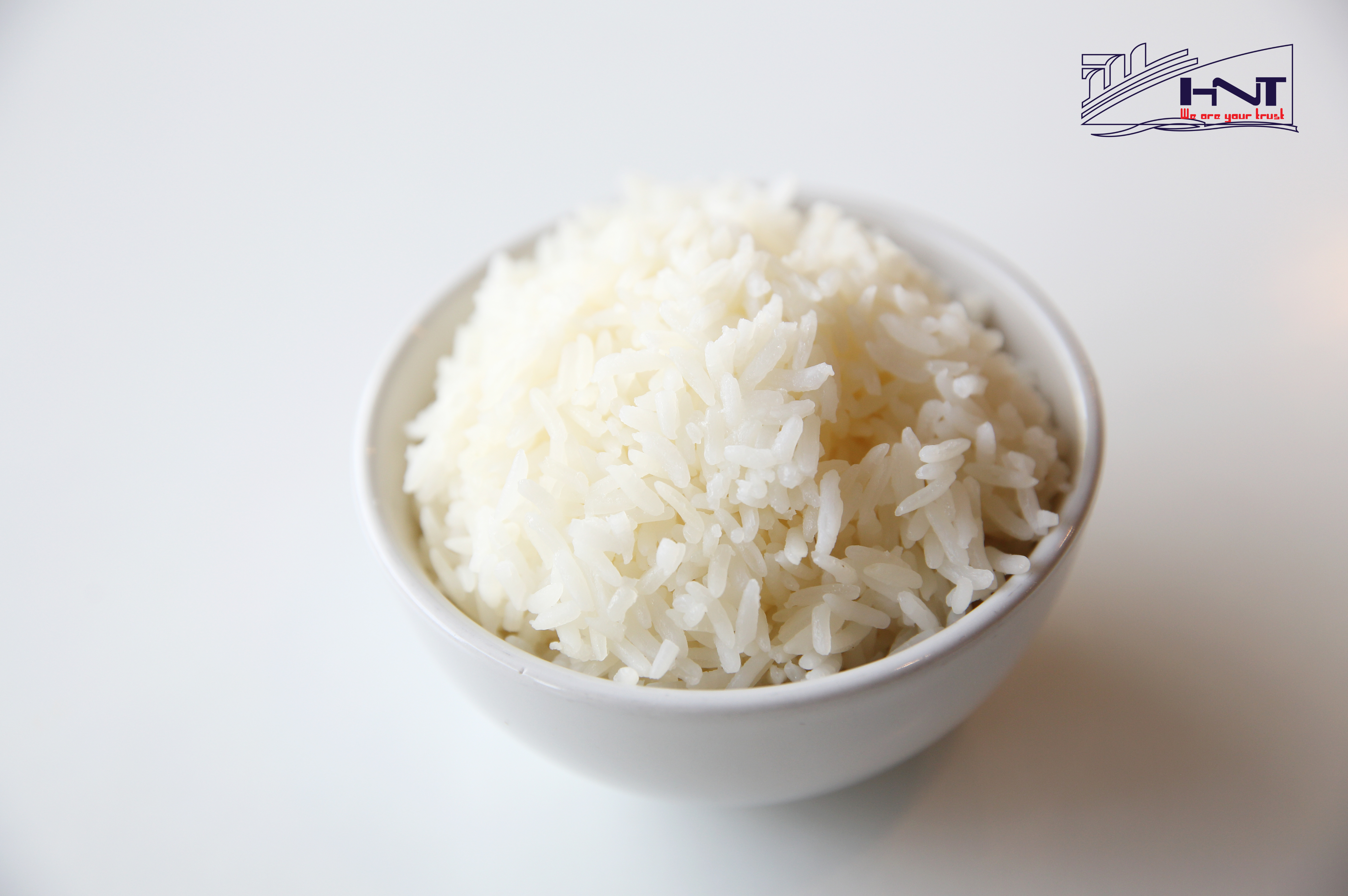
Rice and coffee – strategic export items – are tax-exempt
HS code system: Why do businesses need to understand it clearly?
HS code (abbreviated for Harmonized System) – an international code system used to classify products in import and export. Each product type possesses a unique HS code, helping customs authorities easily identify the type of goods and apply the corresponding export tax rate.
For agricultural products, applying the correct HS code is extremely important. If a business selects the wrong HS code, it can lead to higher export tax rates or even more troublesome legal problems. Therefore, businesses need to regularly update the latest HS codes and apply them accurately to ensure maximum benefits for themselves.
Benefits of complying with agricultural export tax regulations
Cost optimization
Paying taxes accurately is not only a legal responsibility but also brings practical benefits to businesses. According to tax law regulations, errors in declaration often lead to businesses facing administrative fines or late payment interest, which can amount to hundreds of millions of VND, depending on the severity of the violation.
For instance, a report from the General Department of Vietnam Taxation shows that in 2023, more than 20% of businesses inspected for taxes had to pay fines due to errors, significantly affecting profits. By ensuring accurate tax payment, businesses avoid unwanted incurred costs, while optimizing financial resources, focusing on core activities such as investing in products, services, or market expansion. This proves that strictly fulfilling tax obligations not only protects businesses from legal risks but also creates conditions for sustainable development.

Paying taxes in full helps businesses focus on core activities such as investing in products, services, or market expansion.
Enhancing reputation
Strictly complying with tax laws for exports not only helps businesses ensure the legality of their business operations but also builds a strong reputation in the eyes of partners, customers, and state management agencies. A business that always complies with legal regulations is often highly appreciated for transparency and responsibility, thereby building trust with stakeholders. This is especially important in international cooperation relationships, where partners often prioritize working with businesses that have clear legal records and no history of violations.
Furthermore, strict compliance also helps businesses avoid legal risks, such as unnecessary inspections or disputes, thereby maintaining stability in business operations. For example, an agricultural export business with clear and complete tax records will easily receive trade certifications and incentives from international organizations, creating more favorable conditions for market expansion.
Easily access incentives
The government often implements incentive programs to encourage export businesses to comply well with legal regulations. These businesses can benefit from tax reductions, financial support, or policies prioritizing participation in international trade promotion programs. Notably, some key export businesses have received funding to attend international fairs, expand markets, and increase global competitiveness.
Minimizing legal risks
Complying with legal regulations is an obligation, a smart strategy to help businesses avoid legal risks and time-consuming inspections from authorities. Following the correct process ensures cost and effort savings, creating a solid foundation. From there, it helps the company and business focus on developing core activities, optimizing work efficiency, and improving productivity. When strictly complying with regulations, one can produce with peace of mind as well as develop sustainably and expand the market without being interrupted by legal issues.

Complying with legal regulations is an obligation, a smart strategy to help businesses avoid legal risks and time-consuming inspections from authorities
Supporting effective financial management
When businesses fully fulfill tax obligations, planning or managing finances will become more transparent and clearer. Clarity in tax obligations helps control cash flow well and build effective financial strategies. In the long run, this not only ensures stability but also creates a solid foundation for businesses to develop sustainably and achieve effective business goals.
Summary of agricultural export tax
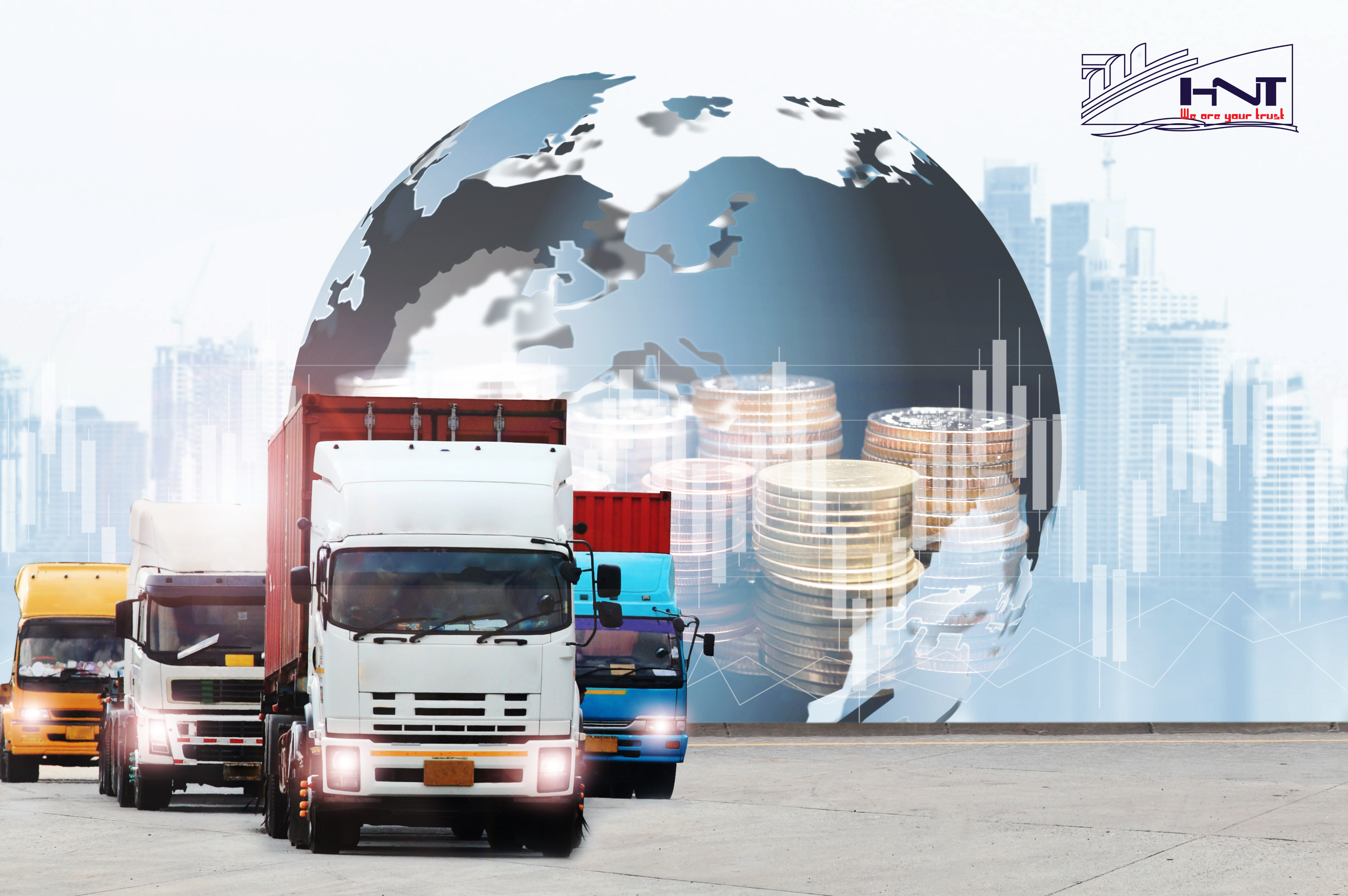
HNT Logistics is committed to helping Vietnamese businesses bring products to the world quickly, safely, and effectively.
Information about agricultural export tax is one of the important factors that businesses need to grasp and continuously update to take full advantage of opportunities in the current integrating international market. Complying with regulations, along with support from quality international shipping services like HNT Logistics, will help Vietnamese agricultural businesses enhance export value, build a strong brand, and increase competitiveness in the global market.
With a professional team and flexible international shipping services, HNT Logistics is committed to helping Vietnamese businesses bring products to the world quickly, safely, and effectively. Do not let complex regulations or high shipping cost issues hinder the business's development. Please contact us immediately at HNT Logistics for advice and support starting today!