

The transportation cost of an import-export shipment is not limited to the truck freight from point A to point B. For manufacturing, trading, and export businesses in Ho Chi Minh City, total costs are also affected by container pickup time, vessel schedules, port waiting time, handling fees, storage, container detention, customs procedures, and preservation requirements. Therefore, choosing a công ty vận tải tại TPHCM should be viewed from the perspective of controlling the entire cargo flow rather than simply comparing transportation rates.
Khi tìm hiểu về công ty vận tải tại TPHCM, một đơn vị có khả năng kết nối vận tải đường bộ, container FCL, đường biển, kho bãi, khai báo hải quan và chuỗi lạnh sẽ giúp chủ hàng giảm số đầu mối phải quản lý. Đây cũng là nền tảng để doanh nghiệp chủ động hơn trước cut-off, lịch tàu, thời gian đóng hàng và các tình huống phát sinh tại cảng. HNT Logistics phát triển dịch vụ theo hướng này, tập trung vào multimodal transportation, container transportation and import-export support operations.
What Is a Transport Company in HCMC? Analyzing Its Role in the Modern Goods Supply Chain
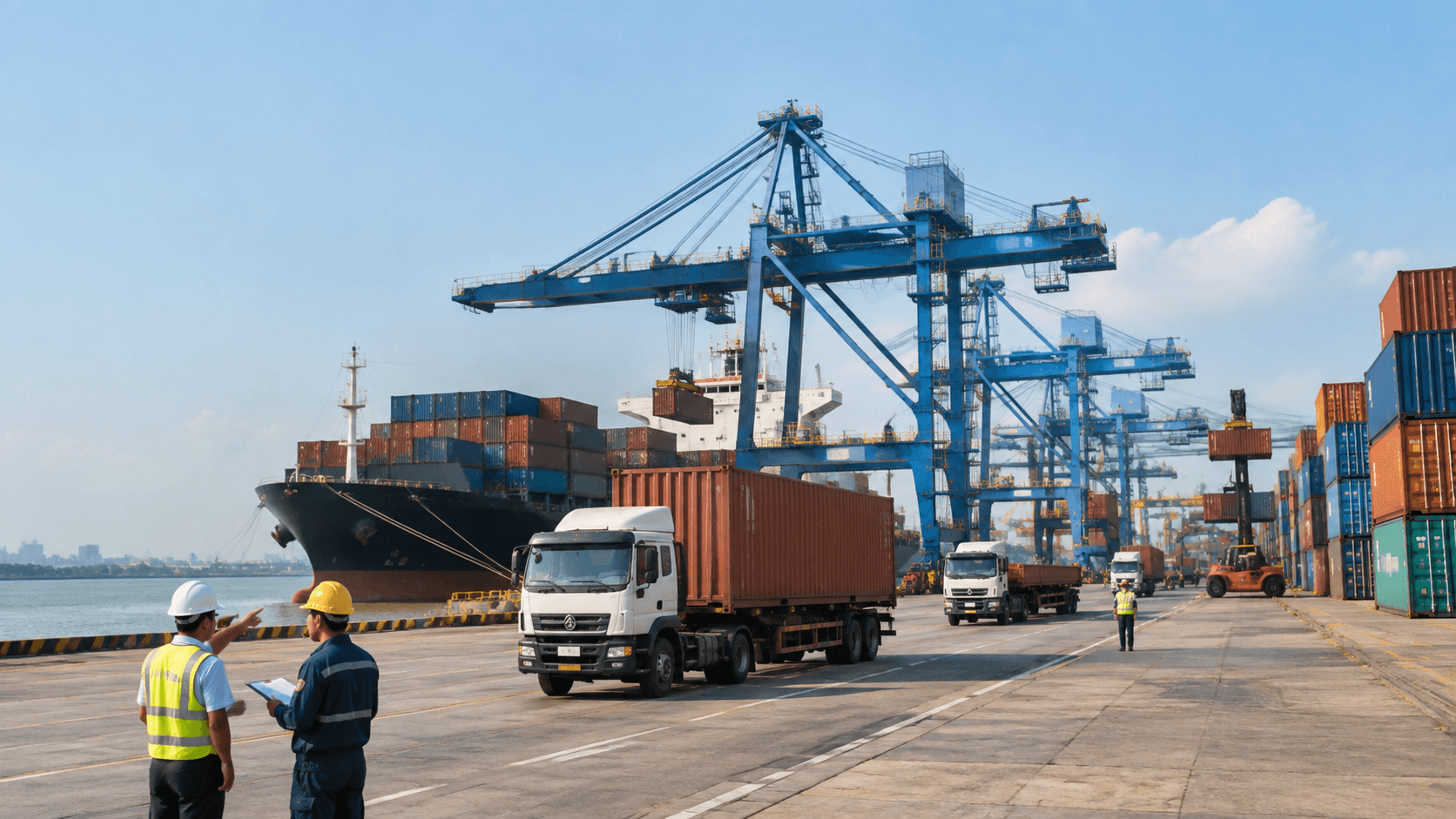
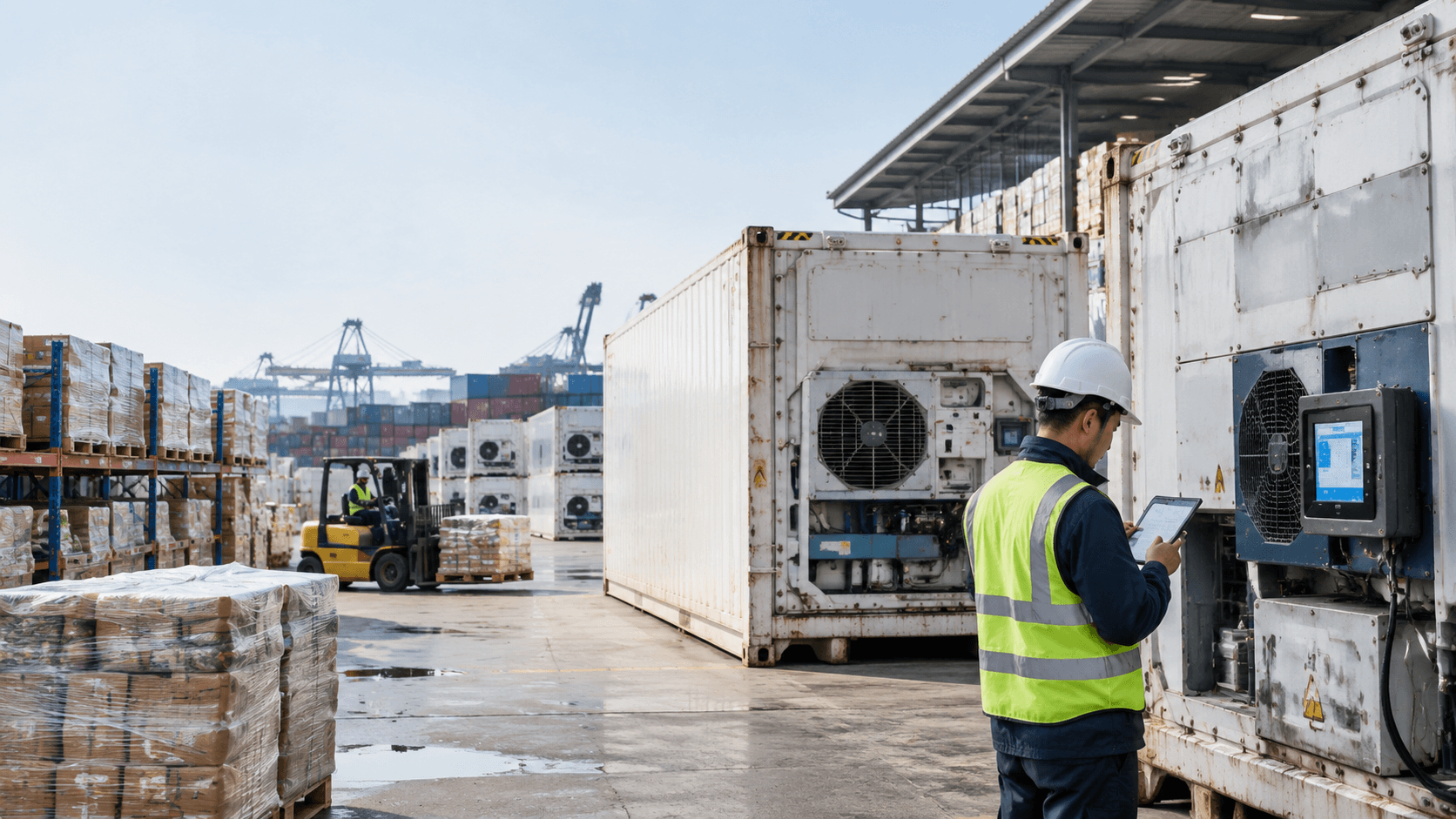
Overview of how transport companies in HCMC connect seaports, warehouses, and industrial parks
Đối với giải pháp công ty vận tải tại TPHCM, một công ty vận tải tại TP.HCM thường đảm nhận vai trò kết nối nhà máy, kho trung chuyển, ICD, depot, cảng biển và điểm giao hàng cuối. Với hàng xuất khẩu, luồng vận hành có thể bắt đầu từ việc lấy container rỗng tại depot, đưa về nhà máy đóng hàng, hạ container vào cảng và phối hợp theo lịch tàu. Chiều nhập khẩu diễn ra ngược lại, từ nhận lệnh giao hàng, lấy container tại cảng đến giao hàng và hoàn trả vỏ.
Trong quá trình vận chuyển và thông quan công ty vận tải tại TPHCM, đặc thù TP.HCM là lưu lượng hàng container lớn và liên hệ chặt với các khu công nghiệp tại TP.HCM, Bình Dương, Đồng Nai, Long An, Tây Ninh và khu vực Đông Nam Bộ. Do đó, năng lực của công ty logistics tại TPHCM are assessed not only by the number of vehicles but also by dispatching capabilities, time control, depot coordination, and the handling of port-related delivery and receipt milestones.
Differences Between Traditional Transport Providers and Logistics Companies in HCMC Offering Integrated Solutions
Để tối ưu chi phí và tiến độ công ty vận tải tại TPHCM, đơn vị vận tải truyền thống chủ yếu thực hiện một chặng vận chuyển theo lệnh của khách hàng. Trong khi đó, công ty logistics tphcm cung cấp giải pháp tích hợp thường tham gia từ bước phân tích tuyến, lựa chọn phương thức vận chuyển, bố trí container, phối hợp hãng tàu, xử lý chứng từ đến giao hàng cuối. Khác biệt nằm ở phạm vi kiểm soát và khả năng nhìn tổng chi phí logistics thay vì chỉ nhìn giá cước xe.
Theo kinh nghiệm vận hành thực tế của HNT Logistics về công ty vận tải tại TPHCM, ví dụ, một phương án vận tải có giá xe thấp nhưng khiến container chờ nhiều giờ tại kho hoặc phát sinh lưu bãi tại cảng có thể có tổng chi phí cao hơn phương án ban đầu. Vì vậy, doanh nghiệp nên so sánh theo tổng chi phí trên một lô hàng, thời gian vận chuyển, mức độ ổn định và khả năng xử lý ngoại lệ.
Key service groups include FCL container transportation, refrigerated containers, domestic freight forwarding, and multimodal transportation
Khi tìm hiểu về công ty vận tải tại TPHCM, với hàng xuất nhập khẩu, container FCL phù hợp khi chủ hàng sử dụng nguyên container để đóng một lô hàng. Container khô phục vụ máy móc, nguyên liệu, hàng tiêu dùng và nhiều nhóm hàng công nghiệp; container lạnh phục vụ thực phẩm, nông sản hoặc hàng cần kiểm soát nhiệt độ. Ngoài ra, giao nhận nội địa đảm nhiệm kết nối nhà máy, kho, cảng và trung tâm phân phối.
Đối với giải pháp công ty vận tải tại TPHCM, khi tuyến vận chuyển dài hoặc có yếu tố quốc tế, multimodal transportation allows road transportation to be combined with sea freight or cross-border legs. The practical value of this model is reducing the number of times businesses must coordinate independently among multiple providers and creating a unified transportation plan from pickup to delivery.
Factors Determining the Operating Capabilities of Logistics Businesses in the HCMC Import-Export Environment
Trong quá trình vận chuyển và thông quan công ty vận tải tại TPHCM, năng lực vận hành cần được đánh giá qua khả năng điều phối phương tiện, kinh nghiệm tuyến cảng, quản trị chứng từ, năng lực xử lý container lạnh và khả năng phản ứng khi lịch tàu hoặc thời gian giao nhận thay đổi. Đối với hàng xuất khẩu, chỉ một sai lệch trong thời gian lấy rỗng, đóng hàng hoặc hạ bãi cũng có thể ảnh hưởng đến kế hoạch lên tàu.
Để tối ưu chi phí và tiến độ công ty vận tải tại TPHCM, một tiêu chí khác là khả năng cung cấp dữ liệu trạng thái lô hàng. Doanh nghiệp cần biết phương tiện đã đến điểm lấy hàng hay chưa, container đã đóng xong chưa, đã hạ cảng hay chưa và chứng từ đang ở bước nào. Khả năng cập nhật này đặc biệt quan trọng với hàng lạnh và hàng có thời hạn giao nhận chặt.
How Do Transport Companies in HCMC Build Safe Goods Delivery and Receipt Procedures?
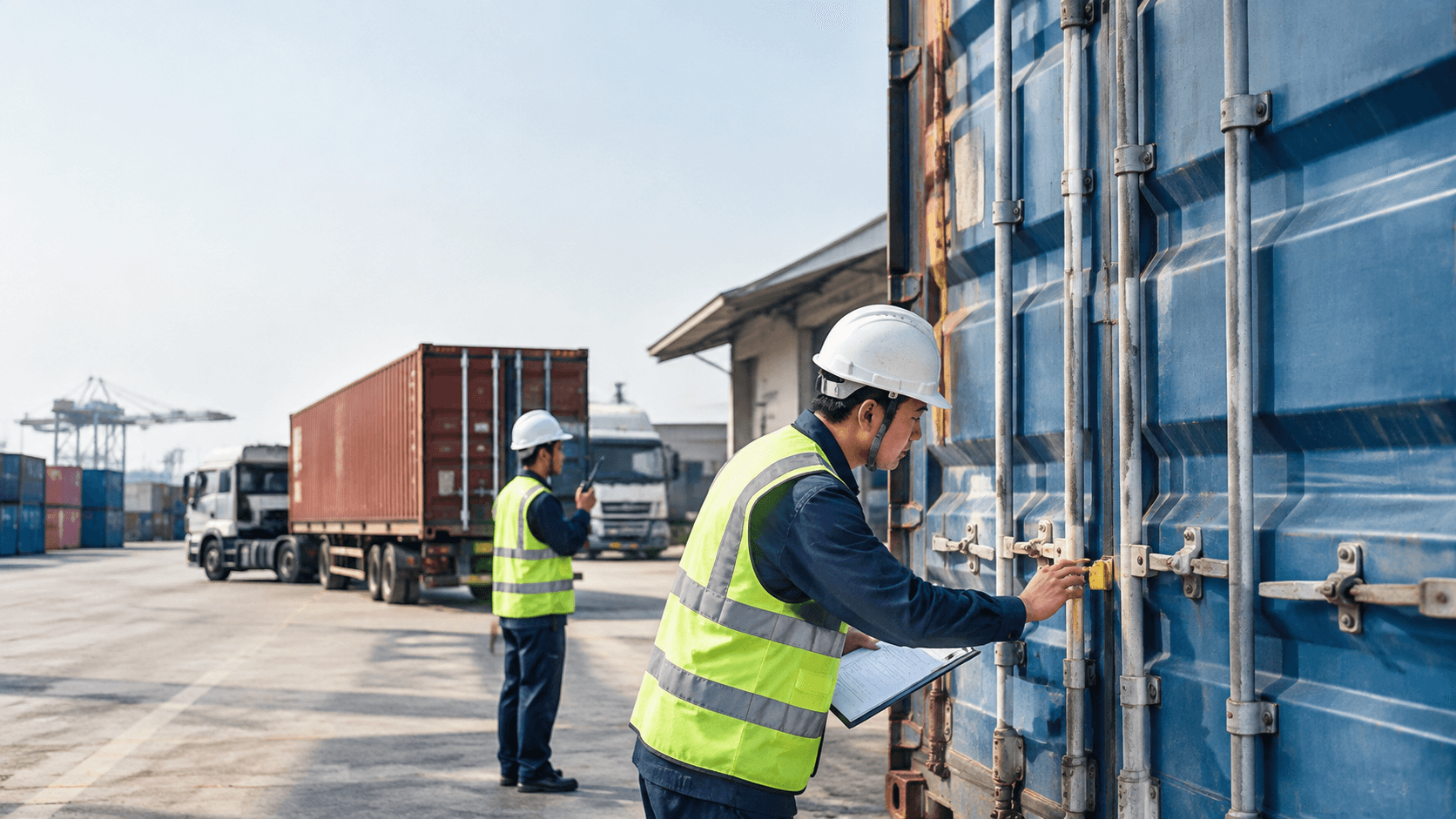
Receiving transportation requests, analyzing cargo types and routes, and selecting suitable vehicle solutions
Theo kinh nghiệm vận hành thực tế của HNT Logistics về công ty vận tải tại TPHCM, quy trình nên bắt đầu bằng việc xác định đầy đủ tên hàng, trọng lượng, thể tích, quy cách đóng gói, địa chỉ lấy và giao hàng, thời gian yêu cầu, loại container và điều kiện bảo quản. Với hàng xuất nhập khẩu, cần bổ sung cảng đi, cảng đến, booking, thời gian cut-off và các yêu cầu chứng từ liên quan.
For refrigerated cargo, asking only for the set temperature is not sufficient. The carrier must also clarify the cargo temperature when loading the container, ventilation requirements, humidity if applicable, transportation time, and power supply during waiting periods. A reefer essentially maintains established transportation conditions; it should not be regarded as equipment intended to rapidly cool a block of cargo that is still hot.
Process for dispatching tractor trucks, trucks, and containers from the pickup point to the final delivery location
After confirming the transportation order, the dispatch department plans vehicles based on pickup time, container type, load capacity, distance, and delivery time windows. For export containers, the process typically includes empty-container pickup, checking container condition, hauling it to the loading warehouse, sealing it, and transporting it to the port according to the terminal delivery plan.
For imports, the time when the cargo becomes eligible for pickup must be synchronized with the vehicle plan. Dispatching a vehicle too early increases waiting time; dispatching too late may affect the container free time or delivery schedule. This is why container dispatching must be linked to document status and cargo status at the port.
Controlling transportation documents including delivery receipts, dispatch orders, import-export documents, and handover records
Transportation documents should clearly reflect who delivered, who received, which vehicle was used, the container number, seal number, receipt time, and cargo condition at each handover point. For import-export cargo, delivery receipt information should be reconciled with the booking, bill of lading, and commercial documents to minimize discrepancies between documents and actual cargo.
An effective control system does not treat documentation as work to be completed after the truck trip. Data must be checked before the vehicle departs, at the handover point, and when the trip ends. This enables faster responsibility tracing when packages are missing, seals are incorrect, addresses are wrong, or disputes arise regarding cargo condition.
Solutions for route monitoring, cargo status updates, and handling unexpected situations during transportation
Route monitoring helps businesses control progress but needs to be combined with an exception-alert process. Common situations include traffic congestion, vehicle breakdowns, changes to loading times, port schedule adjustments, incomplete documents, or technical alerts from refrigerated containers.
Instead of reporting an incident only after it has affected the delivery schedule, the logistics provider should establish control milestones in advance. When an important milestone is expected to be delayed, dispatchers can change vehicles, coordinate with the warehouse, or notify the cargo owner to address the issue before costs become significantly higher.
Logistics Companies in HCMC Optimize Transportation Costs Through Multimodal Logistics Solutions
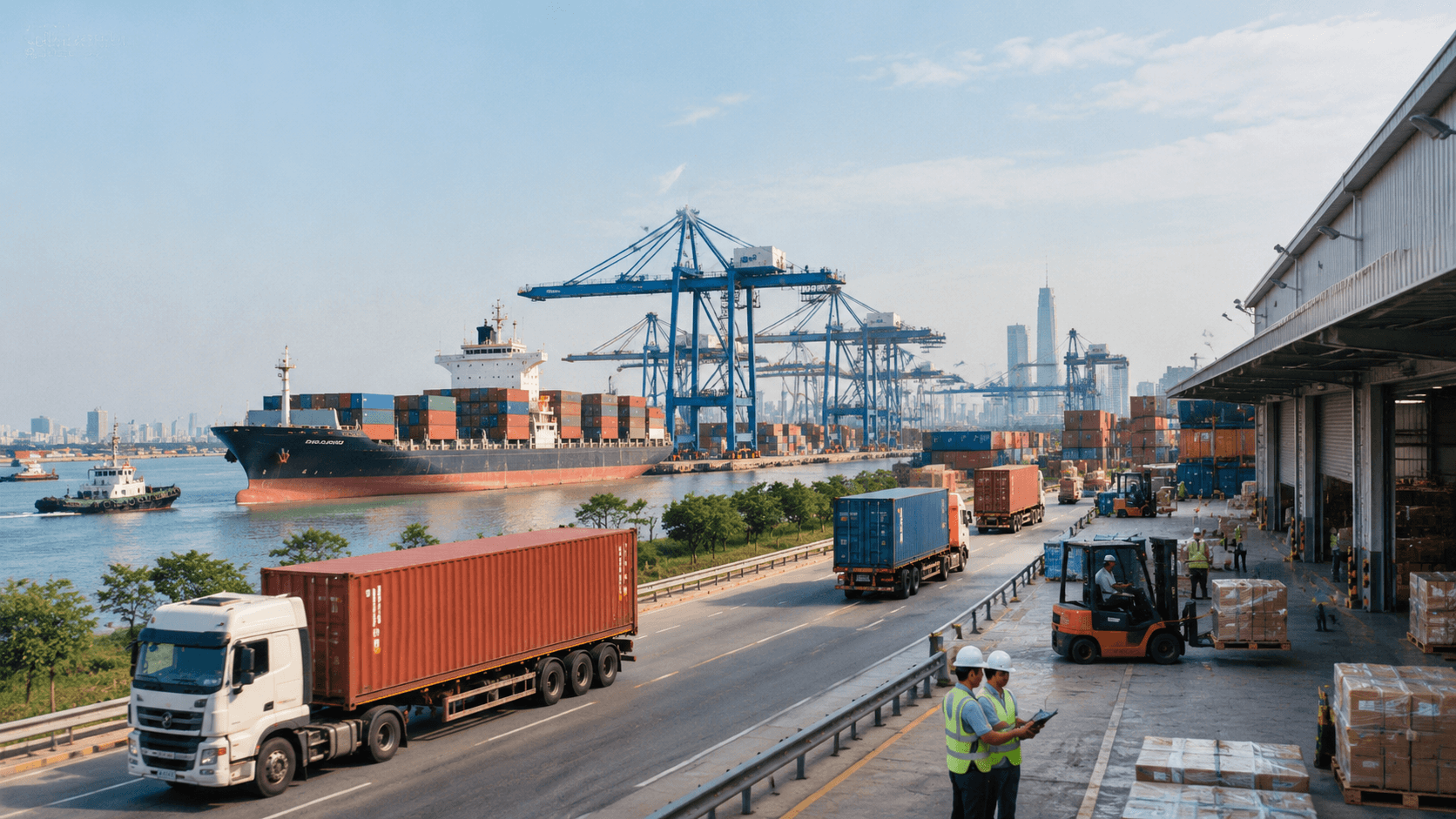
Analysis of factors affecting logistics costs including distance, container type, delivery time, and preservation requirements
Transportation costs are formed from many variables: distance, load capacity, vehicle type, 20-foot or 40-foot container, dry or reefer container, waiting time, and delivery conditions. For refrigerated cargo, costs are also associated with refrigeration units, fuel or power supplies for maintaining the container, and temperature-control requirements.
Therefore, a quotation is meaningful only when the service scope is clearly defined. Cargo owners should check whether handling charges, waiting fees, road tolls, container detention, storage, after-hours charges, and specialized procedures are included. This is how to avoid a situation where the initial price is low but the final settlement is high.
Combining sea and road transportation to reduce transshipment costs and improve supply chain efficiency
Road transportation has advantages in flexibility and door-to-door delivery, while sea freight is suitable for large volumes and long routes. Combining the two modes allows businesses to use trucks for the first and last legs while the main leg is carried out by sea when route and timing conditions permit.
Efficiency does not come from always choosing the mode with the lowest freight rate, but from designing the right route structure. For cargo requiring very fast delivery, road transportation may be more appropriate. For large-volume container cargo with a plannable delivery schedule, combining sea and road transportation often creates opportunities for better cost control.
Optimizing container turnaround and limiting storage, container detention, and vehicle waiting costs
A container waiting idle is an asset that creates no value but may still generate costs. Therefore, the cargo-loading schedule should be synchronized with empty-container pickup, terminal delivery, and cut-off times. For imports, businesses must monitor free time, cargo pickup plans, and empty-container returns to reduce the risk of detention or related charges.
Operational experience at port clusters shows that optimizing just a few hours of waiting for one truck trip, when multiplied by dozens or hundreds of containers each month, can create a significant difference in costs. This is one of the areas where dispatching capabilities have a direct value for the logistics budget.
Applying transportation management technology to help businesses control logistics budgets more transparently
A transportation management system can centralize data on vehicle orders, routes, vehicles, delivery and receipt times, and additional costs. When data is standardized, businesses can analyze costs by route, container, or customer instead of only reviewing the total invoice at the end of the month.
Minh bạch dữ liệu còn hỗ trợ phát hiện các điểm gây lãng phí như thời gian chờ kho quá dài, tỷ lệ xe chạy rỗng cao hoặc phát sinh lưu container lặp lại. Từ đó, công ty logistics tại TPHCM có thể cùng chủ hàng điều chỉnh lịch đóng hàng và kế hoạch phương tiện dựa trên dữ liệu thực tế.
Goods Transportation Specifications in HCMC by Container, Route, and Preservation Requirements
Container dimensions table for 20-foot, 40-foot, refrigerated containers, and suitable cargo groups
The dimensions below are common reference specifications for ISO containers. Internal dimensions, payload, and actual capacity may vary by manufacturer, production year, and shipping-line equipment. When loading close to limits, businesses must check the specific container and the specifications on the CSC plate rather than relying solely on a general conversion table.
| Type of Container | Approximate external dimensions L × W × H | Approximate internal dimensions L × W × H | Reference capacity | Suitable cargo groups |
|---|---|---|---|---|
| 20′ Dry | 6.058 × 2.438 × 2.591 m | 5.90 × 2.35 × 2.39 m | Approximately 33 m³ | Heavy cargo, machinery, raw materials, packaged goods |
| 40′ Dry | 12.192 × 2.438 × 2.591 m | 12.03 × 2.35 × 2.39 m | Approximately 67-68 m³ | Industrial goods, consumer goods, large-volume cargo |
| 40′ High Cube | 12.192 × 2.438 × 2.896 m | 12.03 × 2.35 × 2.70 m | Approximately 76 m³ | Light but bulky cargo, goods requiring additional height |
| 20′ Reefer | 6.058 × 2.438 × 2.591 m | Approximately 5.44 × 2.29 × 2.27 m | Approximately 28 m³ | Food, agricultural products, temperature-controlled cargo |
| 40′ HC Reefer | 12.192 × 2.438 × 2.896 m | Approximately 11.58 × 2.29 × 2.54 m | Approximately 67 m³ | Agricultural products, chilled food, large-volume refrigerated shipments |
Refrigerated containers have insulation and a refrigeration unit, so usable space is smaller than that of a dry container of the same nominal size. When loading, the air-return path must be maintained and the load line must not be exceeded. The temperature-maintaining capability of common reefers generally falls within a broad range, but the specific setpoint must be based on the cargo, maturity level, pre-cooling process, and buyer requirements.
Temperature range analysis table for refrigerated containers transporting fresh agricultural products such as durian, dragon fruit, mangoes, and jackfruit
There is no single temperature value applicable to every fruit shipment. Cultivar, harvest maturity, transit time, post-harvest technology, packaging, ventilation, and market requirements all affect the setpoint. The table below is therefore for preliminary planning only; before transportation, the shipper's technical procedures and import requirements must be confirmed.
| Item | Reference temperature range for transportation | Key points to monitor |
|---|---|---|
| Fresh durian | Usually around 12-15°C depending on variety and maturity | Pre-cooling, maturity, ventilation, transit time, and market requirements |
| Dragon Fruit | Usually around 5-10°C depending on the preservation process | Limiting water loss, chilling injury, and controlling humidity |
| Mango | Usually around 10-13°C depending on variety and maturity | Avoiding excessively low temperatures that cause chilling injury; controlling the ripening process |
| Jackfruit | Usually around 10-13°C depending on variety, maturity, and cargo form | Controlling ripening, ventilation, and transportation time |
For agricultural products, temperature deviations of several degrees over a long period can affect commercial quality. Businesses should not set temperatures solely based on internet tables. Setpoint, ventilation, and other parameters should be confirmed against the technical requirements of the cargo owner, importer, or post-harvest process applicable to the specific shipment.
Comparison table of sea, road, and multimodal transportation options according to different business needs
| Method | Operational advantages | Key points to monitor | Suitable needs |
|---|---|---|---|
| Road | Flexible, door-to-door delivery, schedule control | Traffic congestion, load capacity, driving time, long-route costs | Short distances, urgent delivery, factory-to-port connections |
| Sea | Suitable for large volumes and full containers | Vessel schedules, cut-off times, port time, surcharges | FCL cargo, long routes, import-export |
| Multimodal transport | Combines the advantages of multiple transportation modes | Synchronizing schedules and documents between legs | Long supply chains, interprovincial, cross-border |
The choice should be based on the total cost of ownership of the journey. A sea route with a low main freight rate may not necessarily be the most economical option if the transit time is long, storage costs arise, or the production plan is affected. Conversely, using road transportation for an entire long route can also increase costs when the volume is large.
Table of logistics costs including transportation, handling, storage, quarantine, and customs clearance procedures
| Cost group | Content | Cost-changing factor |
|---|---|---|
| Transport | Truck freight, tractor truck, road leg or sea leg | Distance, load capacity, container type, transportation timing |
| Handling | Container handling at depot, warehouse, or port depending on the plan | Location, equipment type, and operator tariff |
| Storage/yard storage | Cargo or container storage costs | Number of storage days, cargo type, preservation conditions |
| Refrigerated Container | Costs related to container usage and return periods | Free time, shipping line, and number of incurred days |
| Quarantine | Registration, inspection, and related operations according to cargo type | Agricultural product type, market, and specialized requirements |
| Customs | Customs declaration and clearance processing | Type of import-export regime, cargo type, regulatory policies, and inspection level |
Bảng trên không phải biểu giá cố định. Cước thực tế phụ thuộc tuyến, thời điểm, hãng tàu, cảng, depot, đặc tính hàng và phạm vi công việc. Khi yêu cầu báo giá, doanh nghiệp nên cung cấp đủ thông tin để công ty vận tải tại TPHCM bóc tách chi phí và xác định rõ khoản nào đã bao gồm, khoản nào tính theo phát sinh.
Logistics Companies in HCMC Controlling Customs and Import-Export Procedures in the Transportation Chain
Preparing the customs declaration document set including invoice, packing list, bill of lading, and cargo documents
Commercial documentation usually starts with the commercial invoice, packing list, contract or related transaction documents, bill of lading, and permits or specialized documents depending on the cargo. However, mandatory customs documentation should not be mechanically understood as the same checklist for every shipment; the import-export regime and cargo management policies determine which documents must be submitted or presented.
Before declaration, the cargo name, HS code, quantity, weight, value, origin, and buyer-seller information must be reconciled across documents. Businesses need to update customs regulations that is in effect at the time the declaration is opened, especially for goods subject to permits, specialized inspections, or specific tax policies.
- The commercial invoice and packing list must contain consistent commercial information, quantities, and cargo specifications.
- The bill of lading or transportation data must correspond to the actual journey.
- Permits, specialized inspection certificates, or quarantine documents should be prepared when the cargo is subject to regulatory requirements.
- The C/O is processed according to the requirements of the relevant agreement, market, and objective of obtaining preferential origin treatment when conditions are met.
Process for coordinating specialized inspections, plant quarantine, and customs clearance for exported agricultural products
For fresh fruit exports, plant quarantine is a link that must be planned together with the loading and transportation schedule. Vietnam's plant protection authorities publish and update quarantine requirements, growing-area codes, packing facilities, and related information by market and commodity. For China, many types of fruit are regulated under specific protocols or technical requirements.
Therefore, exporters of durian, dragon fruit, mangoes, jackfruit, or other agricultural products should not apply one general procedure to all products. They need to check market access status, growing-area codes, packing facilities, quarantine requirements, and specific conditions currently in effect for the commodity at the time of export. Specialized authorities have also emphasized management, traceability, and quarantine requirements for exported agricultural products.
Controlling preservation requirements for refrigerated, perishable, and temperature-monitored cargo
Refrigerated cargo needs to be controlled before the container is loaded. The products must meet the appropriate temperature conditions according to the cargo owner's procedures; the container must be checked for cleanliness, refrigeration-unit condition, power supply, and set parameters. During loading, airflow must be maintained and the permitted limits of the reefer must not be exceeded.
During transportation, handover milestones must record the condition of the container and seal. If temperature-recording equipment is used, the data should be stored for traceability. An important principle is not to change the setpoint without confirmed instructions, because incorrect temperature adjustments can alter cargo quality or create liability disputes.
The role of logistics providers in connecting businesses, shipping lines, customs authorities, and transport providers
Logistics providers coordinate information among cargo owners, shipping lines, ports, depots, regulatory authorities, and transport vehicles. The value of this role becomes clear when a change at one stage affects the entire chain, such as a vessel schedule change requiring adjustments to cargo-loading times and vehicle schedules.
From a compliance perspective, logistics providers do not replace the cargo owner's legal responsibilities but can support data and document-progress checks. Referring to customs regulations and guidance from specialized authorities before implementation helps limit situations where the vehicle has already arrived at the port but documents or customs-clearance conditions have not been completed.
Transport Companies in HCMC Providing Safe Saigon Shipping Solutions for Businesses
Saigon shipping options by demand group, including less-than-container-load cargo, full-container-load cargo, and industrial production cargo
Demand Saigon shipping for businesses can be divided into less-than-container-load cargo, full-container-load cargo, and industrial production cargo. For LCL cargo, the focus is consolidation, packaging, and delivery scheduling. For FCL, businesses need to control containers, tractor trucks, and port schedules. Industrial cargo may require vehicles suitable for its weight, dimensions, and loading and unloading conditions at the factory.
Correct classification from the beginning helps avoid using vehicles with excessive or insufficient capacity. A shipment may have a large volume but low weight, creating a different problem from dense, heavy cargo. Therefore, package dimensions, total weight, and loading arrangement are the basis for selecting vehicles rather than simply the number of packages.
Goods transportation solutions to HCMC combining warehousing, domestic distribution, and door-to-door delivery
For the need to vận chuyển hàng đi TPHCM, the solution can combine long-distance routes with transit warehousing and last-mile delivery. This organization is suitable when goods from multiple provinces are brought to HCMC for distribution to multiple customers or when businesses need to consolidate cargo before export.
The efficiency of this model depends on warehouse dwell time and the ability to synchronize vehicle schedules. If goods enter the warehouse but the distribution plan is not ready, storage and handling costs increase. Therefore, the warehouse should serve as a cargo-flow coordination point rather than a place for unplanned prolonged storage.
Controlling cargo safety through packaging, sealing, monitoring, and handover procedures
Cargo safety begins with packaging appropriate to the product characteristics and transportation mode. Fragile goods require impact-resistant materials; palletized cargo needs securing; containerized cargo must have a proper weight distribution. Once loading is completed, the seal and container number must be accurately recorded in the handover documents.
At each transfer point, packaging condition, package count, seal, and handover time must be confirmed. For high-value cargo or chains with multiple transit points, retaining proof of delivery and route data can significantly reduce verification time when claims arise.
HNT Logistics Provides Multimodal Transportation Solutions to Help Businesses Optimize Costs and Delivery Times
HNT Logistics aims to build solutions around the entire journey rather than separating individual truck trips. When a shipment needs to connect a factory, port, vessel, border gate, or final delivery point, multimodal transportation helps unify planning across legs and reduce the number of parties businesses must coordinate directly.
For each shipment, the plan needs to balance three variables: cost, time, and risk level. Refrigerated cargo may prioritize stability and timing; large-volume industrial cargo may prioritize carrying capacity; cargo with urgent delivery schedules needs to prioritize vehicle flexibility.
HNT Logistics – Logistics Company in HCMC Supporting Business Supply Chain Optimization
Providing dry-container, refrigerated-container, and tractor-truck transportation connecting HCMC seaports
HNT Logistics provides road and sea FCL container transportation solutions, container hauling, and refrigerated cargo transportation according to business requirements. In the southern region, transportation solutions can connect warehouses, factories, and HCMC port clusters, including the Cat Lai area, while also organizing interprovincial routes for production and import-export activities.
For businesses with North-South cargo flows, HNT Logistics can develop dry-container or specialized refrigerated-vehicle solutions according to cargo characteristics. The focus is not only on arranging vehicles but also on controlling delivery schedules, transit points, and preservation requirements throughout the journey.
Combining customs declarations, plant quarantine, and Vietnam–Laos–China transit transportation
For import-export cargo, HNT Logistics supports coordination of customs declarations, C/O, plant quarantine, and international transportation within the service scope agreed with customers. For agricultural exports to China, documentation must follow the requirements applicable to each commodity, including quarantine and traceability conditions where required.
On the Vietnam–Laos–China route, the issue involves not only distance but also documents, border gates, vehicle schedules, and regulations for each leg. Businesses should check current legal requirements before each shipment rather than assuming that the procedures for a previous shipment remain exactly the same for the next one.
Building flexible logistics solutions according to cargo characteristics, transportation routes, and cost objectives
An effective logistics solution should begin with actual shipment data. HNT Logistics analyzes pickup and delivery points, volume, containers, required timing, preservation conditions, and related procedures before proposing a route. This approach helps businesses compare options based on total cost rather than choosing solely on the basis of a single freight rate.
For businesses with regular transportation flows, historical data can be used to assess waiting times, incident rates, and costs for each route. This provides a practical basis for adjusting loading schedules, transportation frequency, and container planning in subsequent periods.
HNT Logistics is committed to becoming a trusted transportation partner helping businesses control cargo safety throughout the supply chain
A công ty vận tải tại TPHCM is suitable for import-export businesses that need the ability to connect transportation, documentation, and progress control into a unified process. When cargo flow is managed at each milestone from pickup, container loading, transportation, port delivery, to final delivery, businesses have a better basis for controlling costs and reducing unnecessary incidents.
HNT Logistics tập trung vào vận tải container FCL, kéo container, vận tải hàng lạnh Bắc – Nam, khai báo hải quan, C/O, kiểm dịch thực vật và vận tải liên vận Việt Nam – Lào – Trung Quốc. Doanh nghiệp cần xây dựng phương án gửi hàng Sài Gòn, vận chuyển hàng đi TPHCM hoặc tổ chức chuỗi logistics xuất nhập khẩu có thể liên hệ với HNT Logistics để cung cấp thông tin lô hàng và nhận phương án vận chuyển phù hợp.