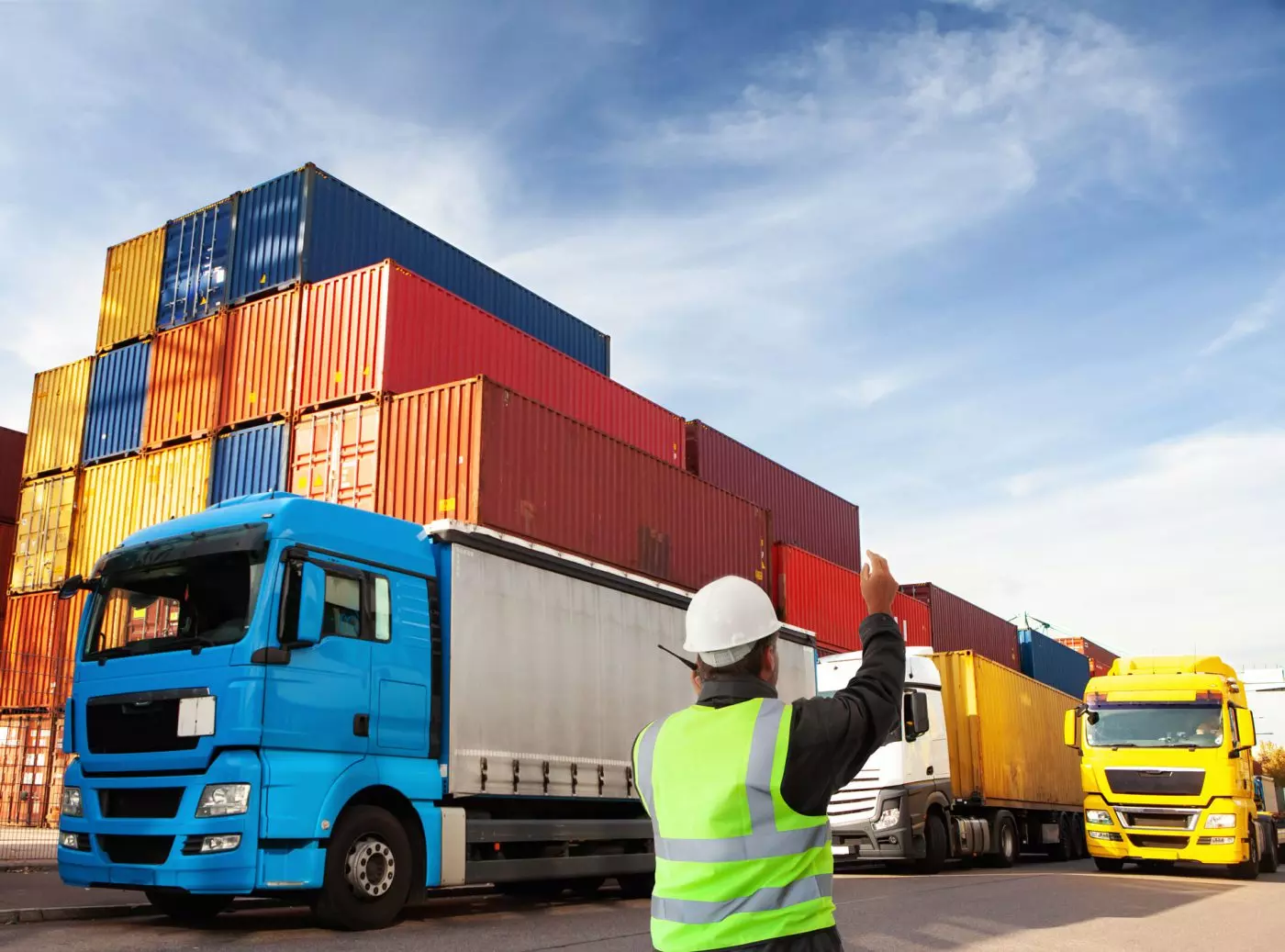
When a factory urgently needs to import components but the purchasing team is still unclear about the costs, shipping goods from China to Vietnam can easily turn into an expensive decision.
In 2026, the General Statistics Office recorded China as Vietnam's largest import market, with imports reaching USD 186.0 billion. Bilateral trade between Vietnam and China also reached a record high of approximately USD 252 billion. Meanwhile, the Drewry World Container Index (WCI) rose to USD 4,166 per 40-foot container in June 2026, meaning businesses cannot afford to choose shipping routes based on intuition alone.
This article helps importers choose a shipping method from China to Vietnam based on three variables: time, cost, and type of goods. The right approach is to compare the total cost of delivery to the warehouse rather than looking only at the initial quoted freight rate.
Shipping Goods from China to Vietnam Based on Delivery Time
Time is the first variable that needs to be established. A sample shipment, replacement parts, or campaign-based merchandise should not follow the same route as long-term inventory. When shipping goods from China to Vietnam, businesses need to distinguish between transit time, cargo consolidation time, customs clearance time, and domestic delivery time.

When to Choose Road, Sea or Air Freight
For shipping goods from China to Vietnam, road freight is suitable for goods that need fast turnover from Guangzhou, Shenzhen, Nanning, or Pingxiang to Hanoi and Ho Chi Minh City. Sea freight is suitable for heavy, bulky goods or full-container shipments. Air freight is suitable for samples, high-value goods, and orders that need to be delivered within a few days.
- Choose road freight when the shipment occupies less than one truckload, requires fast delivery, and has clear commercial documentation.
- Choose sea freight when goods are heavy, not urgent, and require optimized costs per cubic meter.
- Choose air freight when the value of the goods is significantly higher than the shipping fee.
- Avoid choosing excessively cheap consolidation services if the delivery schedule does not specify a clear cargo cut-off date.
- Check customs clearance time before committing to a delivery date for domestic customers.
- Request the domestic Chinese tracking number to monitor the pickup location.
| Method | Indicative transit time | Suitable types of goods | Risk to control |
|---|---|---|---|
| Road | 3-7 days | Components, e-commerce goods, samples | Border congestion, incorrect documents |
| LCL sea freight | 7-15 days | LCL shipments, moderately bulky goods | Slow consolidation, additional warehouse fees |
| FCL sea freight | 5–12 days | Full-container shipments, machinery | Container shortages, vessel schedule changes |
| Air | 1-4 days | Samples, urgent components, high-value goods | High costs, specialized inspections |
For example, Sen Vang Company in Binh Duong imported 2.8 tons of components from Shenzhen. After switching from LCL sea freight to formal road freight, the company reduced transit time from 11 days to 5 days. Costs increased by 18%, but the production line avoided two shifts of downtime.
Another example is Minh Hoa Fruit Company in Tien Giang, which imported refrigerated packaging from Guangxi. Since the shipment was not urgent, the company chose LCL sea freight to Cat Lai Port. It saved 22% compared with road freight because the packaging schedule was still 12 days away from the warehouse dispatch date.
Practical tip: Set the required delivery deadline first, then choose the route. Reversing this order can allow an inexpensive quotation to conceal the risk of late delivery.
Shipping Goods from China to Vietnam Based on Actual Costs
When shipping goods from China to Vietnam, a low price does not necessarily mean a low total cost. When requesting a shipping quote from China to Vietnam, businesses must require quotations based on delivery terms, pickup location, delivery destination, and customs clearance responsibilities. A quotation that excludes domestic fees can distort the purchasing budget.

How to Read Shipping Rate Charts for Transporting Goods from China to Vietnam
When shipping goods from China to Vietnam, the quotation should separate main freight charges, surcharges, warehouse fees, documentation fees, and domestic delivery fees. For formal imports, businesses must also budget for import duties, value-added tax, and specialized inspection costs if the goods are subject to regulatory control. Do not compare quotations based on a single unit-price figure.
- Request quotations based on actual weight, volumetric weight, and packaged volume.
- Check pickup fees at Chinese warehouses, especially those located outside major logistics centers.
- Ask about storage fees if documents arrive late or the customs declaration needs to be amended.
- Confirm whether delivery to the final warehouse in Vietnam includes loading and unloading.
- Compare FOB, CIF, or DDP trading terms against the responsibilities for additional costs.
- Keep a record of the quotation's validity period because freight rates may change weekly.
| Charge | What needs clarification | Risk indicator | Control method |
|---|---|---|---|
| Main freight | Per kg, cbm, or container | Unusually low unit price | Request applicable conditions |
| Domestic China fees | Pickup from the factory or warehouse | Pickup address not specified | Confirm the warehouse postal code |
| Documentation fee | Invoice, bill of lading, declaration | Quoted after goods arrive | Included in the initial quotation |
| Vietnam delivery fee | To the port or warehouse | Forklift not included | Confirm delivery terms |
| Container demurrage fees | Container storage charges (Demurrage/Detention) | Missing documents | Prepare documents before ETA |
Circular 38/2015/TT-BTC regulates customs procedures, inspection, supervision, and tax administration for import and export goods; Circular 39/2018/TT-BTC amends several provisions concerning electronic documents and customs valuation consultations. These regulations provide an important basis for calculating the cost of shipping goods from China to Vietnam under the formal import model.
For example, Lam Son Mechanical Company in Dong Nai received a quotation of USD 38 per cubic meter from Guangzhou. After adding pickup fees, warehouse fees, and delivery to Binh Duong, the actual total cost was 31% higher. The company switched to an all-inclusive quotation, making its import budget more predictable.
Based on HNT LOGISTICS' experience, buyers should request an itemized cost breakdown before making a deposit. This approach makes it easier to compare shipping costs from China to Vietnam on an equivalent basis, especially when consolidating goods from multiple suppliers.
Practical tip: Do not start by asking, “How much per kilogram?” Instead, provide package photos, dimensions, HS codes, and addresses at both ends to receive a usable quotation.
Shipping Goods from China to Vietnam Based on Cargo Type and Risk Level
The type of goods determines the safety requirements, packaging method, transportation route, and documentation required when shipping goods from China to Vietnam. A package of plastic accessories is completely different from industrial chemicals, electrical equipment, or temperature-controlled goods. Therefore, safe shipping from China to Vietnam must begin with cargo classification, not price.

General Cargo, Fragile Goods, Refrigerated Cargo and Goods Subject to Specialised Inspection
When shipping goods from China to Vietnam, ordinary goods can usually be consolidated if their packaging is sufficiently sturdy. Fragile goods require pallets, warning labels, and packaging photos before delivery to the warehouse. Refrigerated goods require temperature monitoring, door-opening time control, and handover records. Goods subject to specialized inspection require HS code verification before ordering.
- Electronic goods require checks on batteries, energy labels, and testing requirements, where applicable.
- Fragile goods should be packed in wooden crates, cushioned with foam, and photographed from all six sides.
- Refrigerated goods require temperature logs, unloading time records, and a refrigerated truck connection plan for onward transportation.
- Used machinery requires checks on equipment age, technical documentation, and import regulations.
- Chemicals must have a safety data sheet and valid hazard labels.
- Branded goods require proof of distribution rights to avoid shipment detention.
| Cargo type | Recommended method | Documents to review | Control point |
|---|---|---|---|
| Electronic components | Road or air freight | Invoice, packing list, HS code | Moisture and shock protection |
| Production machinery | FCL sea freight | Contract, bill of lading, catalog | Lifting and securing |
| Food packaging | LCL sea freight | C/O, material standards | Odor and moisture prevention |
| Refrigerated | Refrigerated truck or reefer container | Quarantine documents, temperature logs | Continuous temperature monitoring |
| Fragile goods | Road freight with package protection | Packaging inspection report | Pallets and warning labels |
For example, Nam Song Doc Seafood Company in Ca Mau imported a freezing machine from Ningbo through Cat Lai Port. By choosing a full container load (FCL) instead of less than container load (LCL), the company reduced the risk of impact damage and saved 14 hours of warehouse inspection and counting time.
Another example is An Phu Ceramics Company in Da Nang, which imported 420 packages of ceramic cups from Foshan. The supplier initially used only shrink wrap. After wooden crates and pallets were added, the breakage rate fell from 3.6% to just 0.4%.
HNT LOGISTICS recommends that businesses importing refrigerated goods check the dimensional specifications of refrigerated containers before confirming the number of packages. Incorrect pallet height can obstruct cold airflow and cause goods in the middle layers to spoil.
Practical tip: If goods involve significant legal or damage risks, choose a route based on reliability rather than the lowest price.
Shipping Goods from China to Vietnam and Customs Procedures to Prepare For
When shipping goods from China to Vietnam, customs clearance is where many businesses lose the most time. Decree 08/2015/ND-CP and Decree 59/2018/ND-CP provide the main regulatory framework for customs procedures, inspection, supervision, and customs control. Therefore, documentation must be prepared ahead of the shipment rather than following the goods.

Essential Documents Required Before Goods Leave the Warehouse in China
The basic documentation for shipping goods from China to Vietnam includes a contract, commercial invoice, packing list, bill of lading (Bill of Lading), certificate of origin (Certificate of Origin) if preferential treatment applies, and technical documents. Goods subject to specialized inspection may also require permits, declarations, quarantine certificates, or test results depending on the product category.
- Check the HS code before ordering to estimate taxes and specialized regulatory requirements.
- Cross-check product descriptions on the invoice against the packing list and technical catalog.
- Check the C/O if you intend to claim preferential tax rates under an applicable trade agreement.
- Prepare the bill of lading with the correct consignee, address, and agreed delivery terms.
- Keep payment documents for customs valuation consultations if requested by customs authorities.
- Check product labels before importing goods into the warehouse to avoid relabeling after customs clearance.
| Documentation | Purpose | Common errors | Consequences |
|---|---|---|---|
| Commercial invoice | Value declaration | Incorrect product name | Customs valuation consultation |
| Packing | Package reconciliation | Missing dimensions | Delayed customs inspection |
| Bill of lading | Receive goods | Incorrect consignee | Document amendments incur fees |
| Care of | Tax incentives | Incorrect origin criteria | Loss of incentives |
| Technical catalog | HS code classification | Ambiguous description | Incorrect HS code classification |
For example, Hoa Phat Textile and Garment Company in Nam Dinh imported motors from Guangdong. Because the catalog lacked power specifications, customs requested additional documents. After standardizing the customs declaration dossier for import procedures, clearance time decreased from 30 hours to 12 hours.
Another example is Mekong Agricultural Equipment Company in Can Tho, which imported cutting blades for agricultural machinery. The supplier incorrectly stated the material on the invoice. By correcting it before ETD, the company avoided additional inspections and maintained its delivery schedule to dealers in the Mekong Delta.
Practical tip: Check your documents before the goods leave the warehouse. Making corrections in China is always cheaper than amending documents after the shipment has reached a Vietnamese border crossing or port.
How to Choose a Shipping Service Provider for Transporting Goods from China to Vietnam
A good provider for shipping goods from China to Vietnam does more than provide quick quotations. It must identify route risks, cargo conditions, missing documents, and potential additional charges. When shipping goods from China to Vietnam, coordination capabilities at both ends are more important than promises of the “best price”.

Criteria for Evaluating a Provider Before Placing Your First Shipment
Businesses should evaluate shipping services from China to Vietnam using operational data. Ask about truck schedules, vessel schedules, customs inspection procedures, cargo insurance, and processes for handling missing packages. According to experts at HNT LOGISTICS, a reliable freight forwarder must be willing to disclose risks in advance rather than simply accepting every shipment regardless of circumstances.
- Check experience on China–Vietnam routes for the specific type of goods your business handles.
- Request compensation procedures for lost packages, dents, or serious delivery delays.
- Demand a quotation that clearly specifies shipping costs from China to Vietnam and all surcharges.
- Prioritize providers capable of handling formal customs declarations and advising on import and export documentation.
- Evaluate the ability to consolidate goods from multiple suppliers in Guangzhou or Shenzhen.
- Check shipment status reports at the pickup, warehouse dispatch, customs clearance, and warehouse delivery milestones.
| Criteria | Question to ask | Positive Signs | Reasons to reject a provider |
|---|---|---|---|
| Price transparency | What charges are included? | Clear cost breakdown | Only one price is quoted |
| Documentation capabilities | Who checks the HS code? | Has an in-house customs declaration team | Leaves everything to the customer |
| Shipment tracking | At which milestones are updates provided? | Photos and status updates available | Only provides updates when asked |
| Incident handling | How are delays handled? | Contingency plans available | No clear commitment to responsibility |
| Specialised Goods | Do you handle refrigerated goods? | Specify storage conditions | Accepts all types of goods |
For example, Bac A Furniture Company in Hanoi imported 36 cubic meters of accessories from Guangzhou. After switching to a provider that photographed every package upon warehouse arrival, the company discovered two missing packages before the truck left the yard. The issue was resolved within 24 hours.
Another example is Sai Gon Green Equipment Company in Ho Chi Minh City, which imported water purifiers from Xiamen. Its previous shipping provider did not review supplementary labeling requirements. After switching to a process that included documentation consulting, the company avoided having the goods returned for relabeling.
Practical tip: Choose a shipping partner from China to Vietnam by asking difficult questions. If they cannot explain the fees, documents, and risks, a low price is not enough to guarantee safety.
Conclusion: Choosing a Shipping Solution for Transporting Goods from China to Vietnam Based on Data
Shipping goods from China to Vietnam should not be a race to find the lowest price. The right shipping decision must balance delivery time, actual total costs, cargo type, and customs clearance capabilities. When input data is clear, businesses can control profit margins and reduce the risk of stock shortages.

- Set the required delivery deadline before choosing road, sea, or air freight when shipping goods from China to Vietnam.
- Compare the total cost of shipping goods from China to Vietnam rather than looking only at the main freight charge.
- Classify goods before shipping them from China to Vietnam to avoid choosing the wrong transportation method.
- Prepare shipping documents for goods from China to Vietnam before ETD to reduce warehouse storage fees and document amendment costs.
- Review HS codes, C/O documents, and specialized inspection requirements from the moment an order is placed.
- Choose a shipping provider from China to Vietnam that can explain risks rather than simply providing quick quotations.
- Use the shipping rate table from China to Vietnam as a cost-control tool, not an absolute guarantee.
Given the fluctuating freight rates for shipping goods from China to Vietnam and the continued scale of imports from China, businesses need a partner who understands the routes, the goods, and the documentation. HNT LOGISTICS is a reputable freight forwarding and logistics partner for Vietnamese exporters nationwide, while also helping businesses optimize their China import arrangements through transparent, safe, and scalable processes. As a professional transportation provider, HNT LOGISTICS is committed to delivering comprehensive supply chain solutions, helping Vietnamese businesses confidently conquer global markets. Contact us today at 8A Hoang Minh Giam, Ho Chi Minh City or via the marketing email at hntshipping.com for quotation support!