


When a fruit reefer container misses its scheduled sailing at Cat Lai Port, choosing the wrong transport mode can cost you the entire order.
In 2026, Vietnam's Ministry of Industry and Trade estimates that the country's total import and export turnover will reach approximately USD 920 billion, with exports accounting for around USD 470 billion. By mid-July 2026, seafood and fruit and vegetable exports had reached USD 10.47 billion. Meanwhile, the Drewry Index recorded USD 4,547 per 40-foot container on July 16, 2026. These figures show that choosing a transportation method is no longer simply about securing the lowest freight rate.
This article helps cargo owners compare costs, speed, coverage, and practical applications. The focus is on choosing the right transportation method for agricultural products, seafood, fresh fruit, and exported industrial goods.
What Are Transport Modes and Why You Shouldn't Choose Based on the Lowest Price Alone
Transportation methods refer to how goods are organized and moved by road, sea, air, rail, or a combination of different modes. Freight rates are only one part of the equation. The wrong decision can increase container storage charges, cause temperature-related damage, disrupt delivery schedules, and lead to commercial disputes.
Distinguishing Between Modes of Transport and Means of Transport
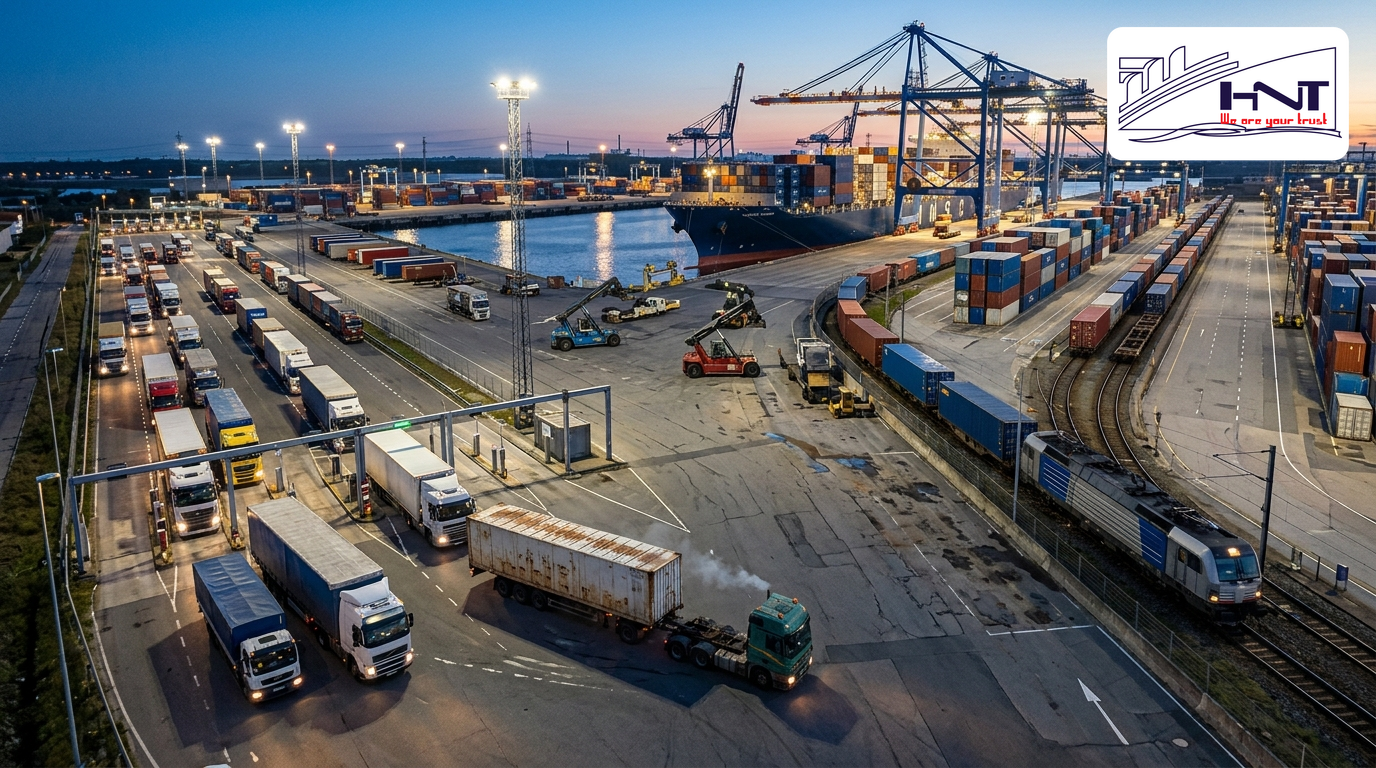
Many businesses ask what transportation vehicles are, when what they actually need is to choose a shipping method. A vehicle is a truck, ship, aircraft, or railcar. A transportation method is the organizational model for the entire journey, including cargo collection, departure port, customs clearance, main transportation, and final delivery.
- Road transport is suitable for short distances, quick cargo collection, or flexible delivery to the buyer's warehouse.
- Sea freight is suitable for heavy cargo, goods of medium value, and shipments without urgent delivery deadlines.
- Air freight is suitable for high-value goods, products with short shelf lives, or shipments requiring a rapid market response.
- Rail transport is suitable for fixed routes, consistent cargo volumes, and requirements for stable transportation costs.
- Multimodal transportation is suitable for businesses seeking to balance freight costs, transit time, and risks.
| Criteria | Vehicle | Method | Risks of choosing incorrectly |
|---|---|---|---|
| Nature | Cargo-carrying asset | Route organization | Choosing the wrong capacity |
| Example | Tractor head | Combination of road and sea transport | Insufficient connection time between shipments |
| Decision | Choose the vehicle type | Choose the entire supply chain | Higher additional costs |
| Person in charge | Operating company | Cargo owners and freight forwarders | Difficult claims handling |
Four Decision-Making Criteria
Businesses should evaluate each transportation method using four criteria: total cost, actual transit time, service coverage, and suitability for the goods. HNT LOGISTICS recommends comparing total costs to the final delivery point rather than relying on the quoted price for a single leg.
Practical takeaway: choose a transportation method based on overall commercial risk, not just the initial quoted price.
Comparing Transport Modes by Cost and Freight Rate Structure
Transportation costs have two layers. The first includes base freight, fuel surcharges, documentation fees, and local charges. The second is more dangerous and includes container demurrage, storage charges, schedule change fees, and cargo quality losses.
Direct Costs
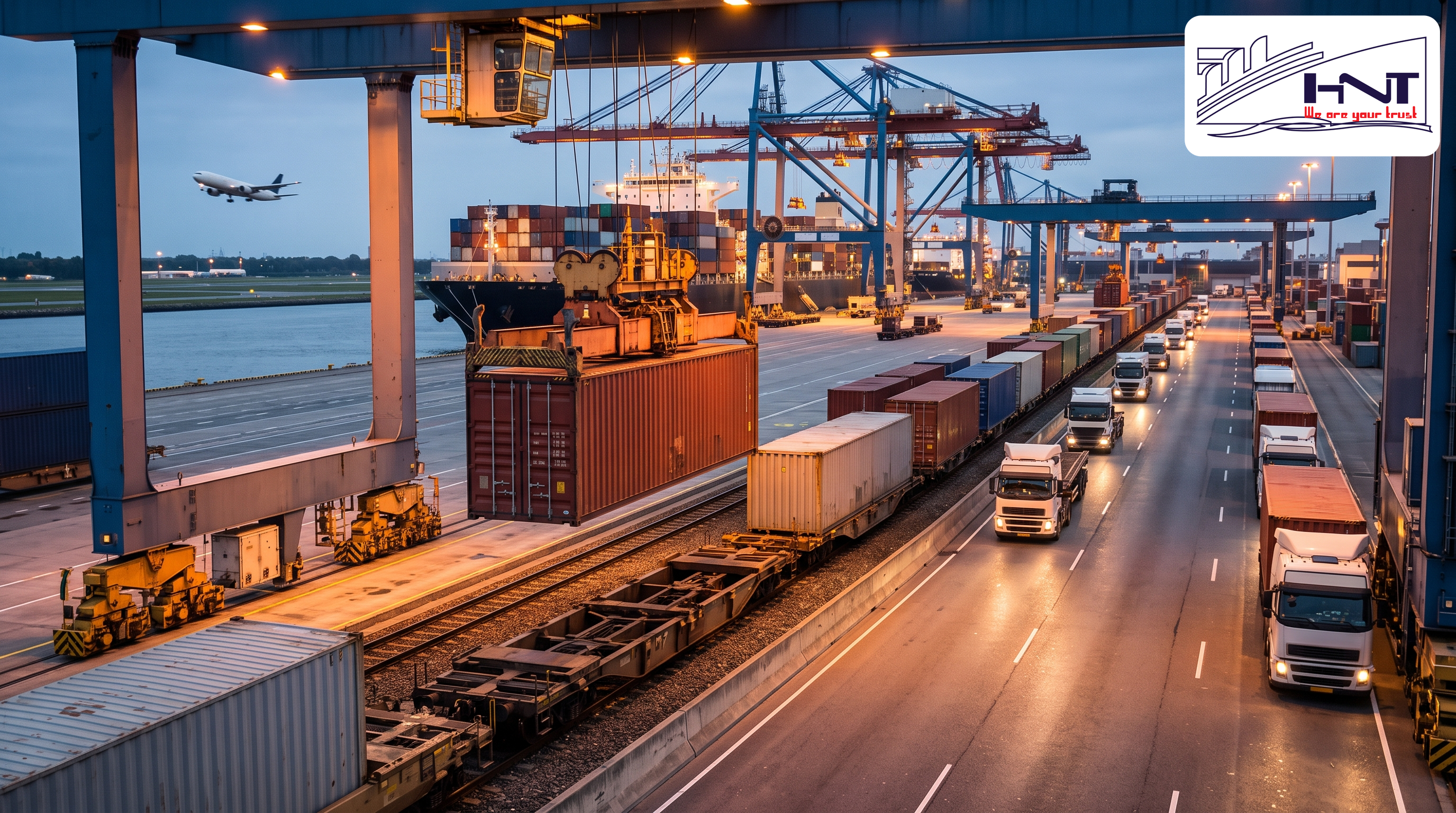
Sea freight is generally the cheapest option per ton of cargo. Air freight is more expensive but reduces inventory capital requirements. Road transport is flexible but costs can escalate due to border congestion. Rail transport is more stable than long-distance trucking but depends on railway station locations and connection capacity.
- Calculate freight charges using the appropriate billing unit, such as containers, tons, cubic meters, or chargeable kilograms.
- Check peak-season surcharges before confirming prices with buyers.
- Separate domestic transportation costs in Vietnam from main freight charges to accurately assess profit margins.
- Compare refrigerated storage and handling costs, not just container trucking fees.
- Allow for potential container demurrage if documentation or quarantine procedures may be delayed.
| Method | Relative cost | Suitable cargo | Common sources of additional costs |
|---|---|---|---|
| Sea | Low | Heavy cargo and containerized goods | Peak season surcharges |
| Air | Incabable | Urgent, high-value cargo | Airport warehouse charges |
| Road | Standardized, inspected | Domestic delivery and border crossings | Waiting time at terminals and fuel costs |
| Rail | Low average | Regular long-distance routes | Transshipment costs |
| Multimodal transport | Flexible | Multi-point supply chains | Freight forwarding responsibilities |
Hidden Costs
For example, Mekong Green Company in Tien Giang exports mangoes to Shanghai. By switching from air freight to refrigerated sea containers, the company reduced its unit transportation cost by 62%. However, it had to arrange quarantine inspections in advance and pack the cargo three days earlier to avoid missing the vessel.
In another example, Binh Duong Precision Company exports components to Long Beach. Because the goods are high-value, the company uses air freight for urgent replacement shipments. Freight costs increase significantly, but the company maintains its delivery commitment and avoids an USD 18,000 contractual penalty.
Internal linking suggestion: businesses can refer to the sea freight route to the United States when comparing full container load shipping with supplementary air freight options.
Practical takeaway: low freight rates only matter when transit time, documentation, and cargo quality remain under control.
Transport Modes by Speed and Schedule Reliability
Speed is not simply the number of days a vessel spends at sea. Businesses must calculate cargo collection, packing, cut-off waiting time, customs clearance, quarantine inspections, and final delivery. Therefore, the fastest transportation method on paper may not be the fastest in actual operations.
When Speed Matters More Than the Unit Rate
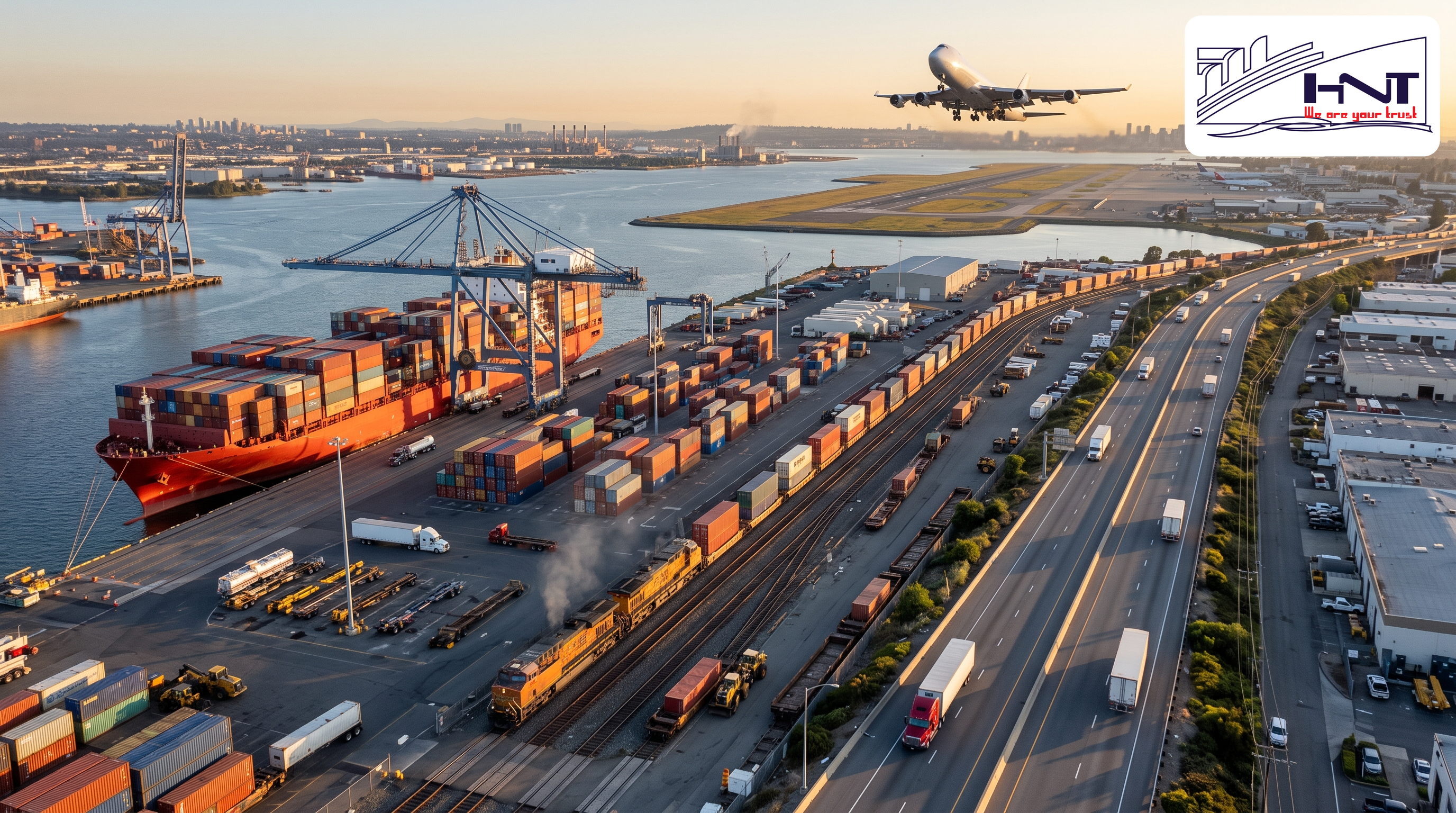
Air freight is suitable when goods have short shelf lives or lose value quickly. Premium fruit, exhibition samples, and urgent components often require fast transportation. However, businesses must check airport cold storage capacity and the validity period of quarantine certificates.
- Prioritize air freight when profit margins are sufficient to absorb higher transportation costs.
- Choose express sea freight when vessel schedules are reliable and the goods can tolerate a longer transit time.
- Use road transport for cargo collection that requires same-day flexibility.
- Use rail transport when the route has regular schedules and urgent door-to-door delivery is not required.
- Combine multiple transportation methods when some cargo needs to be sold first and supplementary shipments can follow later.
| Method | Reference transit time | Reliability | Practical applications |
|---|---|---|---|
| Air freight | 1 to 5 days | Quite high | Urgent cargo and samples |
| Road | 1 to 7 days | Standardized, inspected | Domestic transport and border crossings |
| Sea | 5 to 35 days | Fluctuation | Export containers |
| Rail | 3 to 18 days | Relatively stable | Land routes |
When Schedule Reliability Matters More Than Transit Time
Drewry recorded 39 blank sailings on East-West routes over the five-week period from July 20 to August 23, 2026. Therefore, schedule reliability is a major variable. For refrigerated cargo, a delay of just one sailing can disrupt the entire distribution plan.
For example, Nam Ca Mau Seafood Company exports frozen shrimp to Japan. Due to changes in transshipment vessel schedules, the company shifted part of its production to a route that takes two days longer but has fewer canceled sailings. The on-time weekly delivery rate increased from 82% to 96%.
In another example, a flower exporter in Da Lat transports flowers by road to Ho Chi Minh City and then ships them by air to Singapore. The shipment is delivered within 36 hours. Although freight costs are high, the spoilage rate falls to below 1.5%.
Practical takeaway: for goods with weekly delivery commitments, prioritize reliability before speed.
Transport Modes by Coverage and Trade Routes
Different transportation methods create different values depending on their coverage. Domestic transportation requires flexibility in pickup locations. Export shipments require port capacity, vessel schedules, airline services, documentation, and international connections. No single option is ideal for every route.
Domestic Routes
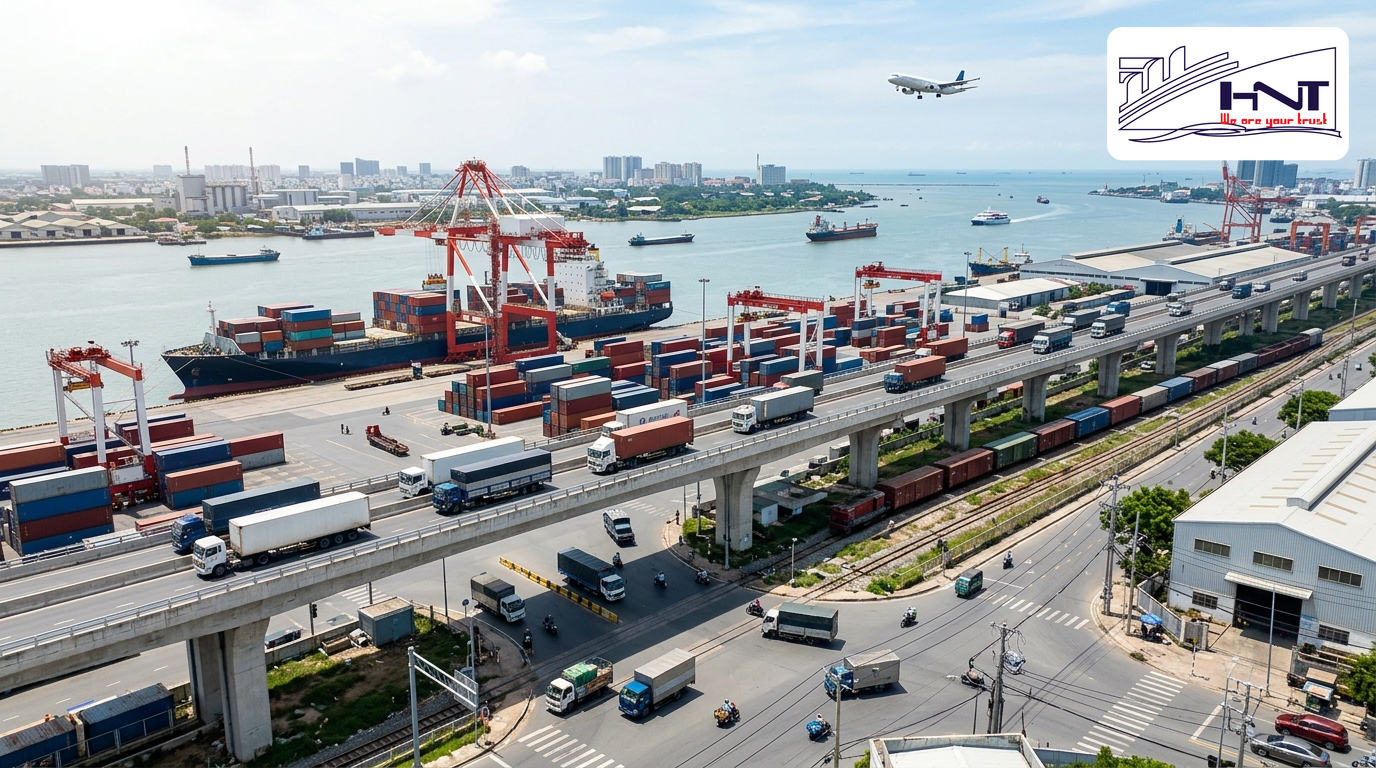
Road transport has an advantage when collecting goods from Tien Giang, Dong Nai, Binh Duong, and Can Tho for delivery to Cat Lai Port or Cai Mep Port. However, road transport is easily affected by truck restrictions, port congestion, and shortages of refrigerated trucks during peak seasons.
- Choose dedicated refrigerated trucks for goods that require strict temperature control from the warehouse to the port.
- Use standard trucks for dry goods with sturdy packaging and flexible delivery schedules.
- Combine barge transportation when cargo is near river routes and reducing pressure on road transport is necessary.
- Schedule port entry early if the shipment requires quarantine inspections or scanning.
- Arrange backup trucks for the rainy season in the Mekong Delta.
| Online | Preferred transportation method | Main risks | Control method |
|---|---|---|---|
| Tien Giang – Cat Lai Port | Refrigerated road transport | Port gate congestion | Schedule early gate-in |
| Binh Duong – Cai Mep Port | Road | Truck Restriction Hours | Travel outside peak hours |
| Can Tho – Ho Chi Minh City | Combined barge and truck transport | Transshipment | Sealing and monitoring |
| Da Nang – Hanoi | Rail | Final connection | Arrange the final delivery vehicle |
International Routes
For the United States and EU markets, sea freight is generally the main transportation option. For China and Southeast Asia, road transport, short-sea shipping, and air freight all play important roles. Based on HNT LOGISTICS' experience, short routes are not always cheaper if border crossings are congested or documentation is incomplete.
Internal linking suggestion: fruit exporters should standardize their export customs declaration service documentation before comparing border-crossing and sea freight routes.
For example, An Phu Fruit Company in Long An exports dragon fruit to Guangxi. When border congestion occurs, the company shifts 30% of its volume to short-sea shipping. Costs increase slightly, but the risk of truck waiting time decreases and supermarket delivery schedules are maintained.
In another example, Da Nang Metal Company exports mechanical accessories to Germany. Due to fluctuations in Northern European vessel schedules, the company uses Cai Mep Port instead of a more distant transshipment option. Total transit time decreases by four days, and warehouse storage costs fall by 9%.
Practical takeaway: route coverage must be evaluated together with customs clearance capacity and the reliability of transshipment points.
Transportation methods for agricultural products, seafood, and fresh fruit
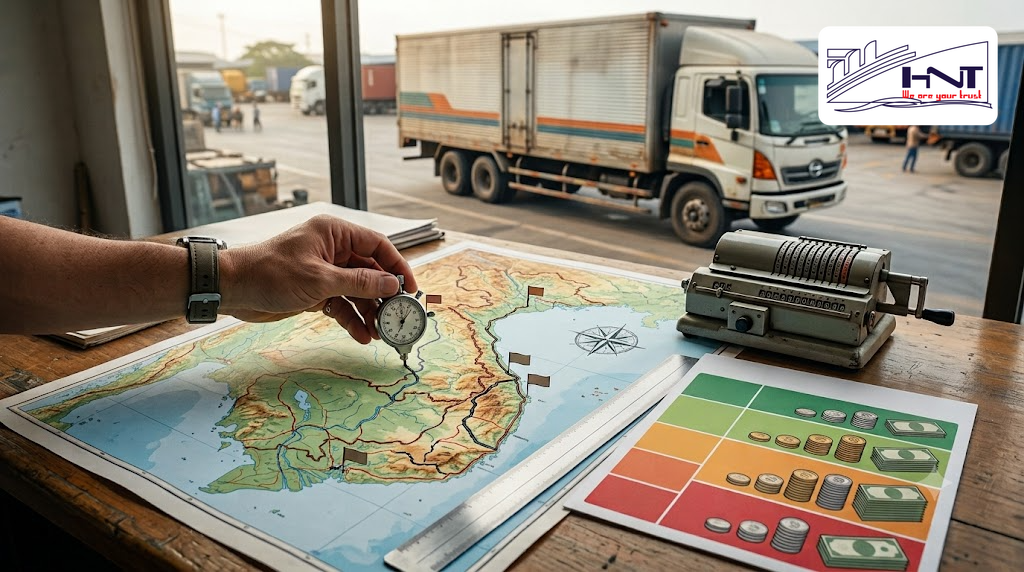
Agricultural products, seafood, and fresh fruit do not simply need transportation. They require protection against temperature and humidity fluctuations, adequate ventilation, valid certificates, and compliance with quarantine requirements. Therefore, the transportation equipment must be selected after determining the biological characteristics of the goods.
Refrigerated
The EU requires many imported plants and plant products to have phytosanitary certificates under EU Regulation 2019/2072. Vietnam has also issued Decree No. 38/2026/ND-CP on growing area codes and packing facilities. These are two requirements that must not be overlooked.
- Book refrigerated containers with a suitable temperature range instead of applying the same temperature setting to every type of fruit.
- Check ventilation requirements for highly respiring fruit such as dragon fruit, mangoes, and bananas.
- Record the temperature before loading to avoid disputes over liability after delivery.
- Coordinate phytosanitary certificates with vessel schedules, flight schedules, and cargo arrival dates.
- Do not load odor-producing goods together with odor-sensitive products in the same container.
| Cargo type | Suitable transportation method | Key control | Risk to avoid |
|---|---|---|---|
| Frozen shrimp | Refrigerated sea freight | Deep-frozen temperatures | Cold chain breakage |
| Fresh mangoes | Refrigerated sea freight or air freight | Ventilation | Premature ripening |
| Durian | Road transport or short-sea shipping | Planting area code | Missing documentation |
| Fresh Flowers | Air freight | Delivery time | Wilting and loss of value |
Dry goods and industrial products
Dry goods are easier to transport, but they are not free from risks. Coffee, cashew nuts, components, and machinery require moisture control, appropriate packaging, pallet fumigation, and a sea transport document (Bill of Lading). Errors in the bill of lading can delay payment.
Internal linking suggestion: businesses should check refrigerated container dimensions and specifications when switching from dry cargo to temperature-controlled goods.
For example, Cao Nguyen Bean Company in Dak Lak exports coffee to Hamburg. By using desiccant bags and clean, dry containers, the company reduced mold-related complaints to zero across three consecutive shipments. Freight costs remained unchanged, but delivery quality improved significantly.
In another example, Dong Nai Components Company exports pumps to Australia. Because the wooden packaging lacked the required treatment mark, the shipment was held for inspection. After standardizing pallets and documentation, customs clearance time decreased by 22 hours.
Practical takeaway: for sensitive cargo, the right transportation method must be accompanied by appropriate packaging and accurate documentation.
How to choose the right transportation method for each requirement
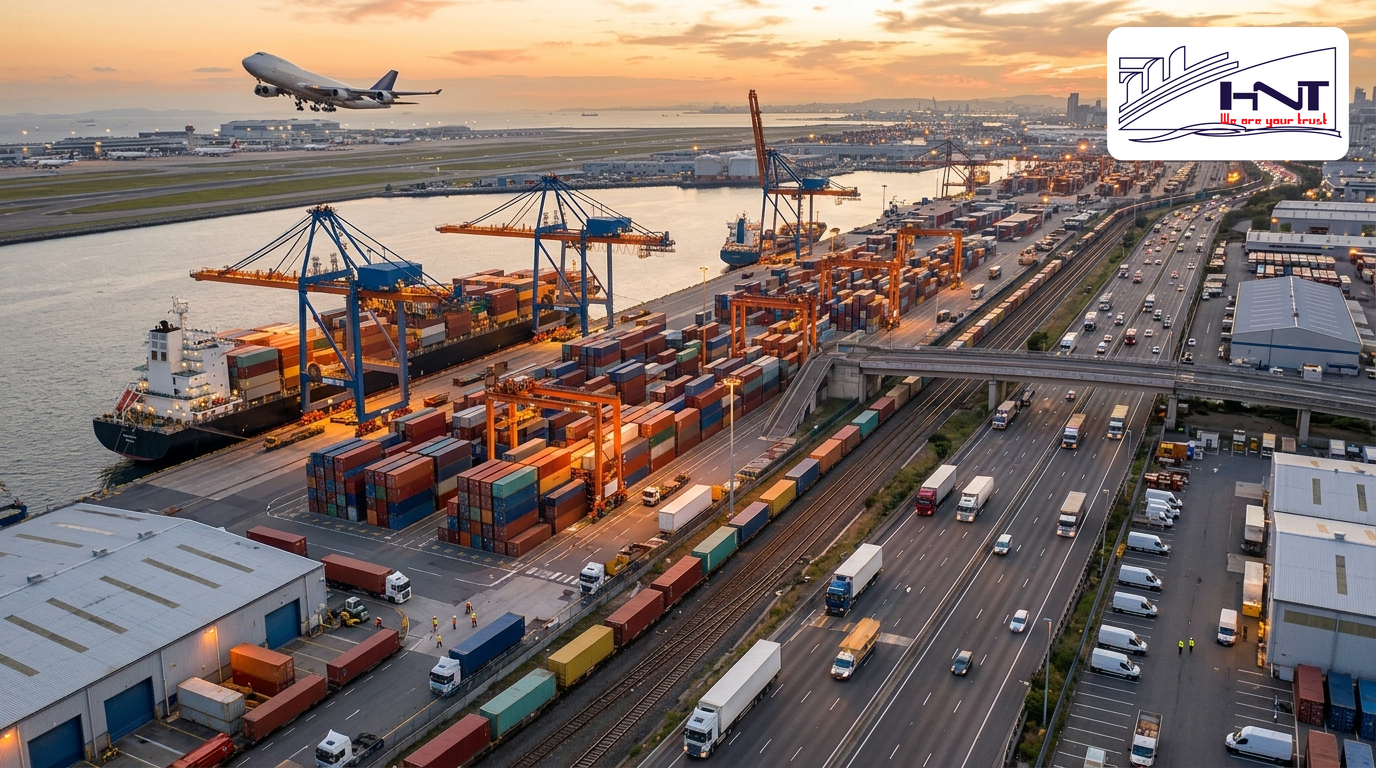
You should not ask which transportation method is the best. The right question is which transportation method suits this particular order, route, delivery deadline, and risk level. A decision matrix helps businesses avoid making decisions based on subjective impressions.
Decision matrix
Assign a score from 1 to 5 for each criterion. The weighting should vary by industry. Refrigerated cargo prioritizes speed and temperature control. Industrial goods prioritize freight costs and schedules. E-commerce shipments prioritize fast delivery and shipment status tracking.
- Determine the Incoterms first, because FOB, CIF, and DDP involve different transportation responsibilities.
- Calculate the total cost to the delivery point, including base freight, surcharges, and additional charges.
- Check the shelf life, temperature, humidity, and tolerance for delays of the goods.
- Evaluate routes using actual schedules, not just transportation companies' advertising schedules.
- Review documents including the commercial invoice, packing list, C/O, quarantine certificates, and HS Code.
| Demand | Prioritize | Transportation method to consider | When not to choose it |
|---|---|---|---|
| Reduce freight costs | Cost | Sea | Extremely urgent cargo |
| Fast delivery | Speed | Air freight | Narrow profit margins |
| Stable | Schedule | Stable rail or sea transport | Routes with insufficient service frequency |
| Refrigerated | Quality | Refrigerated containers or air freight | No temperature monitoring available |
| Domestic delivery | Flexible | Road | Long-distance routes with excessive congestion |
Checklist before booking
According to experts at HNT LOGISTICS, businesses should finalize three things before booking. First, the delivery terms. Second, the destination border crossing or port. Third, the maximum delay the buyer is willing to accept. If any of these three points is missing, freight quotations are highly likely to be inaccurate.
Internal linking suggestion: shipments involving complex delivery terms should use import-export documentation consulting before confirming vessel schedules.
For example, Saigon Fresh Hub Company exports pomelos to Dubai. By splitting 20% of its volume into air freight and 80% into refrigerated sea freight, the company can meet its trial sales program while maintaining an average cost that is 31% lower than shipping everything by air.
In another example, Hai Phong Tools Company exports mechanical tools to Long Beach. After switching from less-than-container-load shipping to full container load shipments on a monthly schedule, the cost per cubic meter decreased by 18%, and the goods were less likely to be split into separate shipments.
Practical takeaway: the optimal solution often involves combining multiple transportation methods rather than rigidly choosing just one.
Conclusion: choose transportation methods based on data, not intuition
Choosing the right transportation method helps businesses protect profit margins, maintain delivery commitments, and reduce legal risks. Amid fluctuating sea freight rates, growing demand for refrigerated cargo, and stricter traceability requirements in import markets, transportation decisions must be based on route data, documentation, and cargo characteristics.
- Do not choose the lowest freight rate if the schedule increases the risk of late delivery.
- Sea freight is suitable for heavy cargo, but businesses must prepare for blank sailings and surcharges.
- Air freight is suitable for urgent cargo, but it is only cost-effective when profit margins are sufficiently high.
- Road transport is ideal for cargo collection, but truck restrictions and border crossings must be carefully managed.
- For refrigerated cargo, choose the container, temperature settings, and documentation before selecting the schedule.
- Multimodal transportation helps balance freight costs, speed, and service coverage.
- A scoring matrix helps sales, export, and operations teams make consistent decisions.
To make better decisions, start with the actual order. Identify the goods, destination, required delivery date, acceptable delay, and the party responsible under the Incoterms. Only then should you compare transportation methods. HNT LOGISTICS can work alongside you as a trusted freight forwarding and logistics partner for Vietnamese exporters nationwide. As a professional transportation service provider, HNT LOGISTICS is committed to delivering comprehensive supply chain solutions, helping Vietnamese businesses confidently conquer global markets. Contact us today at 8A Hoang Minh Giam, Ho Chi Minh City or via the marketing email at hntshipping.com for quotation support!