

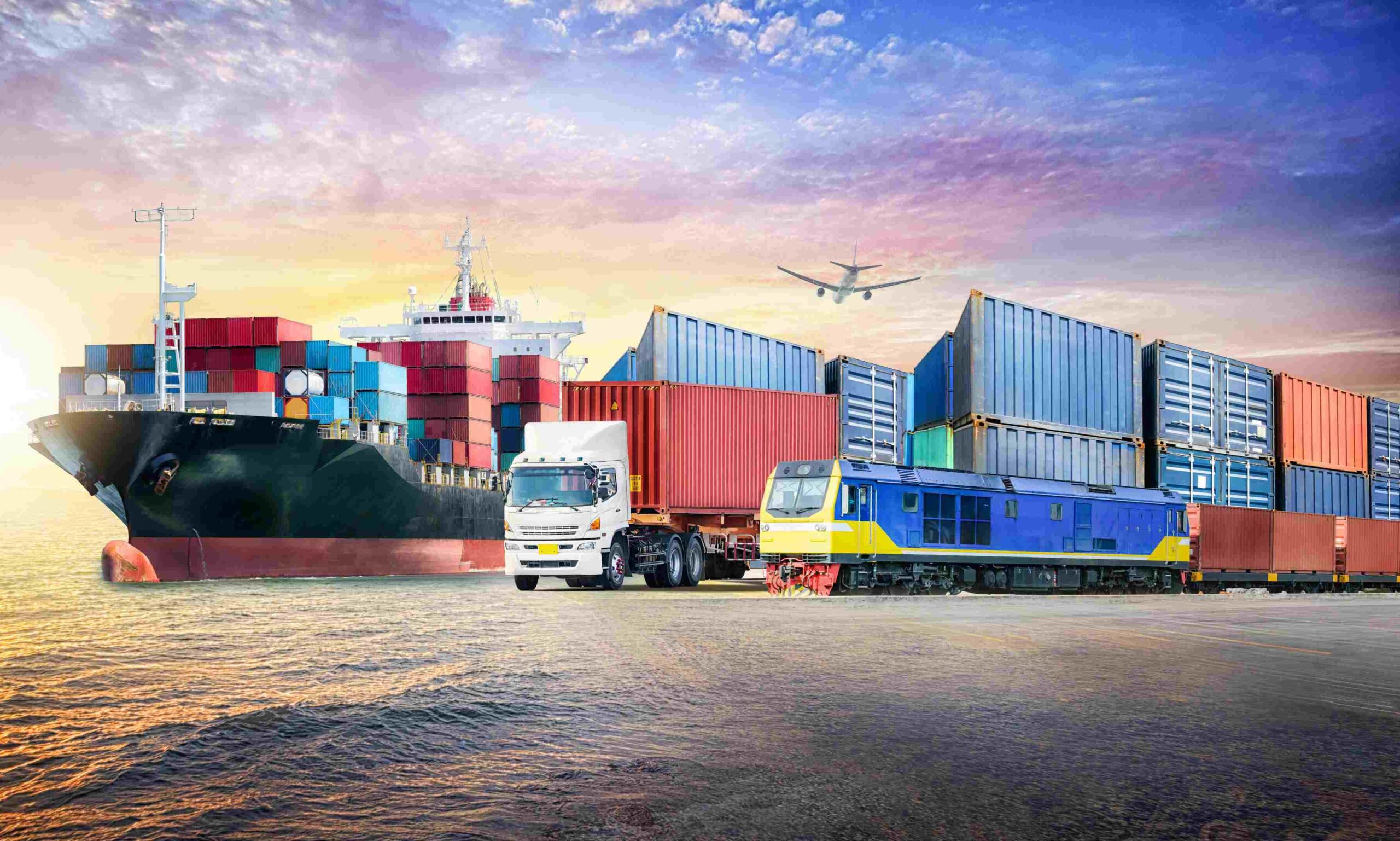
Vietnam logistics is entering a new cycle as Vietnamese cargo owners must finalize vessel schedules, secure refrigerated containers, and avoid documentation bottlenecks within the same week.
In 2026, Vietnam's total import-export turnover was recorded by the Customs Department at approximately USD 920 billion. VASEP reported that seafood exports in 2026 reached around USD 11.3 billion. The Ministry of Agriculture and Environment estimated fruit and vegetable exports at USD 3.65 billion in the first six months of 2026. .
The article helps business owners understand the market, choose routes, control costs, and reduce customs clearance risks. This perspective is not generic praise. The right question is: is Vietnam logistics creating an advantage or eroding the business's profit margin?
Why is Vietnam Logistics changing?
Vietnam logistics perspective: businesses need to measure costs, time, and risks on the same dashboard.
Vietnam logistics is changing because Vietnam's trade is growing faster than supply chain coordination capacity. Ports, cold storage, domestic transportation, documentation, and customs data cannot be separated. When one link is weak, the entire shipment bears the cost of missed sailings, storage fees, or quality loss.
What is the role of logistics in the export strategy?
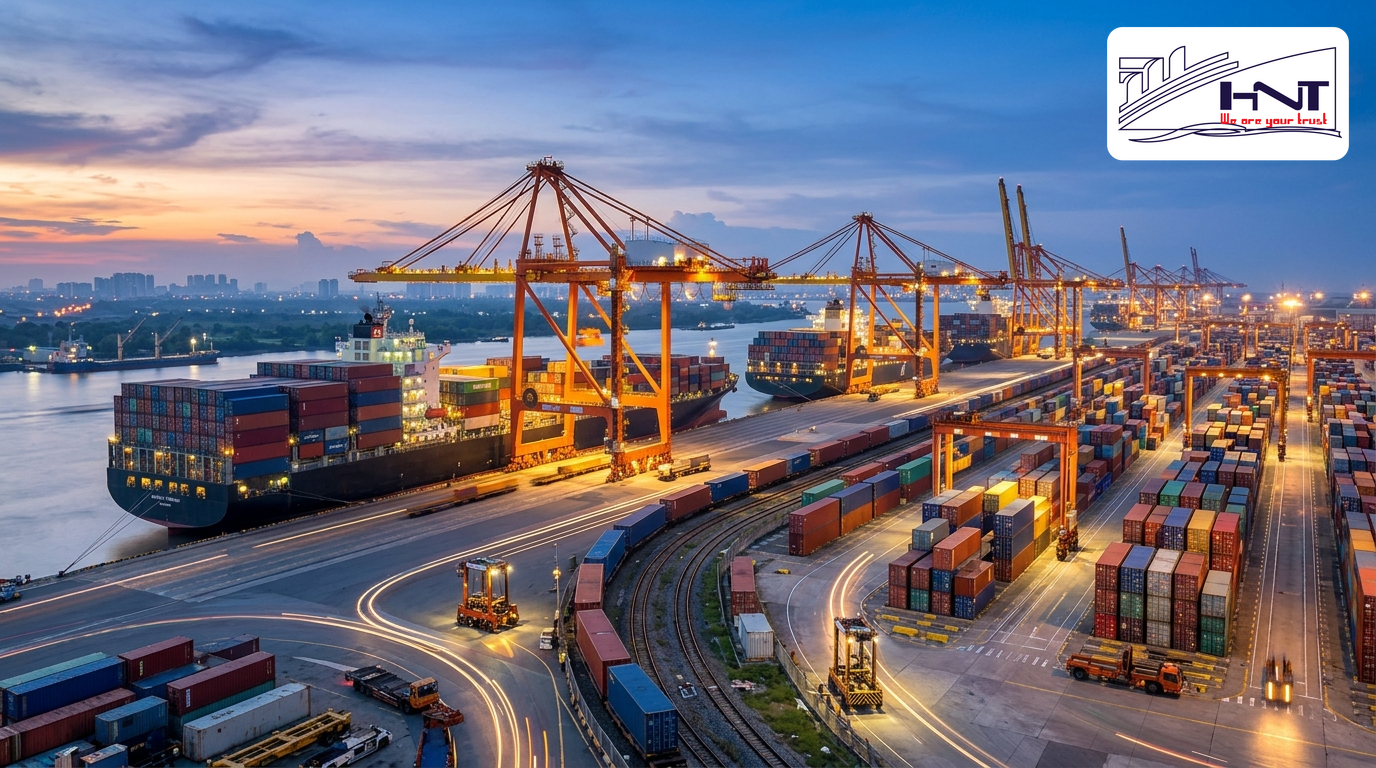
What is logistics when viewed from an export sales department? It is the system that delivers goods with the right quality, at the right time, and in compliance with trade obligations. It includes transportation, warehousing, customs clearance, insurance, documentation, and risk management.
- Businesses should view logistics as a competitive capability, not just the final cost on a quotation.
- Agricultural products require loading schedules aligned with the cargo cutoff date, fumigation date, and quarantine inspection date.
- Seafood products require maintaining a stable temperature from the processing warehouse to the final destination port.
- Industrial goods require vessel schedule control to avoid contract delivery penalties.
- Export documents must be completed before the container enters the port, with no last-minute corrections.
- Order data should be connected with transportation data to forecast route-based costs.
| Component | Practical role | Risk if weak | Metric to measure |
|---|---|---|---|
| Inland transport | Deliver cargo to the port within the designated window | Missed cargo cutoff | On-time rate |
| Cold storage | Maintain quality before export | Temperature loss | Temperature deviation hours |
| Customs clearance | Complete legal documentation | Prolonged inspection | Customs clearance time |
| Book vessel space | Maintain schedules and freight rates | Missing ship | Booking retention rate |
| Documentation | Match contracts and payments | Bank rejection | Number of documentation errors |
What is logistics transportation from the cargo owner's perspective?
What is logistics transportation in actual operations? It is not just hiring trucks or chartering ships. It is designing the flow of goods from the factory to the buyer, where schedules, temperature, responsibilities, and documents must move together.
In the context of Vietnam logistics, for example, a mango exporter in Tien Giang uses a 40-foot refrigerated container from Cat Lai Port to Shanghai. By moving the loading schedule 12 hours earlier, the business reduced warehouse door openings twice and maintained more stable temperatures.
In the context of Vietnam logistics, another example is a parts factory in Binh Duong shipping goods to Long Beach via Cat Lai Port. By separating urgent cargo into less-than-container-load (LCL) shipments, they avoided a 5-day delivery delay but accepted a higher cost per cubic meter.
Key takeaway: do not ask about freight rates before asking about the route, schedule, delivery terms, and risk points of each shipment.
Vietnam Logistics and the 2026-2026 market overview
Vietnam logistics perspective: Export growth only has value when infrastructure and data keep pace with sales growth.
Vietnam logistics in 2026-2026 faces dual pressure. On one side, exports are increasing, especially seafood, fruits and vegetables, and processed goods. On the other side are volatile ocean freight rates, transshipment congestion, and increasingly stringent compliance requirements.
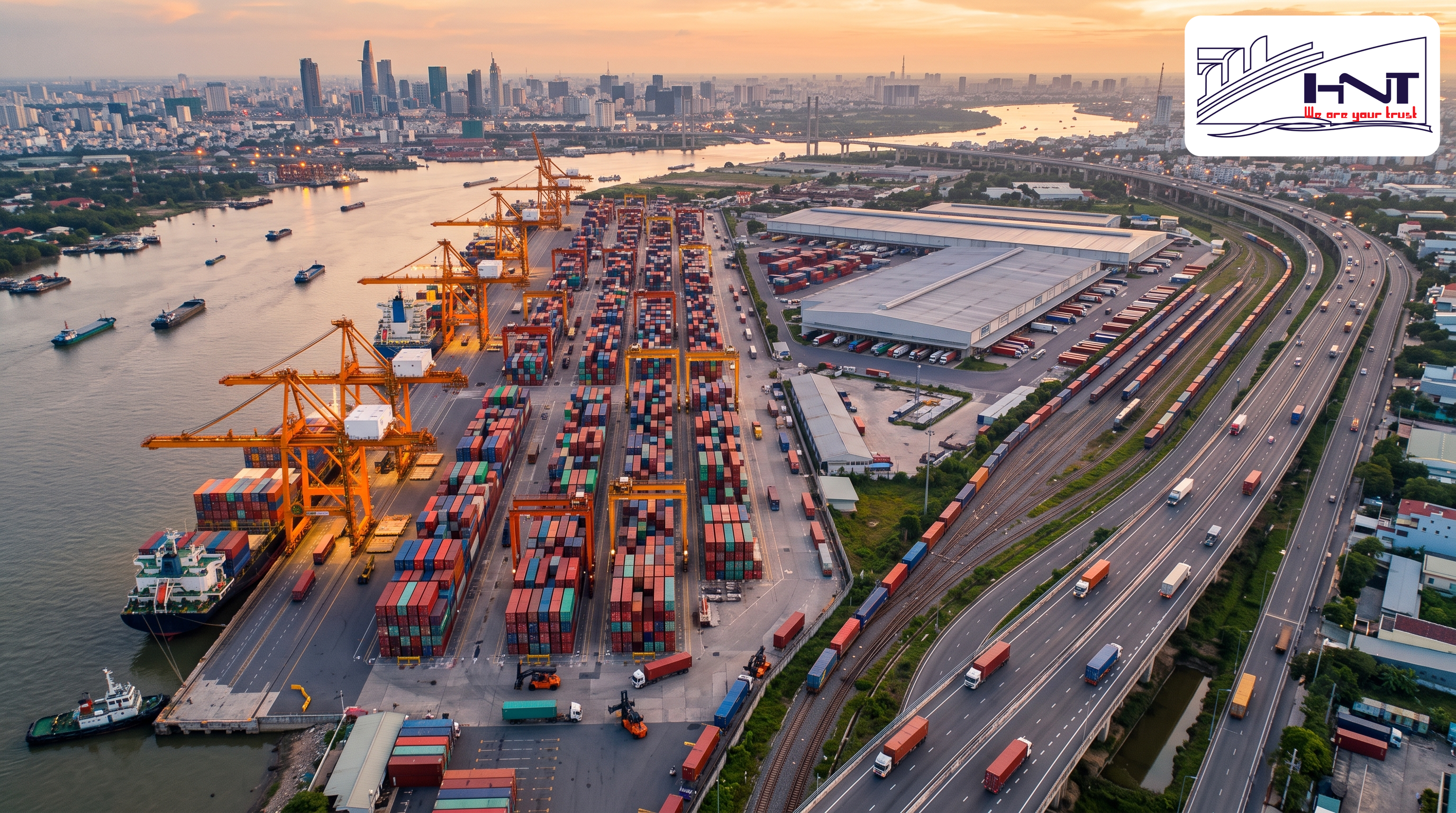
Export cargo flows put pressure on infrastructure.
Decision No. 2229/QD-TTg approves the Vietnam Logistics Services Development Strategy for 2026-2035. This document emphasizes synchronized infrastructure, regional connectivity, digital transformation, and green transition. It is an important policy signal.
- Rapid growth in fruit and vegetable exports drives demand for cold storage, standardized packaging, and short routes to China.
- Seafood requires stable vessel schedules to the United States, the EU, Japan, and Southeast Asia.
- Electronics require connections between seaports and industrial parks in Bac Ninh and Binh Duong.
- Cross-border e-commerce puts pressure on sorting warehouses and rapid delivery services.
- Weak regional connectivity increases container drayage costs beyond seaport capacity.
- Small businesses often lack the data needed to negotiate seasonal freight rates.
| Cargo flow | Main pressure | Logistics priority | Management recommendation |
|---|---|---|---|
| Fresh fruits and vegetables | Short transit time | Cold storage and quarantine | Confirm the stuffing schedule early |
| Frozen seafood | Strict temperature control | Refrigerated containers and port power supply | Continuous temperature monitoring |
| Rice, coffee | Humidity and vessel schedules | Packaging, fumigation, and documentation | Control certificate issuance dates |
| Industrial goods | Delivery commitments | Stable FCL and vessel schedules | Backup replacement voyage |
| E-commerce cargo | Processing speed | Sorting warehouse and air freight | Data automation |
Ocean freight, containers, and vessel schedule risks
The freight market in 2026 remains unstable. Freightos noted that peak-season demand and congestion at Asian hubs are increasing price pressure. Drewry previously recorded Shanghai–Los Angeles rates exceeding USD 4,500 per 40-foot container in June 2026. .
In the context of Vietnam logistics, for example, a cashew business in Binh Phuoc shipping to Hamburg switched from urgent shipping to booking three weeks in advance. Freight costs decreased by 9–13%, but the business had to increase safety stock at the bonded warehouse by an additional four days.
In the context of Vietnam logistics, another example is a textile company in Nam Dinh exporting to the United States using the Hai Phong to Long Beach route. By monitoring peak-season surcharges weekly, they avoided signing a fixed rate during the very week freight rates increased.
Key takeaway: the freight market does not reward those who wait for luck; it rewards businesses with early demand forecasting.
Vietnam Logistics for agricultural products, seafood, and fresh fruit
Vietnam logistics perspective: Cold chain cargo wins with temperature evidence, not with vague promises.
Vietnam logistics for agricultural products and seafood is a game of temperature, time, and certification. A high selling price cannot save a shipment with temperature deviations. Major buyers will examine preservation data before considering the exporter's promises.
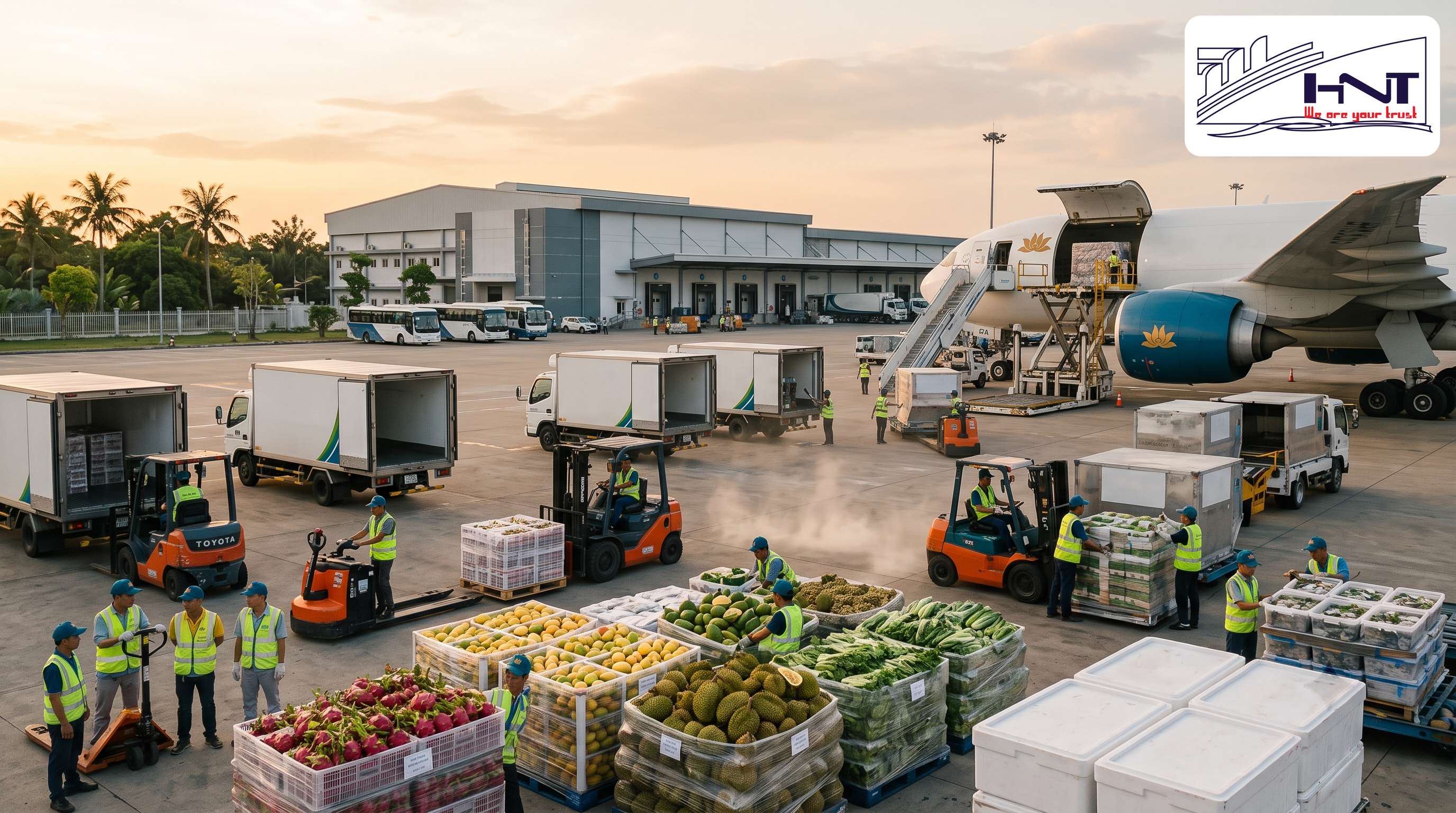
The cold chain determines profit margins
Cold chain logistics requires control from pre-cooling, loading, temperature settings, ventilation, to power supply at the yard. According to experts at HNT LOGISTICS, fruit shippers should check container pre-cooling before loading cargo, rather than only checking the seal number.
- Fresh fruit requires proper pre-cooling to avoid thermal shock during the first two hours.
- Frozen seafood requires a stable temperature range because ice recrystallization reduces quality.
- Refrigerated containers must have their alert history checked, not just their external appearance.
- Container doors should be opened as little as possible because each opening creates unnecessary temperature fluctuations.
- An independent thermometer helps verify temperatures when quality disputes arise at the destination port.
- CIF, FOB, or DDP terms must clearly assign responsibility for temperature-related risks.
| Group of goods | Reference temperature | Control point | Common risks |
|---|---|---|---|
| Mango | 10-13°C | Pre-cooling | Rapid ripening |
| Durian | 12-15°C | Ventilation | Gas and odor buildup |
| Frozen shrimp | -18°C or lower | Continuous power supply | Poor-quality refreezing |
| Pangasius | -18°C or lower | Temperature recording | Insurance claim |
| Dragon Fruit | 5-8°C | Humidity and packaging | Skin wilting |
Plant quarantine and growing area codes
China approved an additional 829 growing area codes and 131 packing facility codes for Vietnam's durian in 2026. This creates opportunities, but also increases the requirement to maintain the procedures registered with the importing side.
In the context of Vietnam logistics, for example, Mekong Fresh Company in Can Tho exports durian to Guangzhou. By integrating growing area code data with the packing schedule, they reduced 18 hours of waiting to correct quarantine documents before the port gate.
In the context of Vietnam logistics, for example, Bien Bac Ca Mau Company exports frozen shrimp to Rotterdam. By using independent temperature sensors in containers, they proved the cold chain remained uninterrupted and avoided a 3% price reduction from the buyer.
Conclusion: cold shipments must have supporting data. Without data, every explanation is weak.
Vietnam Logistics and modern customs clearance capability
Vietnam logistics perspective: Customs clearance is where trade data meets legal responsibility.
Vietnam logistics is only sustainable when customs clearance is fast and accurate. Businesses often invest heavily in sales, but treat documentation as administrative work. This is a costly mistake because customs is the legal risk gateway of the supply chain.
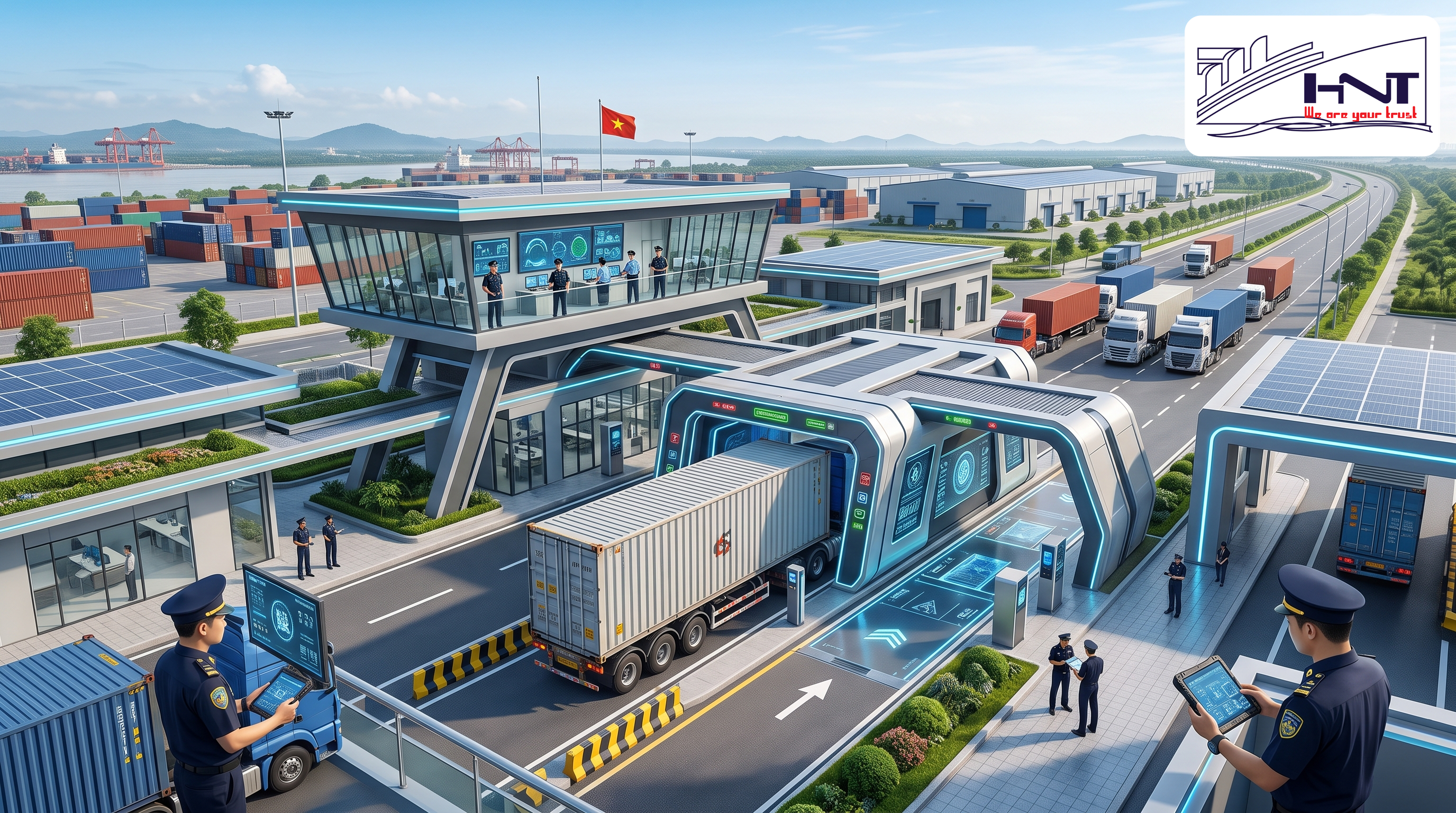
Documentation, declaration type codes, and declaration data
Export documentation must be consistent across the contract, commercial invoice, packing list, Bill of Lading, Certificate of Origin, and quarantine certificate. A small error can cause the bank, customs, or buyer to raise questions.
- The goods classification code (HS Code) must match the product description, composition, intended use, and technical documentation.
- The export declaration type code must match the nature of the transaction, not be selected out of habit.
- The declared value must match the agreed delivery terms and surcharges.
- The Certificate of Origin should be prepared early if the buyer requests tariff preferences.
- The quarantine certificate must match the product name, quantity, packing date, and destination.
- The Bill of Lading should be checked for the consignee's name, destination port, and transshipment terms.
| Documentation | Purpose | Common errors | Control method |
|---|---|---|---|
| Contract | Establish obligations | Wrong delivery terms | Verify international trade rules (Incoterms) |
| Commercial invoice | Value declaration | Wrong currency | Lock templates |
| Packing list | Check package count | Weight discrepancy | Weigh before packing |
| Bill of lading | Receive goods at destination | Incorrect consignee name | Approve bill of lading draft |
| Care of | Tax incentives | Incorrect origin criteria | Check standard consumption rates |
Compliance risks businesses often overlook
Based on HNT LOGISTICS' experience, exporting businesses should review documentation before booking vessel space, especially for goods requiring quarantine. The export customs brokerage page should be used as an operational reference point, not as a firefighting solution after errors occur.
In the context of Vietnam logistics, for example, Song Lam Wood Company in Nghe An exports plywood to the United States. By standardizing the goods classification code (HS Code) and origin certification, they reduced one request for additional documentation across three consecutive shipments.
In the context of Vietnam logistics, for example, An Phu Foods Company in Dong Thap exports pangasius to Spain. By reviewing the Bill of Lading draft on the vessel's departure day, they detected an incorrect discharge port and avoided amending the Bill of Lading after issuance.
Conclusion: good customs clearance is not about being fast at any cost. It is fast because the data is correct from the start.
Vietnam Logistics in route and cost competition
Vietnam logistics perspective: A quotation is only reliable when it shows all surcharges and delay scenarios.
Vietnam logistics currently has no shortage of providers. The problem is that many businesses buy services based on the first-line price. That purchasing approach is risky. A low quote may hide surcharges, long transshipment schedules, or short container free-time conditions.
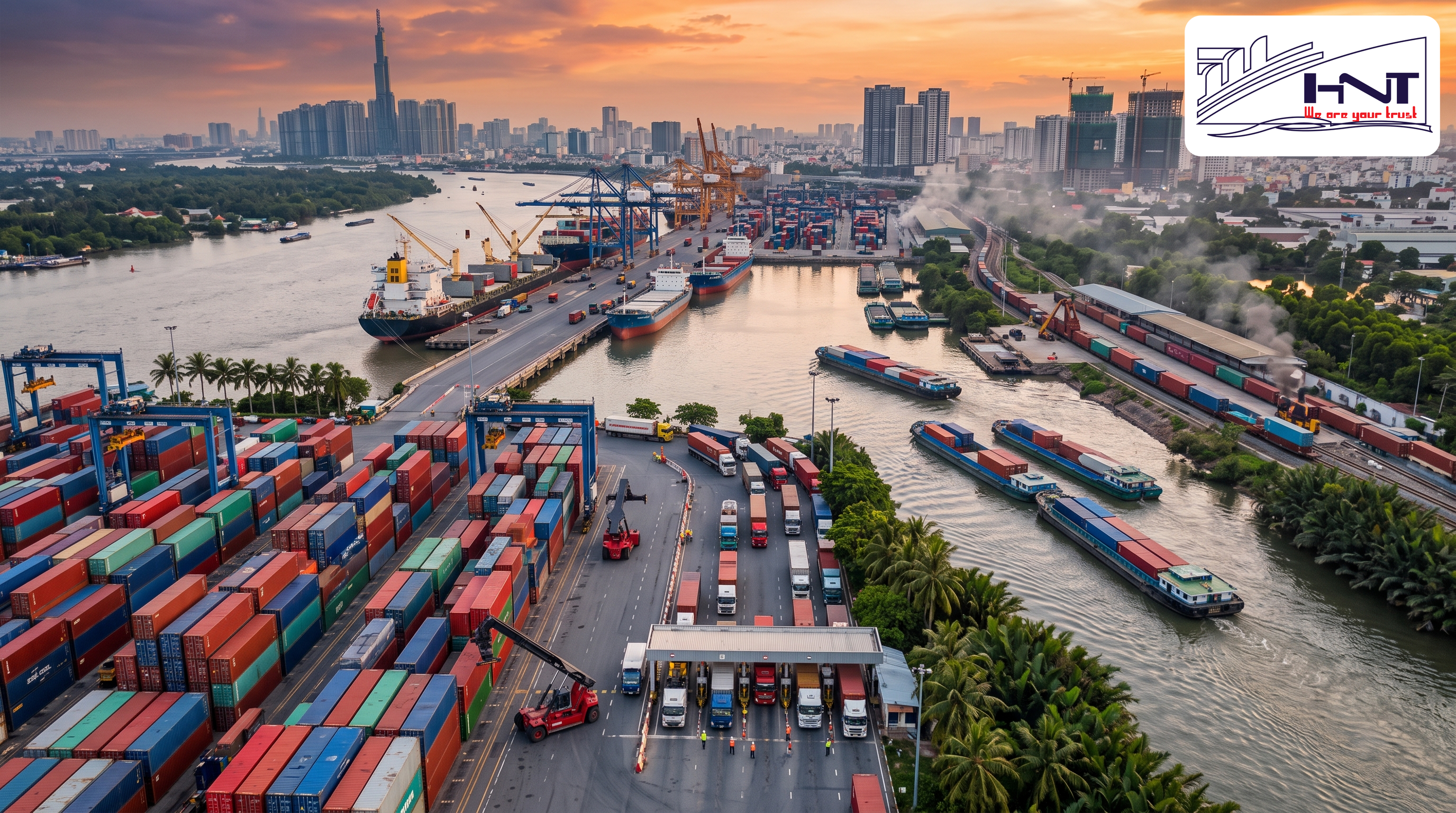
Compare sea, air, and multimodal transport
There is no universally best route. The best route is the one that matches the cargo value, delivery deadline, risk of damage, and cost tolerance. HNT LOGISTICS recommends that businesses create a comparison table of total landed costs, not just ocean freight rates.
- Low-value goods should prioritize stable routes and avoid paying extra to shorten transit time unnecessarily.
- Fresh goods with short seasonal windows should prioritize reliable schedules, even if freight rates are higher.
- Industrial goods with late delivery penalties should have an alternative route prepared before the cargo cutoff date.
- Samples or urgent shipments should consider air freight, but terminal surcharges must be included in the calculation.
- Less-than-container-load shipments should check consolidation, deconsolidation, and storage times at the transshipment port.
- FOB or CIF terms directly affect the right to choose the shipping line and insurance.
| Select | Slower (72h) | Advantages | Questions to ask |
|---|---|---|---|
| Full container load (FCL) by sea | Full container cargo | Low unit cost | Free detention |
| Less-than-container load (LCL) by sea | Small shipment | Flexible shipment volume | Cargo consolidation time |
| Air freight | Urgent cargo | Shorter transit time | Terminal surcharges |
| Multimodal transport | Routes far from ports | Optimize domestic transport | Responsibility for each transport leg |
| Refrigerated container | Temperature-sensitive cargo | Preserve quality | Power supply and sensors |
A smarter way to buy Vietnam logistics services
When looking for Vietnam logistics services, businesses should ask six questions: actual vessel schedules, surcharges, free storage time, contingency plans for missed sailings, documentation responsibilities, and the complaint handling process. Do not buy based on vague trust.
In the context of Vietnam logistics, for example, Cao Nguyen Beans Company in Dak Lak exports coffee to Antwerp. By choosing a route with one transshipment instead of two, they paid an additional USD 70 per container but reduced the risk of a seven-day delay.
In the context of Vietnam logistics, for example, Tan Viet Plastics Company in Dong Nai exports goods to Sydney. By negotiating Demurrage/Detention fees before the peak season, they avoided an additional USD 1,200 in charges caused by the buyer collecting the goods late.
Key takeaway: a good quotation must answer questions about risk, not just questions about price.
What opportunities does Vietnam Logistics open up for businesses?
Vietnam logistics perspective: the new advantage comes from operational data and the ability to make decisions quickly.
Vietnam logistics is creating opportunities for businesses that know how to upgrade their operations. The opportunity does not lie in waiting for new ports or new policies. It lies in the ability to turn data, standards, and logistics partners into a decision-making system.
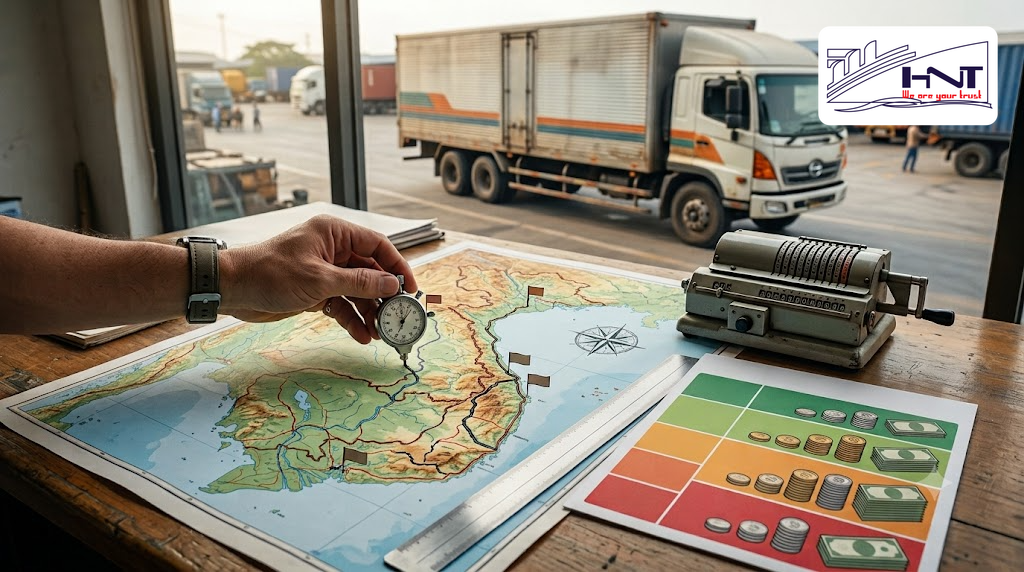
Operational innovation and green transformation
The national logistics strategy emphasizes digital transformation and green transformation. For businesses, this starts with simple data: cargo pickup time, customs clearance time, vessel rollover rate, container temperature, and CO2 emissions by route.
- Digitizing purchase orders helps the export team forecast container demand before the peak season.
- A freight dashboard helps leaders identify which routes are eroding profit margins.
- Temperature data helps protect businesses when buyers file quality complaints.
- CO2 metrics support negotiations with customers requiring sustainable development standards.
- Evaluating suppliers based on performance helps avoid dependence on the lowest quotations.
- Automated document verification helps reduce recurring errors in export documentation.
| Capabilities to build | Operational tools | Commercial benefits | Monitoring indicators |
|---|---|---|---|
| Container forecasting | Order planning | Better booking availability | Vessel rollover rate |
| Freight management | Route-based pricing | Control profit margins | Cost per shipment |
| Digital cold chain | Temperature sensors | Reduce complaints | Temperature deviation hours |
| Digital customs clearance | Standard document portfolio | Reduce processing time | Customs clearance time |
| Green transformation | Measure CO2 emissions | Meet the requirements of major customers | CO2 per ton of cargo |
Tactical conclusion for exporters
So, what is the logistics industry in the new era? It is the foundation for protecting export revenue. Businesses cannot only sell well. They must deliver well, demonstrate compliance well, and respond effectively when the market changes direction.
Vietnam logistics will continue to face freight rate fluctuations, infrastructure pressure, and stricter quarantine requirements. However, this is also an opportunity for Vietnamese businesses to upgrade their capabilities. Those who can measure risks will buy better services. Those who standardize data will clear customs faster.
- View logistics as a trade strategy, not simply an outsourced purchase.
- Check routes, surcharges, and free storage time before finalizing the quotation.
- Include quarantine, certificates of origin, and bills of lading in the same control schedule.
- For cold chain cargo, require temperature data instead of relying only on verbal commitments.
- Book earlier during peak season to reduce the risk of higher freight rates and cargo being rolled.
- Measure supplier performance by transit time, documentation errors, and additional costs.
- Prioritize partners who understand Vietnamese goods, Vietnam trade routes, and import market standards.
If you need to turn the Vietnam logistics challenge into a concrete operational plan, HNT LOGISTICS can support you as a freight forwarding and logistics partner for Vietnamese exporters nationwide. The best starting point is a risk map by route, product, and destination market. As a professional transportation provider, HNT LOGISTICS is committed to delivering comprehensive supply chain solutions, helping Vietnamese businesses confidently conquer global markets. Contact us today at 8A Hoang Minh Giam, Ho Chi Minh City or via the marketing email at hntshipping.com for quotation support!