


An imported container may have arrived at the port but the business may still be unable to move the cargo to the warehouse if the delivery order has expired, container information does not match, or port delivery procedures have not been completed. For exports, incorrect container numbers, seals, or yard lowering points can cause trucks to wait, change orders, and even affect cut-off times. Therefore, understanding correctly phiếu EIR là gì, which stage uses D/O and how to verify documents before dispatching trucks are practical operational requirements, not merely paperwork procedures.
Khi tìm hiểu về phiếu EIR là gì, trong khai thác container FCL, D/O, EIR, B/L, booking, tờ khai hải quan và dữ liệu giao nhận của cảng tạo thành một chuỗi thông tin liên tục. Một mắt xích sai có thể chuyển thành chi phí lưu bãi, lưu container, chờ xe hoặc sửa chữa thiết bị. Doanh nghiệp vì vậy nên kiểm tra song song chứng từ, tình trạng hải quan và kế hoạch vận tải thay vì đợi container sẵn sàng mới bắt đầu xử lý.
What Is an EIR Slip? Decoding the Container Handover Confirmation Document in Import and Export
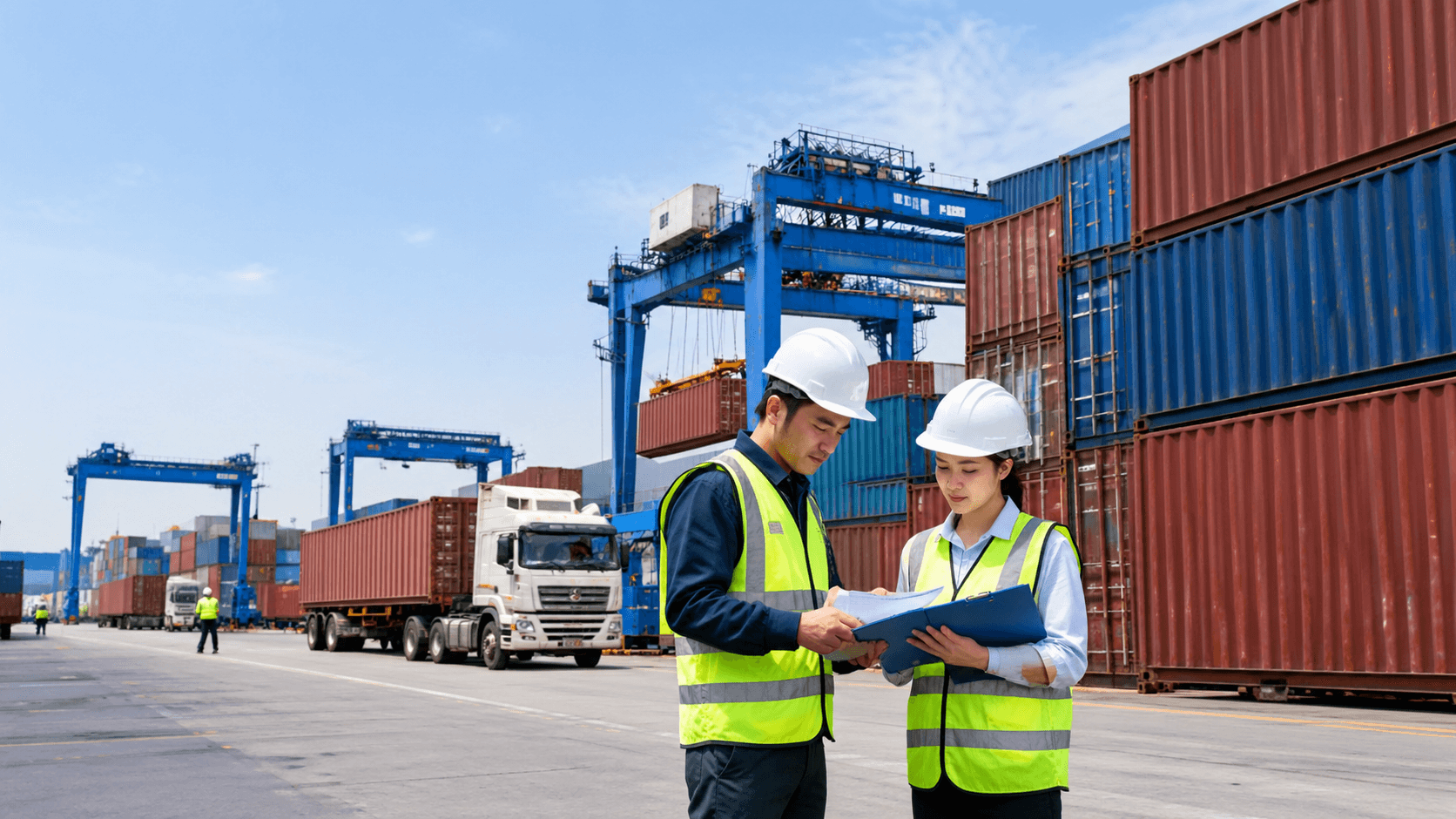
The concept of an EIR slip (Equipment Interchange Receipt) and its role in confirming container equipment condition
Đối với giải pháp phiếu EIR là gì, EIR là viết tắt của Equipment Interchange Receipt, có thể hiểu là chứng từ hoặc dữ liệu giao nhận thiết bị ghi nhận việc một container được bàn giao giữa các bên tại một thời điểm xác định. Tùy hệ thống khai thác cảng, depot và hãng tàu, EIR có thể tồn tại dưới dạng giấy hoặc điện tử. Cảng Hải Phòng hiện có chức năng tra cứu EIR trên Smart Gate, trong khi hệ thống ePort của Tân Cảng Sài Gòn cũng cho phép tra cứu thông tin EIR giao nhận container.
Trong quá trình vận chuyển và thông quan phiếu EIR là gì, giá trị vận hành quan trọng của EIR nằm ở khả năng tạo dấu vết bàn giao. Khi container chuyển từ bãi lên xe đầu kéo, từ khách hàng về depot hoặc qua một điểm giao nhận khác, thông tin EIR giúp xác định container nào được giao, thời gian nào và tình trạng thiết bị được ghi nhận ra sao. Đây là dữ liệu quan trọng khi phát sinh tranh luận về móp vỏ, thủng, hư cửa hoặc các tổn thất thiết bị.
What is an EIR slip in the process of receiving import containers and lowering export containers at the port
Để tối ưu chi phí và tiến độ phiếu EIR là gì, đối với hàng nhập FCL, EIR thường gắn với công đoạn cảng giao nguyên container cho phương tiện sau khi các điều kiện giao nhận đã được đáp ứng. Doanh nghiệp không nên hiểu EIR là chứng từ thay thế D/O hay chứng từ thông quan. D/O establishes the right to receive cargo according to the delivery order, while EIR focuses on the container equipment handover event at the site.
Theo kinh nghiệm vận hành thực tế của HNT Logistics về phiếu EIR là gì, với hàng xuất, quá trình hạ container hàng vào cảng cũng tạo dữ liệu giao nhận tương ứng theo hệ thống của từng terminal. Cảng Hải Phòng công bố ePort hỗ trợ các tác nghiệp giao hàng nhập, hạ rỗng, giao rỗng và hạ hàng xuất. Vì vậy, tên gọi màn hình, lệnh điện tử hoặc cách xuất EIR có thể khác nhau giữa terminal; doanh nghiệp cần tuân theo quy trình đang áp dụng tại cảng thực tế.
Important information on an EIR slip: container number, seal number, equipment condition, handover time and responsible party
Khi tìm hiểu về phiếu EIR là gì, khi nhận EIR, thông tin đầu tiên cần kiểm tra là container number. The standard container code usually includes the owner/operator code, equipment identifier and identification number sequence. Just one incorrect character can make handover data inconsistent with the B/L, booking or customs records. For cargo containers, the seal number also needs to be checked against documents and the actual sealing condition when required by the operation.
Đối với giải pháp phiếu EIR là gì, tiếp theo là loại và kích cỡ container, thời gian vào hoặc ra cổng, vị trí giao nhận, tình trạng vỏ và các ghi chú bất thường. Với container lạnh, ngoài EIR, doanh nghiệp còn phải kiểm soát riêng nhiệt độ cài đặt, thông gió, nguồn điện và yêu cầu PTI nếu có. EIR không nên được xem là hồ sơ duy nhất chứng minh toàn bộ trạng thái kỹ thuật của máy lạnh.
| Information to check | Control purpose | Risks if incorrect |
|---|---|---|
| Container number | Correct equipment identification | Receiving/lowering the wrong container, requiring data correction |
| Seal number | Cargo seal control | Incorrect records, difficulty verifying seal condition |
| Type of Container | Booking and vehicle verification | Incorrect truck plan, wrong equipment |
| Container condition | Ghi nhận móp, thủng, trầy, hư cửa | Tranh chấp chi phí sửa chữa |
| Medium, reasonable | Xác định mốc bàn giao | Khó đối chiếu trách nhiệm |
| Điểm giao nhận | Xác nhận cảng/depot | Điều xe sai địa điểm |
Vì sao phiếu EIR ảnh hưởng trực tiếp đến việc kiểm soát chi phí, tranh chấp hư hỏng và an toàn hàng hóa
Trong quá trình vận chuyển và thông quan phiếu EIR là gì, một vết móp lớn đã tồn tại khi nhận container nhưng không được ghi nhận hoặc bổ sung bằng hình ảnh có thể trở thành vấn đề khi trả rỗng. Khi đó, doanh nghiệp phải chứng minh hư hỏng xuất hiện trước hay sau thời điểm mình tiếp nhận thiết bị. Vì vậy, EIR nên được quản lý cùng ảnh chụp hiện trường, video nếu cần, biên bản bất thường và dữ liệu của tài xế.
Để tối ưu chi phí và tiến độ phiếu EIR là gì, về chi phí, EIR còn hỗ trợ xác định mốc giao nhận để đối chiếu quá trình sử dụng container. Tuy nhiên, thời gian miễn phí và cách tính detention, demurrage hoặc storage phụ thuộc điều kiện của hãng tàu, terminal và từng lô hàng. Không nên suy luận số ngày miễn phí chỉ từ EIR mà phải kiểm tra trực tiếp điều khoản áp dụng cho booking hoặc B/L.
Lệnh Giao Hàng D/O Là Gì? Mối Liên Hệ Giữa Lệnh Giao Hàng Và Phiếu EIR Trong Quy Trình Lấy Container
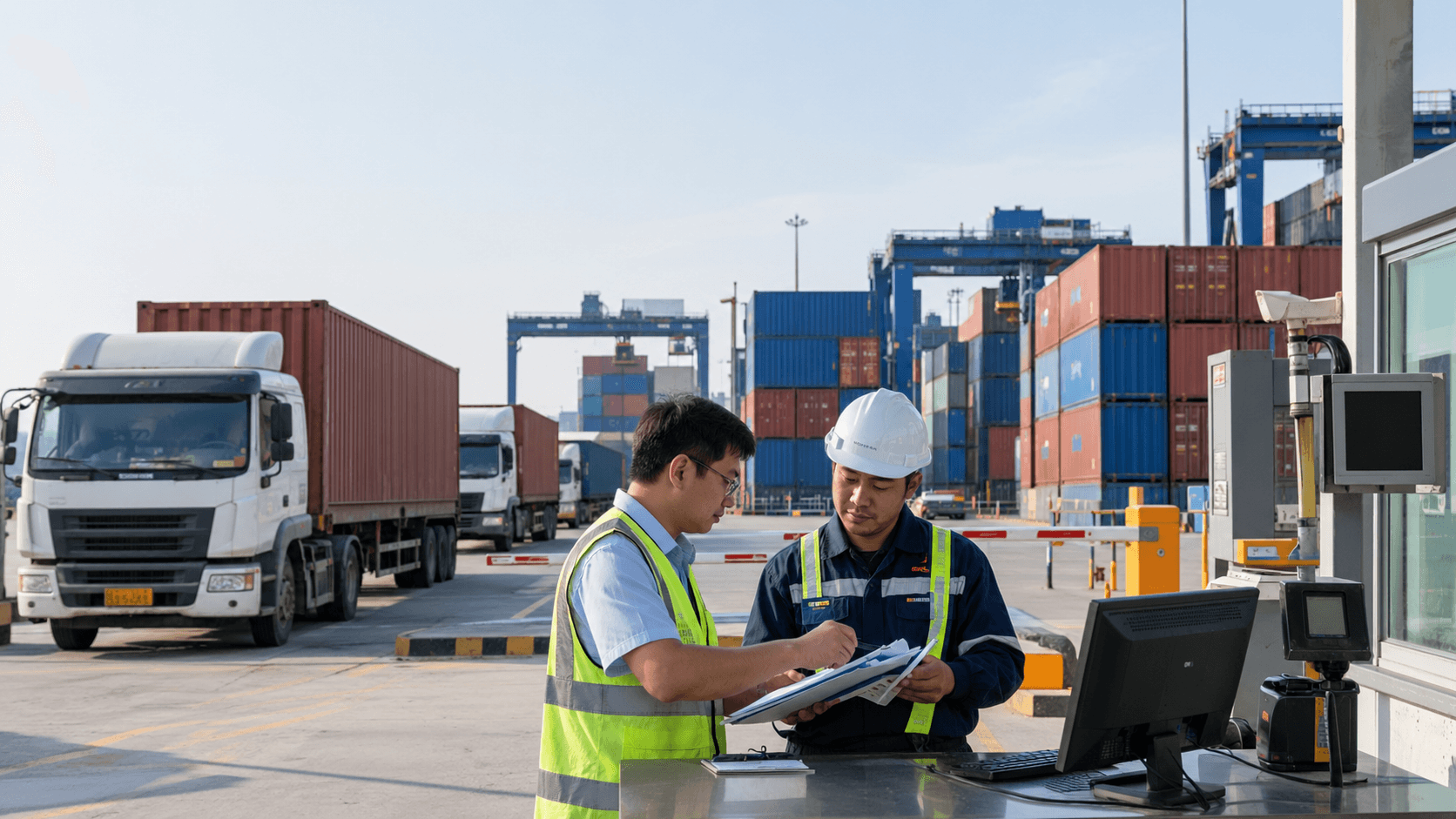
D/O là gì trong xuất nhập khẩu và điều kiện để doanh nghiệp được cấp lệnh giao hàng từ hãng tàu
Theo kinh nghiệm vận hành thực tế của HNT Logistics về phiếu EIR là gì, nếu cần xác định D/O là gì trong xuất nhập khẩu, D/O là viết tắt của Delivery Order, tức lệnh giao hàng do hãng tàu hoặc đại lý có thẩm quyền phát hành để cho phép bên nhận thực hiện thủ tục nhận hàng theo điều kiện của lô hàng. Đây cũng là lý do thuật ngữ lệnh giao hàng do thường xuất hiện trong quy trình nhập khẩu đường biển.
Khi tìm hiểu về phiếu EIR là gì, điều kiện cấp D/O không hoàn toàn giống nhau giữa các hãng tàu. Thông thường doanh nghiệp phải hoàn thành các yêu cầu chứng từ liên quan đến B/L hoặc telex release/seaway bill tùy trường hợp, thanh toán các khoản phí đến hạn và đáp ứng quy định nhận hàng của carrier. Doanh nghiệp cần kiểm tra trực tiếp hướng dẫn của hãng tàu vì quy trình eDO, giấy ủy quyền và thời hạn hiệu lực có thể thay đổi.
Quy trình nhận lệnh giao hàng D/O từ hãng tàu, đại lý vận tải và đơn vị logistics
Quy trình thực tế nên bắt đầu trước ETA. Nhân sự chứng từ đối chiếu consignee, B/L, manifest, ETA và thông báo hàng đến; sau đó xác nhận hình thức giải phóng vận đơn, hoàn tất phí và nhận D/O hoặc eDO. Nếu sử dụng forwarder, cần xác định rõ đơn vị nào phát hành house D/O và dữ liệu nào tiếp tục được truyền tới hãng tàu hoặc terminal.
Đây cũng là lúc doanh nghiệp nên hoàn thiện customs declaration thay vì chờ D/O xong mới xử lý hồ sơ. Việc phối hợp hai luồng công việc giúp container có thể được điều xe ngay khi đồng thời đạt điều kiện hải quan, hãng tàu và cảng. HNT Logistics áp dụng cách kiểm tra song song này cho các lô cần phối hợp chứng từ và vận tải FCL.
Trình tự kết hợp D/O, phiếu EIR và thủ tục tại cảng để nhận container nhập khẩu
Về logic nghiệp vụ, trình tự có thể hình dung là: hàng đến cảng, doanh nghiệp hoàn thiện điều kiện nhận D/O/eDO, xử lý thủ tục hải quan và các kiểm tra chuyên ngành nếu thuộc diện quản lý, đăng ký giao nhận với cảng, thanh toán các khoản dịch vụ liên quan, điều phương tiện vào nhận container và hoàn thành giao nhận thiết bị. Tại Cảng Hải Phòng, ePort công bố quy trình đăng ký lệnh giao nhận, tính tiền, thanh toán và phát hành lệnh giao nhận điện tử.
Cần phân biệt rõ lệnh giao hàng là gì với EIR. D/O là cơ sở cho phép tiến hành nhận hàng theo chỉ định của bên phát hành; EIR ghi nhận việc giao nhận container trong quá trình khai thác thiết bị. Có D/O chưa đồng nghĩa xe có thể lập tức lấy container nếu tờ khai, phí cảng, đăng ký ePort, kiểm hóa hoặc điều kiện chuyên ngành vẫn chưa hoàn tất.
Những sai sót chứng từ thường gặp khiến doanh nghiệp chậm lấy container và phát sinh chi phí lưu bãi
Sai số container, sai B/L, D/O hết hạn, chưa hoàn tất phí hãng tàu, thông tin consignee không thống nhất hoặc dữ liệu hải quan chưa đủ điều kiện qua khu vực giám sát đều có thể làm kế hoạch lấy hàng bị đình trệ. Với lô phải kiểm dịch, kiểm tra chất lượng hoặc kiểm tra an toàn thực phẩm, thời gian xử lý chuyên ngành cũng phải được đưa vào kế hoạch kéo hàng.
Doanh nghiệp nên kiểm tra quy định tổng cục hải quan và văn bản pháp luật hiện hành theo chính sách mặt hàng thay vì sử dụng checklist cũ cho mọi lô nhập khẩu. Cơ quan Hải quan hiện duy trì hệ thống dịch vụ công và danh mục thủ tục liên quan đến hàng xuất nhập khẩu; quy trình thực tế còn phụ thuộc loại hình tờ khai và chính sách quản lý chuyên ngành.
Accurate Procedure for Obtaining an EIR from Container Port to Completion of Equipment Handover
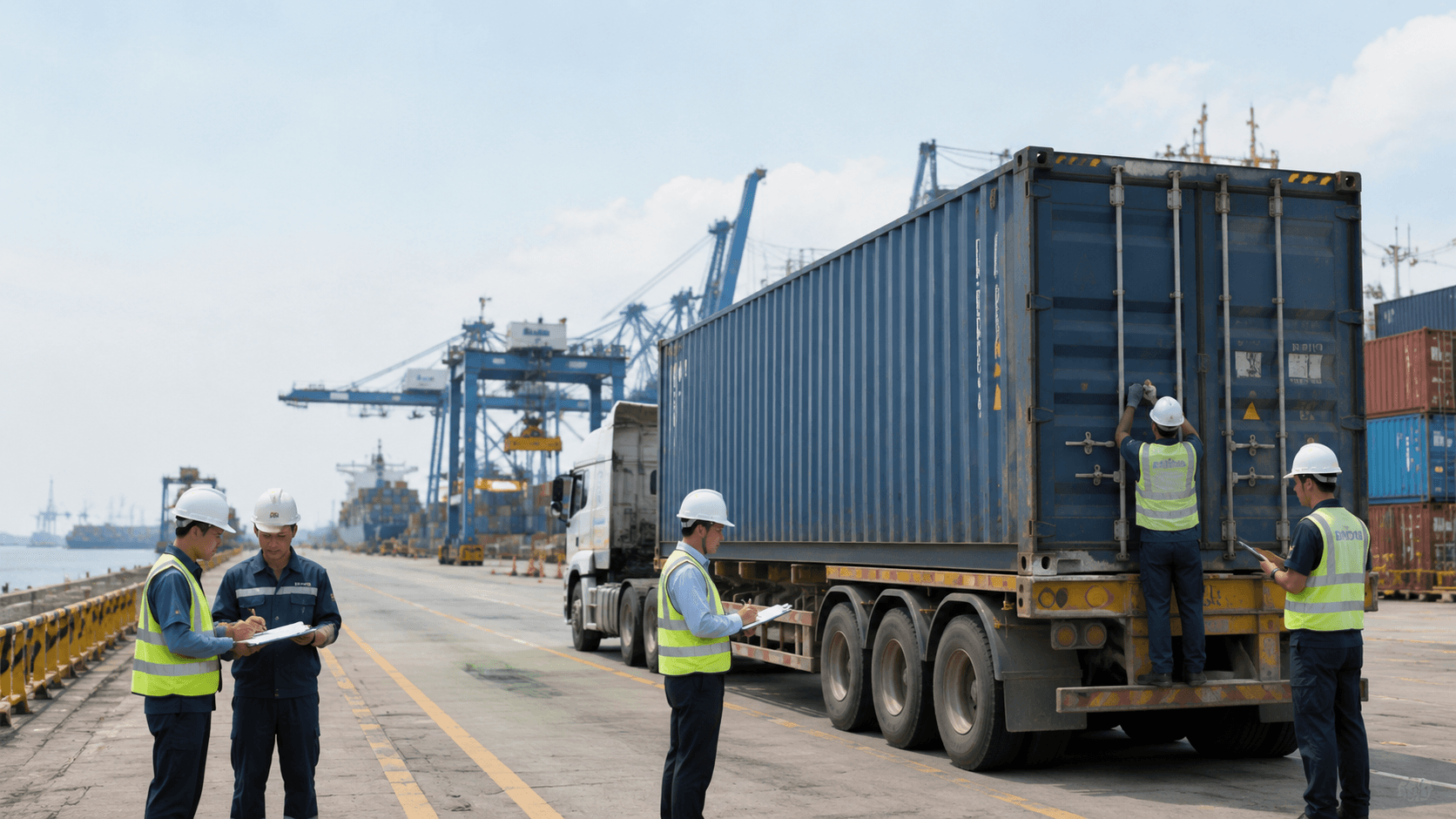
Step 1: Check booking information, D/O, container number and container pickup schedule at the port
Before issuing a trucking dispatch order, the coordinator must create a final checkpoint between the documentation and transportation departments. For imports, at minimum, it is necessary to confirm that the D/O/eDO is still valid, the container number is accurate, the container is eligible for delivery, the customs status is appropriate, the pickup location and empty return depot if already designated. For exports, it is necessary to check the booking, empty container pickup location, cargo drop-off location and cut-off.
Especially at large port clusters, the commercial name of the port is not sufficient for truck dispatching. The coordinator needs to accurately confirm the terminal, delivery and receipt area, and electronic registration requirements. The Saigon Newport system allows EIR lookup by delivery and receipt area, container number, Bill/Booking and EIR number; this is useful data when reconciling handover records at Cat Lai.
Step 2: Complete procedures at the container delivery and receipt area and receive an electronic EIR or paper copy
The operational method depends on the port. Many terminals have significantly digitized their processes. At Tan Vu, Hai Phong Port announced ePort, allowing shippers or authorized persons with valid eDO/eBooking or appropriate documents to register delivery and receipt and make online payments. Hai Phong Port's Smart Gate also has a function to look up eEIR by EIR number, container number and related information.
Therefore, businesses should not assume they must go to a counter to obtain a paper EIR. With eEIR, the control value lies in the handover data on the system and the ability to trace after operations. Field staff need to save the electronic copy or lookup code according to internal procedures so the documentation department can reconcile when disputes arise.
Step 3: Check the actual container condition before removing it from the port
Before the truck leaves the delivery and receipt area, the driver or field staff should observe all sides of the container within the permitted safety scope. Notable signs include deep dents, wall punctures, torn roofs, frame deformation, doors that do not close tightly, abnormal locking handles or seals showing signs of inconsistency. If abnormalities are detected, they must be reported immediately according to terminal procedures instead of taking the container out and reporting later.
For reefers, 20RF or 40RH/40HC reefer containers have different structures and payload capacities depending on the manufacturer; operating temperature also depends on the equipment and cargo type. Many commercial refrigerated containers can operate below 0°C, but the set point must follow cargo requirements and booking, do not apply a common temperature range for fruits, seafood, pharmaceuticals or frozen food.
Step 4: Compare EIR with handover records and transport the container to the warehouse or factory
After completing the handover, the coordinator should compare the EIR with the trucking order and shipment records before closing the operation in the internal system. Gate-out time, container number, driver, tractor, trailer and delivery point should be stored as a continuous data chain. When the truck arrives at the warehouse, the seal and container condition should be checked again before opening the cargo.
For businesses with large FCL volumes, standardizing this data helps evaluate truck turnaround time, port waiting time and occurrence rates by route. When HNT Logistics is implemented, container trucking from Hai Phong port, document data and truck schedules need to be locked before the vehicle enters the terminal to minimize non-value-added waiting time.
What Is an EIR Form in Cost Management? Related Fees When Receiving and Returning Containers
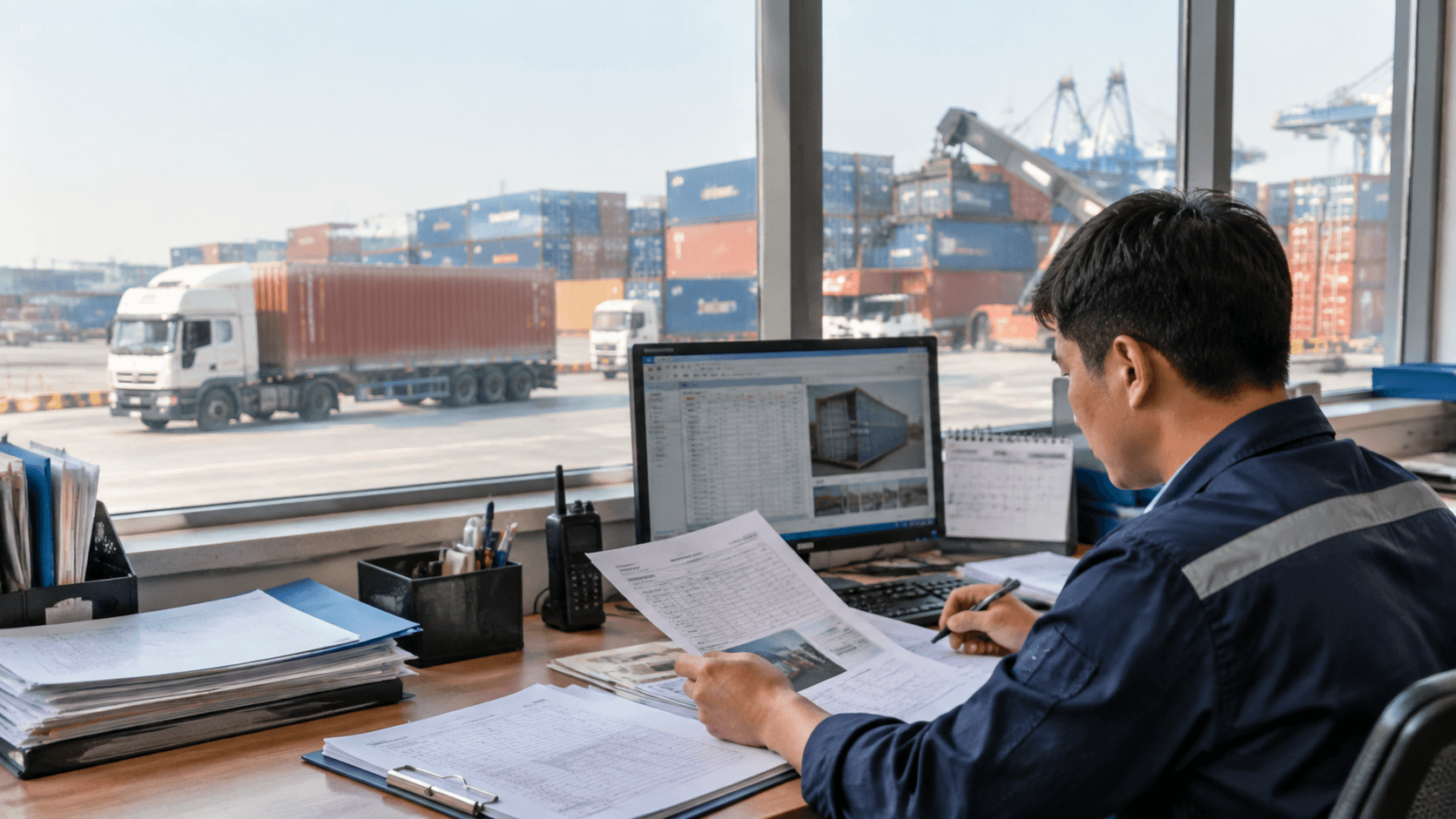
What is container cleaning fee and how to determine payment responsibility between delivery and receipt parties
Free sanitary container is the cost related to cleaning equipment after use according to specific policies and container conditions. It should not be assumed that every container has the same fee level or that the consignee is always the final party responsible for payment. It is necessary to check tariffs, notices from the shipping line/depot, transport contracts and the cause of the cleaning requirement.
If a container has oil, chemicals, odors, mud or cargo residue, the cleaning method may differ from a container that only requires normal sweeping. In case of disputes, photos before receiving, EIR, photos when returning and depot records are important data for determining equipment condition at each point in time.
Common fees incurred when picking up containers: handling fees, demurrage, storage and equipment repair
Container pickup costs should not be grouped into one general line item. Businesses need to distinguish terminal service fees such as handling and storage from charges applied by shipping lines related to container usage time, along with repair or cleaning costs if incurred. The terms demurrage, detention and storage also need to be checked against specific tariffs because the charging scope may differ by carrier and market.
| Cost group | Common causes | Control measure |
|---|---|---|
| Loading/unloading | Container operations at terminal/depot | Check the correct tariff for the port and container type |
| Storage fees | Container remains at terminal beyond the applicable period | Complete documents before ETA, pick up cargo early |
| Demurrage/Detention | Exceeding free time according to shipping line conditions | Check free time and the calculation start date |
| Clean and dry the refrigerated | Equipment needs cleaning when returned | Check condition before receiving and before returning |
| Repair | Dented, punctured, damaged container doors or parts | Save EIR, photos and report abnormalities promptly |
| Vehicle waiting | Port congestion, documents not ready, warehouse not receiving | Synchronize D/O, customs, port and warehouse schedules |
How to check container condition on an EIR to reduce unnecessary repair costs
Do not simply look at the condition description line on the EIR and conclude that the container is completely good. Drivers need to take photos of all safely observable sides, especially areas showing signs of dents, punctures, severe rust or damaged doors. Photos should show the container number and the time context of equipment receipt to improve verification capability.
When there is a discrepancy between the actual condition and the EIR, handling must be requested at the delivery point according to the port or depot process. Taking the container away without authorization and only reporting damage several hours later weakens the ability to prove the time the damage occurred. For high-value equipment such as reefers, additional checks of the machinery, power cables and specific components are needed when the scope of responsibility requires it.
Solution for coordinating D/O, EIR and tractor truck dispatching to shorten container operation time
A good trucking schedule must be built from document status, not only from the number of available tractors. HNT Logistics usually checks four statuses before dispatching vehicles: goods eligible for customs clearance, valid D/O/eDO, terminal permission for pickup and delivery registration, and warehouse receiving capability. Only when these four conditions are synchronized can vehicle waiting time be effectively controlled.
For container trucking from Hai Phong port, the same principle applies, but the terminal must be updated accurately such as Tan Vu, Dinh Vu area or Lach Huyen according to the actual shipment. Do not dispatch vehicles based on the general phrase “Hai Phong Port”, because distances, gate procedures and operating units may differ, directly affecting truck turnaround.
Comparison Table of EIR, Delivery Order D/O and Important Documents in Container Handling
Table distinguishing the functions of EIR, D/O, Bill of Lading B/L and container delivery confirmation form
To avoid using the wrong documents, businesses should classify them by function rather than name. B/L relates to the carriage contract and proof of receipt for shipment together with corresponding legal functions depending on the type of bill of lading; D/O serves as the delivery order; EIR records equipment handover. Internal handover forms or records serve to confirm between transport units and warehouses/cargo owners.
| Documentation | Main function | Typical usage time |
|---|---|---|
| EIR | Records container handover and condition | When the container is delivered/received at the terminal or depot |
| D/O | Order allowing cargo receipt according to designation | Before import cargo receipt procedures |
| B/L | Sea transport document with functions depending on the type of bill of lading | From receiving transported cargo through the delivery process |
| Booking | Export transport confirmation/booking | Before empty pickup, loading and export cargo drop-off |
| Delivery minutes | Confirms handover between operational parties | When the vehicle delivers the container/cargo at the warehouse or receiving point |
Document process table from vessel arrival at port until the container is hauled back to the warehouse
The process below describes the common control flow for imported FCL cargo. The detailed sequence may run in parallel and vary depending on the shipping line, terminal, cargo type or customs channeling results. Businesses should consider this as a control framework for establishing SOPs, not the only legal procedure for every shipment.
| Phase | Key documents/data | Control point |
|---|---|---|
| Before ETA | B/L, Arrival Notice | Check consignee, ETA, cargo policies |
| Receive goods | D/O/eDO | Delivery order validity and carrier charges |
| Customs | Customs declaration and specialized documentation | Customs clearance/supervision status |
| Port registration | ePort/delivery order | Correct container, correct terminal |
| Arrange trucking | Transport order | Tractor, trailer, driver, warehouse schedule |
| Gate-out | EIR/eEIR | Container number, seal, equipment condition |
| Warehouse delivery | Delivery minutes | Seal, delivery time and cargo condition |
Table of factors affecting container receiving costs: pickup time, container type, port and equipment condition
There is no single “container pickup price” that applies uniformly to every shipment. The same 40-foot container may have different costs due to terminal, pickup time, storage duration, hauling distance, cargo type and empty return requirements. Reefer containers also include additional factors such as refrigeration power, PTI and machine operation; dangerous goods may be subject to separate procedures and surcharges according to port policies.
| Elements | Cost impact | Cost estimation |
|---|---|---|
| Pickup time | Impact of storage/demurrage/detention | Lock the plan based on ETA and free time |
| 20GP/40GP/40HC | Different tariffs and transport options | Confirm equipment before quotation |
| Reefer | Electricity, PTI and technical requirements may arise | Finalize set point and services before operation |
| Port/terminal | Different tariffs, gates and distances | Identify the correct terminal |
| Container condition | Risk of cleaning/repair | Save EIR and delivery photos |
Quick checklist of information to confirm before dispatching tractor trucks to pick up containers at Cat Lai Port and Hai Phong Port
Cat Lai and the Hai Phong cluster both have a high level of digitized delivery processes, but the specific procedures are not the same. Saigon Newport maintains the ePort system and EIR lookup; Hai Phong Port deploys ePort and Smart Gate at Tan Vu. Dispatchers need to update the terminal's latest operating notices before each peak period or when there are changes to gates, lanes, and receiving policies.
| Checkpoint | Cat Lai | Hai Phong cluster |
|---|---|---|
| Exact terminal | Confirm Tan Cang – Cat Lai area | Confirm Tan Vu/Dinh Vu/Lach Huyen or specific terminal |
| D/O/eDO | Check validity | Check validity |
| Customs | Eligible to pass supervision | Eligible to pass supervision |
| Port registration | Check current ePort/process | Check ePort/Smart Gate according to terminal |
| Refrigerated Container | Container number, container type, status | Container number, container type, status |
| Vehicle | Tractor, trailer, driver | Tractor, trailer, driver |
| Receiving warehouse | Receiving time and cargo unloading capacity | Receiving time and cargo unloading capacity |
| Empty return | Depot and return deadline | Depot and return deadline |
What Is an EIR Slip from the Perspective of Container Risk Control and Logistics Operation Optimization
The role of EIR in proving the handover time and responsibilities between cargo owners, ports, and shipping lines
From a risk management perspective, the question phiếu EIR là gì needs to be answered through operational evidence functions: EIR records an equipment handover event at a specific time. When combined with site photos, vehicle GPS, delivery records, and gate data, businesses can relatively clearly reconstruct the container custody chain if a claim arises.
However, EIR does not automatically determine which party must bear all damage costs. Responsibility also depends on the transport contract, equipment usage conditions, evidence of container condition, and conclusions of relevant parties. Businesses should refer to documents from regulatory authorities, terminal guidelines and Vietnam Maritime Administration for contents within the scope of maritime transport and seaport management.
How to handle when an EIR slip has incorrect information or a damaged or dented container is detected
If the EIR has incorrect container number, equipment type, seal, or delivery information, the first principle is not to manually edit the document and continue transportation. Field personnel need to contact the terminal/depot delivery department to verify and adjust the system according to authority. Important communications should have electronic records or minutes for later reconciliation.
If the container is damaged, the driver needs to take overall and close-up photos, ensuring the container number can be identified, then report to the dispatcher and equipment delivery unit. If the damage affects transport safety such as a severely deformed frame, a door that cannot be locked, or a problem with reefer equipment, the vehicle should not leave the delivery point before an appropriate handling plan is available.
Combining EIR management with FCL container transport, tractor trucks, and customs declarations to optimize the supply chain
EIR only delivers management value when connected with the data before and after it. Before gate-out are B/L, D/O, declarations, port orders, and dispatching; after gate-out are GPS, warehouse delivery, unloading, empty return, and depot confirmation. When data is connected into a chain, businesses can measure dwell time, vehicle turnaround time, and causes of incurred costs.
For businesses that both export and import, an effective SOP should establish a common control point for D/O, EIR and customs declaration with the operations department. This reduces the situation where documents report “completed” but the container is not yet eligible for pickup, or the truck has arrived at the port while the order has not been updated. For refrigerated cargo, the SOP must also include set point, ventilation, power supply and delivery schedule.
HNT Logistics accompanies businesses in controlling the container receiving and delivery process, reducing arising costs and ensuring import-export cargo schedules.
HNT Logistics implements services in the direction of connecting documents with real-world operations: sea and road FCL container transportation, tractor truck coordination, multimodal transport, North-South refrigerated cargo, customs declaration, C/O, plant quarantine and international transit transportation. The goal is to control shipments before ETA or cut-off instead of handling each arising issue separately when the truck has already entered the port.
For shipments at Cat Lai or the Hai Phong port cluster, businesses should send B/L or booking information, container type, ETA/ETD, pickup – delivery points, customs status and special requirements in advance. HNT Logistics can review the D/O – port – EIR – tractor truck chain to identify points at risk of causing truck waiting, storage fees or exceeding free time.
Effective container control does not begin at the port gate. It begins with synchronizing documents, order validity periods, customs status, truck plans and warehouse receiving capacity before the vehicle is dispatched.
If businesses need to check the process of obtaining D/O, EIR, arranging container trucks or building FCL transportation plans at Cat Lai and Hai Phong, contact HNT Logistics để được rà soát lô hàng và báo giá theo tuyến thực tế.